Body transformations are having a cultural moment. Social feeds are saturated with dramatic “before and after” photos—like those featured in the recent viral piece, “26 Inspiring Body Transformations, As Shared By Determined People In This Online Group.” While the focus of that article is fitness, weight loss, and self‑image, the underlying theme is universal: people are hungry for tangible, visible change—and they are willing to work for it.
For many adults, especially those quietly navigating tooth loss, dentures are their own form of “before and after.” Yet unlike gym selfies, denture transformations rarely go viral. They’re intimate, often private, and deeply emotional. In a world obsessed with visible results, denture wearers deserve a more elevated conversation—one that treats their smile not as a compromise, but as a curated, luxurious transformation in its own right.
Below are five exclusive, refinement‑focused insights for denture wearers who see their oral health as part of a larger personal evolution—not a footnote.
1. Think “Smile Architecture,” Not Just Replacement Teeth
The online transformation community spotlighted in the viral article reminds us that meaningful change is rarely one‑dimensional. It’s not just about a number on the scale; it’s about posture, confidence, clothing, energy. Dentures, likewise, are not merely substitutes for missing teeth—they are structural elements in your facial “architecture.”
A sophisticated denture plan considers vertical dimension (the height between your upper and lower jaws), lip support, and even how your cheeks are subtly lifted when you speak or smile. An artfully designed set can soften deep folds around the mouth, restore facial symmetry, and prevent the slightly “collapsed” look that many fear. Work with a prosthodontist or high‑end denture clinic that uses facial photography and, ideally, digital smile design to harmonize your dentures with your natural proportions. This is the difference between “teeth that fit” and a smile that feels like it truly belongs to your face.
2. Treat Adjustments Like Tailoring, Not Repairs
The transformation stories circulating online highlight something vital: no one achieves their “after” in a single attempt. There are plateaus, adjustments, refinements. Apply the same mindset to your dentures. Too many wearers accept small irritations—pressure along the gum, subtle clicking when speaking, food trapping at the edges—as if they’re inevitable. They are not. They’re tailoring issues.
Schedule follow‑up visits the way you would fittings for a bespoke suit. Ask your clinician to evaluate not only how the dentures sit at rest, but how they perform under real‑world conditions: during conversation, laughter, and chewing in different zones of the mouth. Micro‑adjustments—slight polishing of pressure points, subtle re‑contouring of the bite—can transform your daily comfort. In a culture celebrating meticulous body refinement, there is no reason to accept “almost right” in something as central as your smile.
3. Elevate Your Cleaning Ritual to a Luxury Skin‑Care Level
If the viral body transformation community has taught us anything, it’s that consistency beats intensity. The same rule applies to denture hygiene—but with room for elegance. Think of your nightly denture routine less as a chore and more as a curated ritual, akin to a high‑end skin‑care regimen.
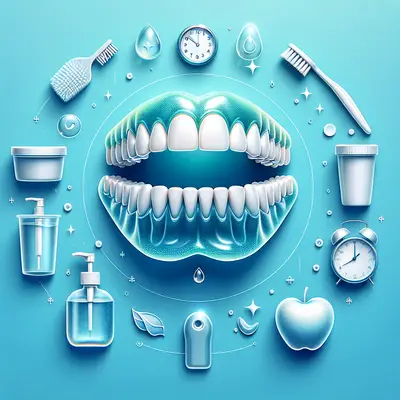
Use a dedicated, non‑abrasive denture cleanser rather than everyday toothpaste, which can create microscopic scratches that harbor bacteria and dull the surface. Combine this with a soft, well‑designed denture brush that feels deliberate in the hand. Rinse in cool or lukewarm water to avoid warping. As your dentures soak in a quality cleansing solution, take the opportunity to gently brush your gums, tongue, and palate with an ultra‑soft brush—stimulating circulation and maintaining tissue health. Over time, this ritual preserves not just freshness, but the refined luster and clarity of your prosthetic teeth, much like proper care preserves the sheen of fine fabrics or leather.
4. Anticipate Change the Way Athletes Anticipate Training Plateaus
The offline reality behind those viral transformations is that the body continually adapts—and that includes the mouth. After tooth loss, the jawbone naturally resorbs over time. This quiet, gradual shift can turn a once‑perfect fit into a source of subtle instability. Just as athletes refine their routine as their bodies change, sophisticated denture wearers plan for this evolution instead of being surprised by it.
Agree in advance with your dentist or prosthodontist on a review cadence—often every 6 to 12 months—specifically to reassess fit, bite, and tissue health. A professional reline can refresh the adaptation of the denture base to your gums, restoring suction and comfort without the need for a completely new appliance. By treating these visits as part of an ongoing “performance plan” for your smile, you maintain control over your comfort and appearance, rather than waiting for sore spots, looseness, or slippage at a critical social moment.
5. Curate Your Diet to Protect Both Smile and Self‑Image
A recurring theme in the transformation article is the power of aligned lifestyle choices—how nutrition shapes not just the body, but energy, mood, and self‑perception. For denture wearers, food can become either a source of quiet anxiety or a carefully curated pleasure. The difference lies in strategy.
Instead of simply “avoiding hard foods,” refine your approach. Work with your dental professional—or if available, a dietitian familiar with prosthetic dentistry—to identify textures that are both denture‑friendly and visually elegant on the plate. Think slow‑braised meats over stringy cuts, roasted root vegetables over hard raw carrots, sliced apples lightly poached with spices rather than bitten whole. Chew symmetrically on both sides to minimize rocking, and take slightly smaller bites to maintain control without appearing tentative. This kind of thoughtful adaptation allows you to enjoy social dining, business lunches, and celebratory meals without your dentures dictating what you can or cannot confidently eat.
Conclusion
The surge of viral body transformations reflects a broader cultural truth: people are seeking visible, meaningful change—and they want that change to feel intentional, aspirational, and deeply personal. For those who wear dentures, the journey is no less transformative, even if it’s not splashed across social media feeds.
By approaching dentures as a form of smile architecture, insisting on meticulous adjustments, elevating daily care into a refined ritual, planning for inevitable anatomical change, and curating a lifestyle that supports both function and elegance, you reclaim your prosthetics as part of a sophisticated, ongoing transformation—not a quiet concession to aging or loss.
In an era that celebrates visible evolution, your dentures can be more than a solution; they can be a signature element of the self you are deliberately becoming.
Key Takeaway
The most important thing to remember from this article is that this information can change how you think about Denture Care.