As “No Words: 50 Hilariously Tragic Hair Accidents” trends across social media, millions are doom‑scrolling through before‑and‑after photos that range from mildly regrettable to truly catastrophic. The comments are ruthless, the memes are relentless, and yet there’s a quiet, universal truth beneath the laughter: when something is on your face, there is nowhere to hide. A harsh haircut, a brassy dye job, or a badly fitted denture all live under the same unforgiving spotlight.
Just as people are now thinking twice before trusting any stylist with a radical hair transformation, discerning patients are becoming more selective about the type of dentures they choose and who designs them. In 2025, your smile is as visible—and as shareable—as your hairstyle. The era of “good enough” appliances is over; the new standard is tailored, photoready, and future‑proof.
Below, we translate today’s viral beauty mishaps into refined, practical guidance on modern denture types—so your smile never becomes the dental equivalent of a haircut gone famously wrong.
1. From “One‑Size” to Bespoke: Rethinking Traditional Full Dentures
If those viral haircut photos have taught us anything, it’s that copying a look without considering face shape, lifestyle, and personal style leads to regret. Traditional full dentures can fall into the same trap when treated as generic, one‑size solutions.
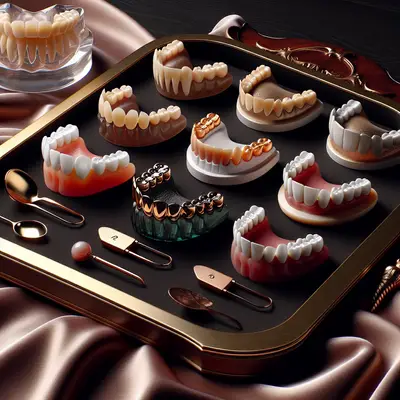
Full acrylic dentures remain a mainstay for complete tooth loss, but premium care today no longer ends with “upper and lower plates.” Contemporary high‑end prosthodontics focuses on:
- Facial architecture: A well‑designed full denture can subtly restore lip support, soften lines around the mouth, and rebalance facial proportions—much like a flattering haircut frames the face.
- Tooth anatomy and shade layering: Instead of flat, uniform “chiclet” teeth, advanced labs use multi‑layered acrylic or nano‑hybrid composite teeth that mimic translucency, surface texture, and natural color gradations.
- Gingival artistry: High‑level technicians contour and tint the “gums” to suggest natural root emergence and subtle tissue variation, avoiding the telltale monochrome pink of budget dentures.
The lesson from trending hair fails: avoid the template look. Ask your clinician whether your full dentures will be set using facial photographs, facial scan data, or digital smile design software—not just a single impression and a guess.
2. Precision in Motion: Why Premium Partial Dentures Feel (and Look) Effortless
Many of the most shocking hair mishaps online are not about the cut itself, but about blending: abrupt transitions, harsh lines, and colors that don’t integrate. Partial dentures can suffer an equally jarring fate if they don’t harmonize with your remaining natural teeth.
Modern premium partials go far beyond basic metal frameworks:
- Ultra‑thin, high‑strength frameworks (often cobalt‑chromium or titanium) allow for slimmer, more discreet designs that don’t bulk up the palate or cheeks.
- Precision attachments—small, hidden connectors integrated into crowns—can replace visible metal clasps, much like invisible hairpins create a clean up‑do without visible hardware.
- High‑fidelity shade matching ensures the prosthetic teeth echo not just your natural tooth color but also translucency and surface gloss, avoiding the “two different smiles” effect.
If you’ve seen a patchy hair color that screams “afterthought,” you know exactly what a poorly matched partial looks like in conversation and in photos. During your consultation, request that your dentist:
- Compare shades in natural daylight
- Consider your planned whitening treatments (if any)
- Show you a mock‑up or digital visualisation of how the partial will integrate with your existing teeth
Refinement lies in the transitions, not just the device.
3. The “Permanent Blowout” of Dentistry: Implant‑Supported Denture Systems
Just as keratin treatments and luxury blowouts have redefined what “effortless” hair can mean, implant‑supported dentures are transforming expectations around security and elegance in tooth replacement.
While traditional dentures rely on suction and adhesives, modern options like locators, bar‑retained, or fixed hybrid implant dentures create a more stable foundation:
- Overdenture on implants (removable): Attaches to small implant abutments with clips or locator attachments. It’s the dental equivalent of using high‑quality hair tools—still removable, but remarkably secure and less prone to embarrassing slips.
- Fixed full‑arch implant bridges (often called “All‑on‑4” or “All‑on‑X”): These are not removed daily by the patient and offer a streamlined, lifelike arch. Think of them as the “professionally styled, always on” version of tooth replacement.
In a culture where candid photos, 4K video calls, and viral clips can capture every spontaneous laugh, the appeal is obvious:
- No mid‑dinner adhesive emergencies
- No subtle upper‑lip tension from worrying a denture might shift
- Clearer speech, especially with lower dentures, which are traditionally the most unstable
Just as people now invest in long‑lasting hair treatments to avoid daily styling battles, many discerning patients view implant‑supported dentures as a long‑term investment in confidence and predictability. The key is rigorous planning—3D imaging, digital occlusal analysis, and careful bone assessment—to ensure function and aesthetics are aligned from the start.
4. Flexibility Without the “Gimmick”: Modern Flexible and Hybrid Denture Materials
In the same way some viral hair disasters stem from chasing trends—unrealistic colors, extreme volume, avant‑garde cuts—denture wearers can be tempted by anything marketed as instantly comfortable or invisible. Flexible, nylon‑based partial dentures surged in popularity for their comfort and clasp translucency, but they are not universally ideal.
The current, more sophisticated approach involves hybrid concepts:
- Flexible components where appropriate (for gum‑hugging flanges or clasp arms) combined with rigid frameworks for stability and occlusal precision.
- Advanced thermoplastic resins that offer improved polishability and stain resistance over older flexible materials.
- Monolithic high‑strength polymers (such as certain high‑performance polymers or milled resins) delivering fracture resistance and refined contouring.
What today’s design‑aware, social‑media‑savvy patients increasingly understand:
- Absolute flexibility is not a synonym for luxury; predictable fit and controlled function are.
- A slightly more structured design can preserve the fine balance of bite forces, reduce sore spots, and age more gracefully under daily wear.
Just as elite stylists caution against chasing every hair trend on TikTok, seasoned prosthodontists now guide patients toward material combinations that respect both comfort and biomechanics. The goal is modern elegance, not novelty for its own sake.
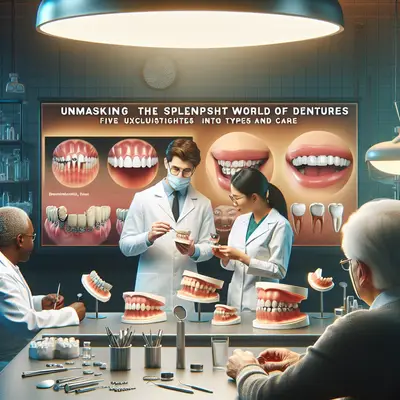
5. Five Exclusive Insights for Discerning Denture Wearers in 2025
Inspired by the same scrutiny that’s turning bad haircuts into viral cautionary tales, these five insights will help you approach denture types with a curator’s eye rather than a passive patient mindset:
- “Instagram vs. Reality” Applies to Denture Advertising
Hyper‑white, perfectly symmetrical smile photos often feature digital editing or idealized cases. Ask to see real before‑and‑after photographs of patients near your age and with similar facial and gum conditions—not just stock images.
Your Smile Should Match Your Personal Aesthetic, Not a Generic Template
Just as not everyone suits the same haircut, not everyone suits the same tooth shape or brightness. Discuss whether you prefer a subtly imperfect, natural look or a more polished, “celebrity” style. High‑end dentures can be customized down to tiny rotations, incisal wear, and micro‑texture.
Test‑Drive Your Smile Before Committing
Refined practices now often use wax try‑ins, 3D printed prototypes, or provisional dentures to let you live with a proposed design—speaking, eating, and seeing yourself in everyday lighting—before the final prosthesis is fabricated.
Plan for Cameras, Not Just Mirrors
In an era of constant photos and video calls, ask your dentist to assess your smile in multiple positions: relaxed face, full smile, speaking, and laughing. A premium approach considers how your dentures perform from every angle, not just straight‑on in the operatory mirror.
Prioritize the Lab as Much as the Clinic
Behind every refined denture is a skilled laboratory team. Inquire which lab or in‑house digital system will be used, what materials they specialize in, and whether a technician can be involved in shade and design consultations. The collaboration between clinician and technician is the dental equivalent of a top stylist partnering with a color specialist.
Conclusion
The internet’s fascination with disastrous hair transformations is more than entertainment—it is a sharp reminder of how visible, personal, and emotionally charged our appearance choices can be. In the realm of dentures, the stakes are even higher: your smile affects how you speak, eat, and express yourself every day.
While viral images come and go, the right denture type should feel timeless—harmonizing with your face, your lifestyle, and your sense of self. By demanding bespoke planning, premium materials, and meticulous attention to detail, you ensure that your dentures never become the next “before” photo in a trending thread. Instead, they become what true luxury always is: quietly flawless, effortlessly you.
Key Takeaway
The most important thing to remember from this article is that this information can change how you think about Denture Types.