The headline about a 31‑year‑old mother now on life support after traveling to Vietnam for plastic surgery is sobering. In a year saturated with “glow‑up” reels, celebrity transformations, and budget medical tourism packages, her story slices through the noise. It reminds us that true beauty—and true care—are never just about the cheapest price or the fastest visible result. Nowhere is that more true than in the world of oral hygiene and dentures, where shortcuts can carry very real medical consequences.
As more people consider saving money by seeking dental and cosmetic treatments abroad, denture wearers in particular are being targeted with irresistible offers: “same‑day smiles,” “all‑inclusive smile makeovers,” “Hollywood teeth on a backpacker budget.” Yet behind the glossy marketing lies a question that matters far more than a temporarily perfect Instagram photo: Is this care safe, sustainable, and worthy of the smile you rely on every single day?
Below are five refined, often overlooked insights that discerning denture wearers can use to navigate this moment—protecting not only their oral hygiene, but their overall health and dignity.
1. Infection Control Is Not a Detail—It’s the Whole Story
The tragedy of a cosmetic procedure abroad turning life‑threatening underscores something medicine has always known: infection control is non‑negotiable. For denture wearers, this principle begins not in an operating room, but at your bathroom sink.
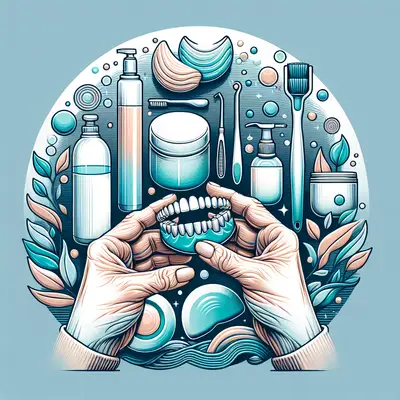
A meticulously cleaned denture is, fundamentally, an infection‑prevention device. Biofilm that accumulates on acrylic or implant bars is not “just plaque”—it can harbor fungi like Candida albicans and bacteria linked to pneumonia, cardiovascular disease, and implant failure. International dental associations have repeatedly emphasized that poorly maintained prostheses can become reservoirs for systemic infection, especially in older or medically fragile patients.
Luxury in oral care, therefore, is not a gold‑trimmed toothbrush; it’s a zero‑compromise approach to hygiene. That means:
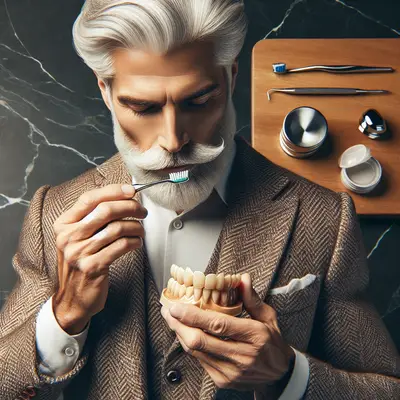
- A dedicated, non‑abrasive denture brush used twice daily
- A professional‑grade denture cleanser (not just toothpaste, which is often too abrasive)
- Overnight removal and soaking to let tissues rest and allow thorough disinfection
- Replacing worn brushes and cleaning products regularly, just as you would with premium skincare tools
In a world fixated on dramatic “after” photos, the truly sophisticated choice is invisible: a rigorous, infection‑averse routine that quietly protects your health, year after year.
2. “Bargain” Dentistry Abroad Is No Bargain If Follow‑Up Is Impossible
The growing trend of traveling for plastic surgery or implants—whether to Vietnam, Turkey, Mexico, or Eastern Europe—often markets itself around a single seductive idea: you’ll receive a full transformation in a matter of days. For denture and implant patients, that promise is not only unrealistic; it can be unsafe.
Denture treatment is, by nature, iterative. Impressions, bite adjustments, soft tissue healing, occlusal refinements, sore spot relief—these are not one‑off events. They require a relationship with a clinician who can see you again and again as your mouth adapts. When all treatment is compressed into a long weekend abroad, you gain speed at the cost of safety and nuance.
Refined denture care leans into continuity:
- A local dentist or prosthodontist who knows your medical history, medications, and prior treatments
- Scheduled follow‑ups after a new denture or reline, rather than a “fix everything at once and fly home” mindset
- Clear records and imaging kept in one place, rather than scattered between clinics and countries
Medical tourism often treats the body as a project with a completion date. Elite oral care treats your mouth as a living, changing environment that deserves attentive, long‑term stewardship.
3. Biocompatibility Matters as Much as Aesthetics
The story of a young mother pursuing a celebrity‑inspired transformation—citing Kylie Jenner’s look as a model—reflects a broader cultural obsession: we are encouraged to chase a visual ideal and trust that the materials used to achieve it will somehow “just work” with our bodies. In dentistry, that assumption can be dangerously naïve.
Not all denture resins, liners, adhesives, or implant components are created equal. While reputable clinics worldwide adhere to strict material standards, the surge in ultra‑low‑cost treatment packages has raised concerns among regulators and professional associations about traceability and quality control.
Sophisticated denture wearers quietly ask questions that many patients never think to raise:
- Which brand and class of acrylic or resin is being used for my denture?
- Are the materials CE‑marked, FDA‑cleared, or compliant with equivalent rigorous standards?
- If I’m receiving implants, which manufacturer produces the components, and will compatible parts be available in my home country for future maintenance or repair?
- Do I have a documented record of lot numbers and materials used, in case of allergy or later complications?
A beautifully white prosthesis is meaningless if it irritates tissues, fosters chronic inflammation, or can’t be serviced safely in the future. True luxury dentistry is transparent about precisely what is going into your mouth—and how your body is expected to live with it for decades.
4. Daily Denture Habits Can Protect You From the Need for Extreme Makeovers
One of the quiet truths behind the spike in “extreme makeover” trips abroad is this: many patients arrive at that point after years, sometimes decades, of compromised routine care. Neglected partial dentures, long‑ignored sore spots, untreated gum disease under a prosthesis—these seemingly small issues can accumulate into major oral breakdown that later feels like it requires radical intervention.
For denture wearers who prefer to avoid ever feeling pressured into dramatic procedures, daily habits function like a private insurance policy:
- Soft‑tissue inspection: Removing your denture and actually looking—under good light—at your gums, palate, and tongue. Any persistent redness, ulcer, or white patch deserves professional attention.
- Meticulous cleaning under partials: If you wear a partial denture, flossing around abutment teeth and using interdental brushes or water flossers helps protect the natural teeth that anchor your prosthesis.
- Adhesive discipline: Using only the smallest effective amount of a high‑quality adhesive, and never using it to compensate for a poorly fitting denture that really requires relining or remaking.
- Nutritional elegance: Choosing a diet that respects your prosthesis—less constant snacking on sticky, sugary foods; more balanced, nutrient‑rich meals that support oral and bone health.
The goal is simple yet deeply luxurious: to keep your oral environment so stable and comfortable that the prospect of drastic, high‑risk interventions never feels seductive or necessary.
5. A Truly Premium Smile Strategy Includes Your Whole Health Team
The heartbreaking case of an otherwise healthy young woman landing on life support after elective surgery underscores that our bodies do not recognize artificial boundaries between “cosmetic” and “medical.” Anesthesia, wound healing, infection risk—all of it is influenced by your total health profile.
For denture wearers, that means the most elevated standard of oral hygiene and treatment planning is collaborative. Rather than treating your dentist or prosthodontist as an isolated provider, consider them part of a curated personal health team that may include:
- Your primary care physician, aware of any oral infections, pain, or difficulty eating that could affect nutrition or systemic health
- A cardiologist or endocrinologist, if you live with conditions such as heart disease or diabetes that can alter infection risk and healing capacity
- A pharmacist, reviewing potential interactions between oral care products and your medications—particularly in the case of dry mouth, blood thinners, or immunosuppressive drugs
Before any major procedure—whether at home or abroad—a truly premium approach includes full medical clearance, labs when appropriate, and transparent discussion of risks. Saying “no” or “not yet” to a proposed treatment, based on a thorough health review, is not an inconvenience; it is a mark of discernment.
In this light, oral hygiene is no longer a solitary, cosmetic chore but an integral part of a well‑orchestrated health strategy, where each professional protects and enhances the work of the others.
Conclusion
The news of a young mother on life support after pursuing a cheaper, faster route to physical transformation is a stark reminder: our bodies keep the score of every decision we make in the name of beauty and convenience. Denture wearers, often managing complex oral histories and unique hygiene demands, stand at a particularly consequential crossroads in this era of medical tourism and viral makeovers.
Choosing premium denture care is not about chasing the most dramatic “after” photo or flying the farthest for a deal. It is about honoring your health with rigorous infection control, insisting on biocompatible materials, valuing follow‑up over speed, nurturing daily habits that prevent crisis, and integrating your oral care into a broader, thoughtfully curated health plan.
In a world mesmerized by instant transformations, the most elegant statement you can make is quietly simple: a clean, comfortable, stable smile—achieved safely, maintained meticulously, and never gambled for a shortcut.
Key Takeaway
The most important thing to remember from this article is that this information can change how you think about Oral Hygiene.