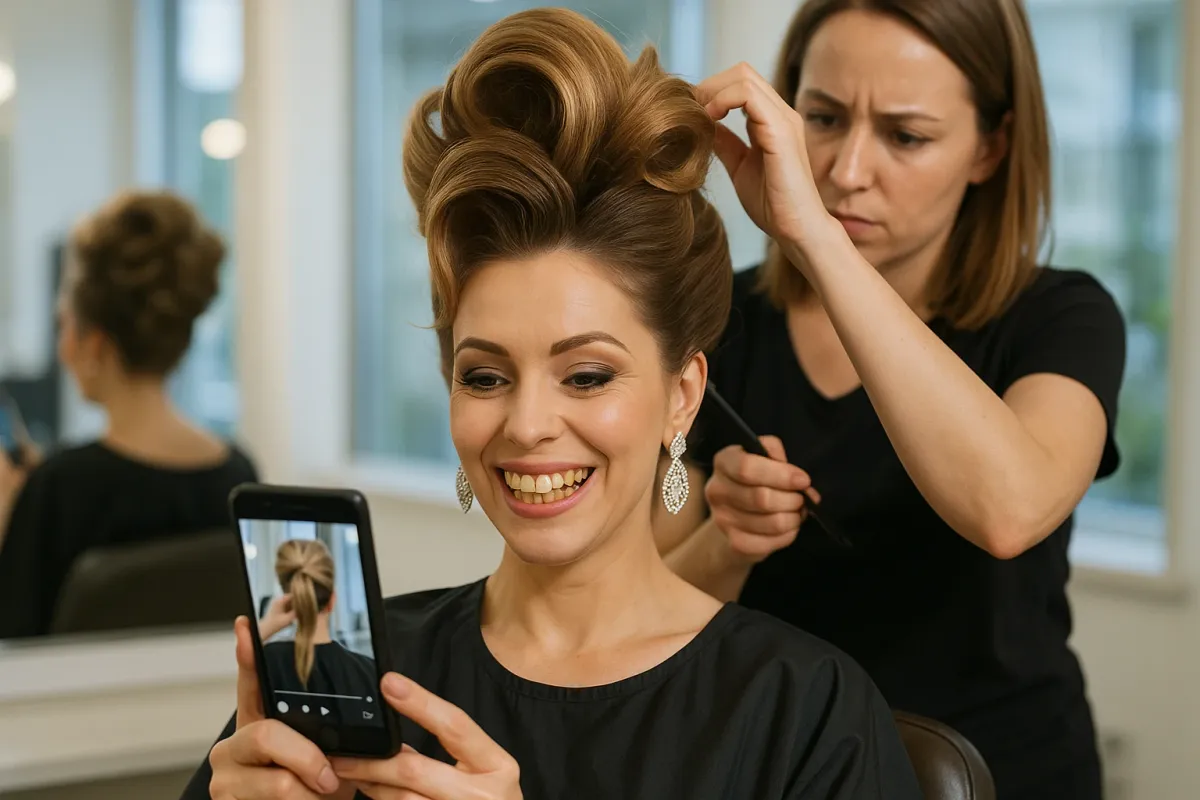
The internet is buzzing over Gwendoline Christie’s gravity‑defying hair at the Fashion Awards, with viewers calling it everything from avant‑garde sculpture to a “new home for lice.” As social feeds dissect every strand of her towering style, one quiet truth sits in the background: beauty culture loves hair and makeup drama—but almost never talks about what’s happening inside the mouth.
For denture wearers, that silence is more than a missed conversation; it’s a missed opportunity. If a single red‑carpet hairstyle can hijack global attention in hours, imagine what would happen if oral hygiene—especially for those with dentures—were treated with the same level of precision, artistry, and care. Today, as fashion commentators obsess over texture, volume, and “habitats” in hair, it’s the perfect moment to turn the spotlight toward something more discreet, more intimate, and ultimately more impactful: the way you care for your prosthetic smile.
Below are five exclusive, detail‑driven insights crafted for discerning denture wearers who expect their oral hygiene routine to be as meticulous as a couture fitting—quietly luxurious, technically excellent, and built to last.
1. The “Runway Reset”: Why Your Nightly Denture Ritual Should Rival a Skin‑Care Routine
The same way stylists meticulously deconstruct a runway hairstyle at the end of the night, your dentures deserve a disciplined “reset” ritual—especially after a long day of adhesive, food pigments, and temperature changes. Leaving dentures in overnight without proper cleaning doesn’t just risk plaque and odor; it creates a warm, moist micro‑environment in which fungal organisms like Candida thrive, worsening denture breath and sore spots.
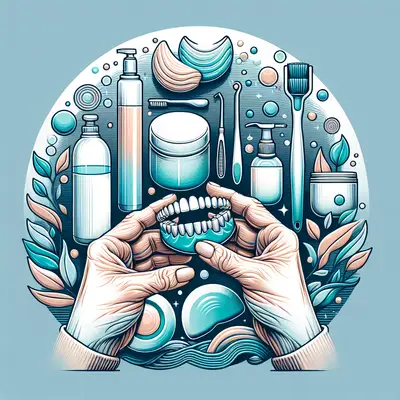
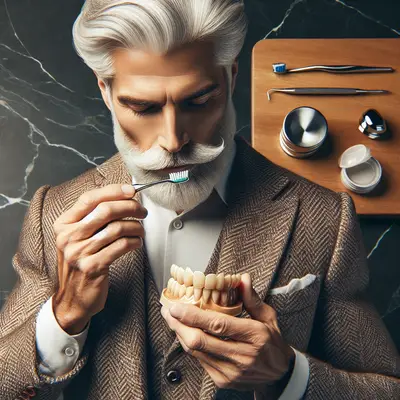
Elevate your evening routine beyond a quick rinse. Remove your dentures, gently brush them with a soft denture brush and a non‑abrasive cleanser (never regular toothpaste—its grit can create microscopic scratches), then soak them in a professional‑grade solution recommended by your dentist or prosthodontist. Just as a luxury serum works overnight to repair the skin barrier, your soaking step should be selected for what it does while you sleep: break down biofilm, neutralize odor compounds, and protect surface integrity. For partial denture wearers, this ritual is incomplete without a separate, equally attentive clean of your natural teeth and gums, using floss or interdental brushes to prevent plaque from creeping under clasps and attachments.
2. The “Invisible Styling Product”: Curating High‑Performance Adhesives Without Residue
Gwendoline Christie’s hair look sparked comments about what might be hiding in all that volume. In the world of dentures, the equivalent concern is the adhesive nobody sees—but everyone notices when it fails. An elegant denture experience isn’t about “gluing it in and hoping for the best”; it’s about selecting the right formulation for your mouth chemistry, bite force, and daily demands.
Premium adhesive use starts with restraint and precision. Apply small, strategically placed dots or thin strips—never a continuous heavy layer—which reduces seepage and makes cleaning dramatically easier. For those with sensitive oral tissues or a history of irritation, ask your dentist about zinc‑free, hypoallergenic formulas and how long they are truly designed to perform. If you find you are increasingly reliant on adhesive for basic stability, that’s not a sign to use more product; it’s a signal to schedule a fit evaluation. A well‑made, well‑fitted denture should function much like a tailored garment: adhesive enhances comfort under stress, but it should never be the only thing holding everything together.
3. The “Micro‑Scalp” Concept: Treating Your Gums Like Couture Fabric, Not Background Canvas
While fashion critics debated whether Christie’s hair had become “a habitat,” oral health experts are quietly concerned about another overlooked landscape: the tissue beneath your denture. Just as a stylist cares for the scalp beneath elaborate hair, refined denture care treats the gums and palate as the true foundation of beauty and comfort.
Once your dentures are out, your soft tissues deserve focused attention. Massage your gums with a soft toothbrush or a dedicated ultra‑soft gum brush using lukewarm water or an alcohol‑free antimicrobial rinse. This encourages blood flow, helps maintain tissue tone, and can reduce the risk of painful pressure spots. Pay particular attention to the palate and the vestibule (the fold between your gums and cheeks), where food debris and biofilm quietly accumulate. For those with a history of denture stomatitis or dry mouth, your dentist may recommend targeted products such as moisturizing gels, xylitol‑based sprays, or prescription antifungal rinses. Think of this as couture‑level fabric care for the “material” your dentures rest on: supple, healthy tissue supports a more stable, more luxurious fit.
4. The “Camera‑Ready Breath Test”: Balancing Aesthetics With Discreet Freshness
Viral red‑carpet moments are defined by what cameras can capture—but off‑camera, proximity matters. Halitosis associated with dentures can be subtle at first, then suddenly socially devastating, much like a hair look that seems avant‑garde under studio lights but chaotic in daylight. The key is to treat breath as a measurable outcome of your hygiene system, not an afterthought.
Begin by separating what you feel from what others actually perceive. A tongue scraper, used gently each night, reduces volatile sulfur compounds that contribute to bad breath, while non‑alcoholic mouthrinses help avoid the rebound dryness that can worsen odor. Schedule professional cleanings and denture checkups at least once a year—even if everything seems fine—so your clinician can detect early plaque buildup, fungal overgrowth, or fit issues that trap odor. For a more refined touch, discuss discreet, travel‑friendly tools with your dentist: mini interdental brushes sized for your partial clasps, on‑the‑go denture cleansing wipes, or moisture‑enhancing lozenges for dry mouth. The goal is to maintain breath so clean and neutral that, like a well‑chosen fragrance, it’s noticed only by its absence of offense.
5. The “Future‑Proof Smile”: Integrating Tech, Trends, and Long‑Term Oral Health
Behind the spectacle of this year’s Fashion Awards is a quieter trend shaping every luxury industry: technology and customization. Just as designers now rely on 3D modeling and advanced textiles, modern dentures and oral hygiene are increasingly defined by precise digital workflows and data‑driven care. If your last denture was made a decade ago, your next could be an entirely different experience.
Ask your provider whether your dentures can be digitally scanned and archived. A digital record means faster remakes after damage or loss, more precise relines, and the ability to track subtle changes in your bite and facial structure over time. Explore whether your home care tools are keeping pace: sonic or ultrasonic denture baths, soft‑touch electric brushes approved for partials, and pH‑balanced cleansers can all elevate your routine beyond the drugstore default. And as wellness culture continues to merge beauty and health, watch for emerging products that respect both your oral microbiome and your prosthetic materials—formulations that clean effectively without stripping or scratching, and routines that acknowledge nutrition, hydration, and sleep as integral to oral comfort. In a world where hair can go viral overnight, the true luxury is a smile designed to age gracefully with you.
Conclusion
As social media debates whether Gwendoline Christie’s sculptural hair is genius or “a new home for lice,” it’s a reminder that surface spectacle tends to dominate the conversation. Yet for denture wearers, the most sophisticated beauty work happens away from the cameras—in the quiet discipline of nightly rituals, the precision of adhesive use, the care of tissues others never see, and the thoughtful embrace of new technologies.
Treat your denture hygiene not as a chore, but as a private luxury: a curated practice where every step, every product, and every checkup is chosen with the same discernment you’d bring to a bespoke garment or a signature fragrance. Trends will come and go; a meticulously cared‑for prosthetic smile remains your most enduring, understated statement piece.
Key Takeaway
The most important thing to remember from this article is that this information can change how you think about Oral Hygiene.