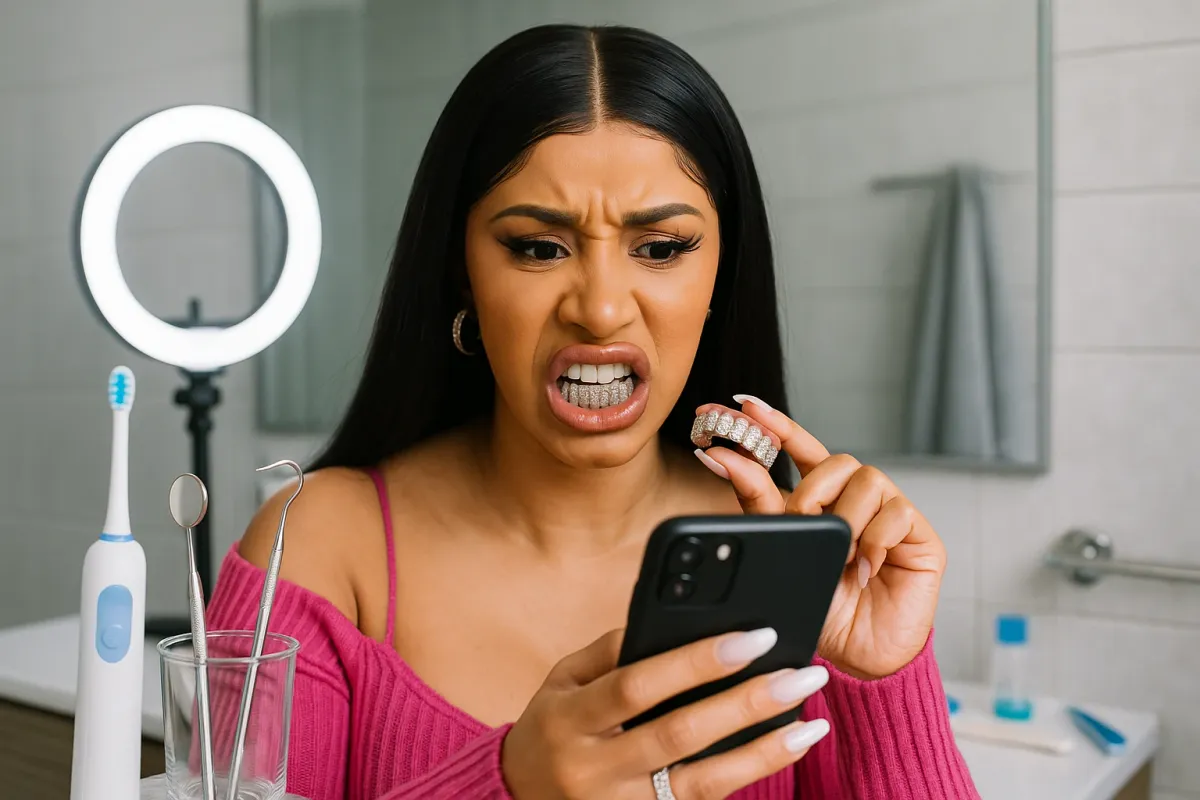
In the past few days, Cardi B’s new neck and back piercings have ignited a familiar cycle of social‑media outrage—words like “so gross” are trending again, and everyone suddenly has a hot take on body care, safety, and what’s “too much.” While the conversation centers on piercings, the subtext is broader: how far are we willing to push our bodies for style, and what level of hygiene do those choices truly demand?
For denture wearers, this moment is surprisingly relevant. Just as piercings require meticulous aftercare to avoid infection, sophisticated dentures and oral appliances demand a standard of cleanliness that goes far beyond a quick rinse at the sink. In a world where aesthetics go instantly viral but hygiene rarely does, it’s a good time to quietly elevate our own routines to clinic‑grade standards—without sacrificing an ounce of luxury.
Below, you’ll find five exclusive, refinement‑focused insights designed for discerning denture wearers who expect more than “good enough” care.
1. Think Like a Piercing Studio: Treat Your Mouth as a Fresh “Healing Site”
The criticism around Cardi B’s new piercings hinges on one theme: risk. High‑impact procedures near delicate tissue demand serious hygiene—and the same mindset belongs in your mouth every single day.
Even if you’ve worn dentures for years, your gums behave more like living, reactive tissue than a static surface. Tiny pressure spots, micro‑abrasions, and food particles can quickly mimic the conditions of a fresh piercing: vulnerable, inflamed, and primed for bacterial overgrowth. Instead of assuming your mouth is “used to it by now,” treat it as a space that deserves daily, surgical‑level respect.
This means approaching your routine with intentionality: cool or lukewarm water (never scalding), products designed for oral use (no harsh household cleaners), and a consistent schedule—morning, evening, and after especially long wear or indulgent meals. The goal is not just a clean denture, but a calm, un-irritated foundation beneath it, the way a professional piercer works to keep the skin serene around new jewelry.
2. Luxury Care Is Invisible: Master the Art of Discreet, On‑the‑Go Freshness
Public discourse around Cardi B’s look has been loud and visual; by contrast, the most sophisticated hygiene habits are nearly invisible. The most elegant denture routines blend seamlessly into your day, much like an understated fragrance or a well‑tailored jacket—felt, but rarely noticed.
Curate a compact “oral care kit” that travels as elegantly as your wallet or phone. At minimum, include a slim case for your dentures, individually wrapped cleansing wipes or foam designed for oral appliances, alcohol‑free mouth rinse in a small decanter, and a soft microfiber cloth for discreet drying. This is not about fussiness; it’s about readiness.
After a long dinner, a flight, or a high‑stress workday, a two‑minute retreat to the washroom allows you to remove odor‑causing film, refresh your breath without harsh mints, and reset the fit of your dentures. Just as celebrities plan outfits for cameras they may never see, you’re simply preparing for close‑up moments—without ever announcing that you’ve done so.
3. Biofilm Is the Real Villain: Elevate Cleaning Beyond “Looks Clean”
The phrase “so gross,” as used by some critics reacting to Cardi B’s piercings, often focuses on what’s visible—redness, swelling, or dramatic jewelry. With dentures, the real threat is quieter: biofilm.
Biofilm is the ultra‑thin, sticky layer of bacteria that clings to your denture’s surface, even when it looks spotless to the naked eye. Left undisturbed, it hardens into calculus (tartar) on the denture the same way it does on natural teeth, harboring odor, staining agents, and disease‑causing bacteria that can irritate your gums and even influence your overall health.
A premium routine moves beyond “if it looks clean, it is” and embraces layered defense:
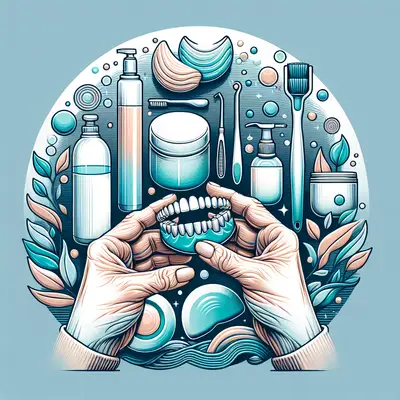
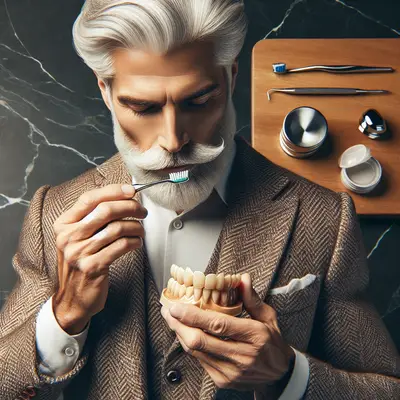
- A dedicated, soft‑bristled denture brush with a non‑abrasive cleanser formulated specifically for prosthetics
- A daily or near‑daily soak in high‑quality effervescent cleansing tablets to disrupt biofilm in microscopic crevices
- Periodic professional polishing appointments with your dentist or prosthodontist to reset surfaces to near‑new smoothness
This approach mirrors the way top piercing studios professionally clean jewelry and skin contact points—because the tools that touch your body deserve the same standard you expect from fine jewelry itself.
4. Skin, Metal, Acrylic: Learn How Materials Interact With Your Oral Health
Cardi B’s new piercings sparked a debate partly because they sit at the intersection of skin, metal, and movement—three factors that can either coexist beautifully or go disastrously wrong. Dentures are similarly multi‑material: acrylic, porcelain or composite teeth, sometimes metal frameworks, and your living tissues.
Understanding those interactions is the hallmark of refined care. For example, if your denture includes metal components and you enjoy fizzy, acidic beverages, you’re subtly increasing corrosion risk over the long term. If you use aggressive whitening toothpaste on your denture, you may be microscopically scratching the acrylic, creating perfect anchoring points for biofilm and pigment.
Elevate your routine by matching products to materials:
- Use only denture‑specific cleansers—never regular toothpaste or abrasive powders
- Opt for pH‑balanced solutions that respect both your oral microbiome and the metal or resin elements in your appliance
- Discuss with your dentist whether your adhesive, mouthwash, and cleanser are fully compatible with the specific resin and alloys in your prosthesis
In the same way high‑end jewelry demands care instructions beyond “just wipe it,” your dentures perform best when their material science is respected.
5. The Overnight Ritual: Transform “Taking Them Out” Into a Spa‑Level Experience
When the internet critiques a celebrity’s new look, the scrutiny focuses on the reveal moment—but the real work happens off‑camera in the quiet hours of aftercare. For denture wearers, night‑time is when true luxury hygiene can shine.
Instead of thinking of removal as the end of the day, reframe it as the beginning of restoration—for both the appliance and your oral tissues. After a gentle removal and rinse, take a moment to massage your gums and palate with a clean fingertip or ultra‑soft brush to stimulate circulation. Follow with a lukewarm rinse—saline or alcohol‑free mouthwash—to soothe and neutralize your mucosa.
While your dentures soak in a fresh, high‑quality cleansing solution (never reused from the previous night), let them fully dry on a clean, ventilated surface before storage; a perpetually damp case is a breeding ground for yeast and odor. If you wear partials, give your remaining natural teeth an almost obsessive level of care—flossing, interdental brushes, and targeted fluoride—because the health of those anchor teeth dictates the long‑term elegance of your entire smile.
Over time, this evening ritual becomes less of a chore and more of a quiet luxury: an intimate, daily investment in how confidently you greet the world tomorrow.
Conclusion
The discourse swirling around Cardi B’s “gross” piercings is loud, performative, and fleeting. But it unintentionally highlights a truth that sophisticated denture wearers already understand: any adornment of the body—whether a bold piercing or a beautifully crafted denture—earns its elegance through meticulous hygiene.
By treating your mouth as a living, high‑value space, prioritizing invisible freshness, respecting the science of biofilm, understanding material interactions, and elevating your night‑time ritual, you move beyond basic “clean” into a realm of quiet, confident refinement. Trends will come and go; a well‑cared‑for smile, supported by impeccable oral hygiene, remains timeless.
Key Takeaway
The most important thing to remember from this article is that this information can change how you think about Oral Hygiene.