When an entire subreddit is devoted to “Bad MakeUp Artists,” and disastrous contouring jobs go viral overnight, one truth keeps resurfacing: in beauty, the details are everything. This week’s flood of posts about foundation lines, mismatched shades, and cakey textures isn’t just internet entertainment—it’s a reminder that even expensive products can look cheap when the basics of preparation and technique are ignored.
For denture wearers, the parallel is striking. Just as a poorly blended makeover can undermine a red-carpet gown, a neglected denture routine can compromise even the most premium set of prosthetics. In an era where high-definition selfies and social media close-ups magnify every flaw, refined denture maintenance has become as crucial to your overall look as your skincare and haircare rituals.
Below are five exclusive, detail-driven maintenance insights inspired by today’s obsession with cosmetic precision—designed for those who expect their dentures to look, feel, and perform as impeccably as a professionally executed makeup look.
Treat Your Mouth Like Skin Prep—Not an Afterthought
The viral makeup fails filling today’s feeds all suffer from the same sin: product slapped onto an unprepared canvas. Foundation over dry patches, concealer over oil, powder on unexfoliated skin—it all reads as texture and chaos on camera. Dentures are no different. The “canvas” is your oral tissues, and when they’re not impeccably prepared, even the most beautifully crafted denture will look and feel off.
Begin each day with a meticulous gum-care ritual before your dentures go in. Rinse with lukewarm water or an alcohol-free, non-whitening mouthwash to avoid drying the tissues. Use a very soft toothbrush or moistened gauze to massage the gums, palate, and tongue in gentle circular motions; this boosts circulation, removes biofilm, and helps prevent sore spots. For those with implant-supported dentures, invest in an interdental brush and super-floss to clean meticulously around abutments. Think of this as your “primer step”—a few elevated minutes that ensure your dentures seat more precisely, feel more comfortable, and look more natural throughout the day.
Avoid the “Cakey Look”: Strip Hidden Build-Up Without Stripping the Surface
The makeup community is currently roasting heavy, unblended foundation that clings to texture and lines. The denture equivalent? A quiet but stubborn build-up of microscopic plaque, stain, and calculus that gradually dulls the surface and makes an otherwise premium prosthesis look heavy, chalky, or artificially matte.
To keep your dentures luminous rather than “caked,” refine your cleaning routine beyond a quick brush. Use a brush designed specifically for dentures, with soft but resilient bristles, and a non-abrasive denture cleanser—never regular toothpaste, which can microscratch acrylic and porcelain. Make this a deliberate, two-sided technique: brush the fitting (tissue) surface in straight, controlled strokes to avoid trapping debris in microgrooves, then brush the outer surfaces as if you are polishing fine glassware rather than scrubbing dishes.
At least two to three times per week, complement brushing with a high-quality effervescent soak formulated for dentures, not generic “night guard” tablets. Allow the cleanser to work for the full recommended time—no shortcuts—then brush again under cool running water. This dual-stage routine lifts hidden film while preserving the smooth, light-reflective finish that gives dentures their natural, tooth-like sheen.
Master Color Management: Protect Shade, Luster, and Translucency
Today’s trending “Instagram vs. Reality” makeup posts are full of harsh lighting that brutally exposes shade mismatch and oxidation—lipsticks that pull too orange, foundations turning gray, and filters that can’t fully hide poor color choices. Dentures operate under similar scrutiny: restaurant downlighting, smartphone flash, and bright winter sun can all reveal discoloration or flat, opaque surfaces.
If you enjoy coffee, tea, red wine, turmeric-rich dishes, or dark berries, assume they are actively auditioning to stain your dentures. Rather than eliminating them entirely, adopt a protection strategy. Rinse with water within 10–15 minutes of consuming staining foods or drinks, and when possible, remove and gently rinse your dentures as well. This quick ritual interrupts early pigment binding in the microscopic pores of acrylic and composite teeth.
Avoid “whitening” toothpaste and DIY peroxide hacks on dentures; they’re the equivalent of using harsh toner on delicate under-eye skin. They may seem brightening initially but can roughen the surface, making your dentures more—rather than less—susceptible to future staining. If you notice persistent discoloration, schedule a professional cleaning with your dentist or prosthodontist. Many practices now use ultrasonic baths and specialized polishing pastes specifically calibrated to preserve the carefully engineered translucency and layered shading of modern premium dentures.
Respect the Fit: Tiny Adjustments, Major Comfort Dividends
One recurring theme in the online “Bad MakeUp Artists” thread is structure: harsh contouring in the wrong place, overdrawn lips that distort natural proportions, and brows that fight rather than frame the face. Fit and proportion are not just aesthetic—they determine whether a look feels cohesive or chaotic. With dentures, the “fit” is both mechanical and visual—and maintenance plays a central role in preserving it.
Gums and bone subtly remodel over time, and even the most well-crafted denture will not remain perfectly adapted forever. Instead of tolerating small annoyances—slight rocking, whispering lisp, a developing sore spot—treat them as early warning signs that deserve immediate, expert adjustment. Never use over-the-counter adhesives or liners as a permanent solution for a denture that has begun to feel unstable. Prolonged use can mask underlying problems, trap biofilm, and accelerate irritation.
Commit to a semi-annual professional review of your dentures, even if they “seem fine.” These brief visits allow your clinician to check pressure points, polish micro-scratches, verify occlusion (your bite), and plan relines before discomfort or movement becomes visible to others. Think of it as the dental equivalent of having a trusted tailor quietly refine the drape of a couture gown after a season of wear.
Curate a Night Ritual: Elevate Rest, Recovery, and Longevity
Beauty experts have long insisted that sleeping in a full face of foundation is the ultimate luxury faux pas—clogging pores, accelerating dullness, and aging the skin prematurely. The oral equivalent is sleeping in dentures night after night: convenient in the short term, but quietly corrosive to long-term health and aesthetics.
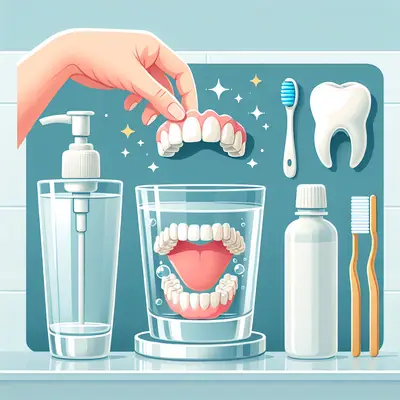
Unless you have been explicitly instructed otherwise by your clinician, remove your dentures every night. Place them in a dedicated, ventilated case or crystal-clear glass reserved solely for this purpose—this small gesture of ritual elevates the routine from “maintenance” to “care.” Soak them in a fresh denture-cleaning solution, not plain water, to allow the active ingredients to work while you sleep. Before reinsertion in the morning, rinse thoroughly and brush under cool or lukewarm water; never use hot water, which can subtly warp the baseplate over time.
Equally important: give your mouth its own moment of recovery. Massage the gums with clean fingers or a soft brush, apply a clinician-approved moisturizing gel if you suffer from dry mouth, and avoid harsh alcohol-based rinses before bed. This nightly reset helps prevent chronic inflammation, fungal overgrowth, and the “tired mouth” sensation that can eventually affect the way your dentures sit, feel, and even look.
Conclusion
In an age when makeup mishaps and beauty blunders trend on social media within minutes, the message for discerning denture wearers is clear: refinement lives in the quiet, consistent details that cameras rarely capture—but that results always reveal. Your dentures are not a static accessory; they are a high-performance, aesthetic device that demands the same level of thoughtful, layered care you might devote to couture garments or advanced skincare.
By preparing your oral “canvas,” preventing invisible build-up, protecting color and luster, respecting the fit, and committing to a restorative night ritual, you transform routine upkeep into a sophisticated practice of preservation. The reward is a smile that doesn’t just look impeccable in photos, but feels effortlessly poised in every real-world moment—no filters, no quick fixes, and no viral “fail” in sight.
Key Takeaway
The most important thing to remember from this article is that this information can change how you think about Maintenance Tips.