Even outside dentistry, the internet is quietly obsessed with details. One of today’s viral talking points is a Bored Panda roundup of design disasters—examples where poor spacing and kerning make words nearly unreadable or accidentally hilarious. It’s light-hearted content, but the underlying message is serious: small details, neglected, can completely change the outcome.
For denture wearers, the same principle holds—only the stakes are far higher than a misprinted sign. Just as a misplaced space can ruin a logo, a small lapse in your maintenance ritual can compromise fit, comfort, and long-term oral health. In a world where people are increasingly attuned to refinement—whether in typography, interiors, or personal grooming—your dentures deserve the same meticulous care.
Drawing inspiration from today’s viral fascination with precision in design, here are five exclusive, detail‑driven maintenance insights for those who expect their dentures to perform—and present—at a truly elevated level.
Precision, Not Pressure: The Art of Gentle Daily Cleansing
The design world is currently laughing at images where too-tight lettering makes words impossible to read. Similarly, too much “pressure” in daily cleaning can quietly undermine the integrity of your dentures. Ultra‑abrasive toothpaste, hard‑bristled brushes, or forceful scrubbing create microscopic scratches in the acrylic or porcelain. Over time, these tiny grooves harbor pigment, bacteria, and odors—dulling both appearance and freshness.
Upgrade your routine with a soft, denture‑specific brush and a non‑abrasive cleanser recommended by your dentist, avoiding regular whitening toothpastes formulated for natural enamel. Use slow, deliberate strokes, focusing particularly on the tissue‑facing surface, where biofilm tends to accumulate but is often neglected. Rinse with cool or lukewarm water only—hot water can subtly warp the base, leading to an imperceptible misfit that becomes sore spots weeks later. Think of your daily clean not as “scrubbing something off” but as polishing a precision‑made object you intend to keep flawless for years.
The Invisible Margin: Cleaning the “Kerning” Between Denture and Tissue
The trending article on bad spacing makes one point very clear: it’s the space between elements that often determines clarity. In denture care, the “space” that matters most is the interface—where your denture meets your gums and palate. This thin, unseen margin is the perfect micro‑environment for plaque, yeast, and food debris to accumulate, even when the visible surfaces look immaculate.
Create a refined two‑step ritual at night. First, remove the denture and gently massage your gums, palate, and tongue with a soft brush or a clean, damp gauze pad. This stimulates circulation and removes residual film your denture brush can’t touch. Second, pay special attention to the inner flange of the denture (the edges that tuck into your cheeks and under your lip). These subtle contours mirror your anatomy and must remain pristine to preserve a secure, comfortable seal. By treating this perimeter as non‑negotiable, you dramatically reduce the risk of denture stomatitis, soreness, and that “unfresh” feeling that develops even in otherwise well‑cleaned dentures.
Smart Soaking: Elevating an Ordinary Habit into a Protective Treatment
When design professionals submit entries to competitions like the 2025 Nature inFocus Photography Awards, they obsess over conditions—lighting, exposure, timing. Denture soaking, though less glamorous, benefits from the same intentionality. The casual habit of “just leaving them in something overnight” can be refined into a targeted, protective treatment.
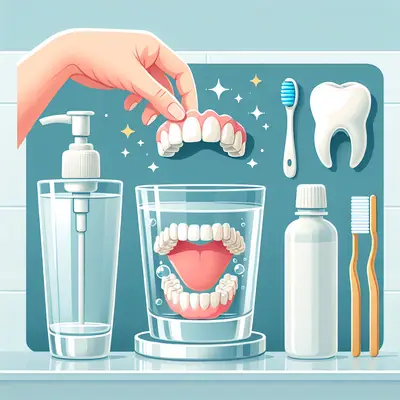
Use a high‑quality effervescent denture cleanser, not household products like vinegar or bleach, which can weaken alloys, fade pink acrylic, or irritate tissues. Follow the manufacturer’s timing precisely—longer is not always better. After soaking, rinse thoroughly under running water to remove any chemical residue; this single step is often skipped and can be the difference between comfortable wear and subtle tissue irritation. If you wear implant‑retained dentures, have a separate soft brush reserved solely for gently cleaning around the abutments or bar. Soaking cares for the prosthesis; brushing and rinsing protect the living structures that anchor it. That division of roles, executed daily, is the hallmark of a sophisticated care plan.
Microscopic Fit, Macroscopic Comfort: Routine Checks Before Issues Appear
Those viral “cursed spacing” images remind us that some mistakes are obvious only once the damage is done. With dentures, early misalignments are more discreet—but far more consequential. Weight changes, medication shifts, and natural bone resorption slowly alter the contour of your mouth, even when your denture appears to fit “well enough.”
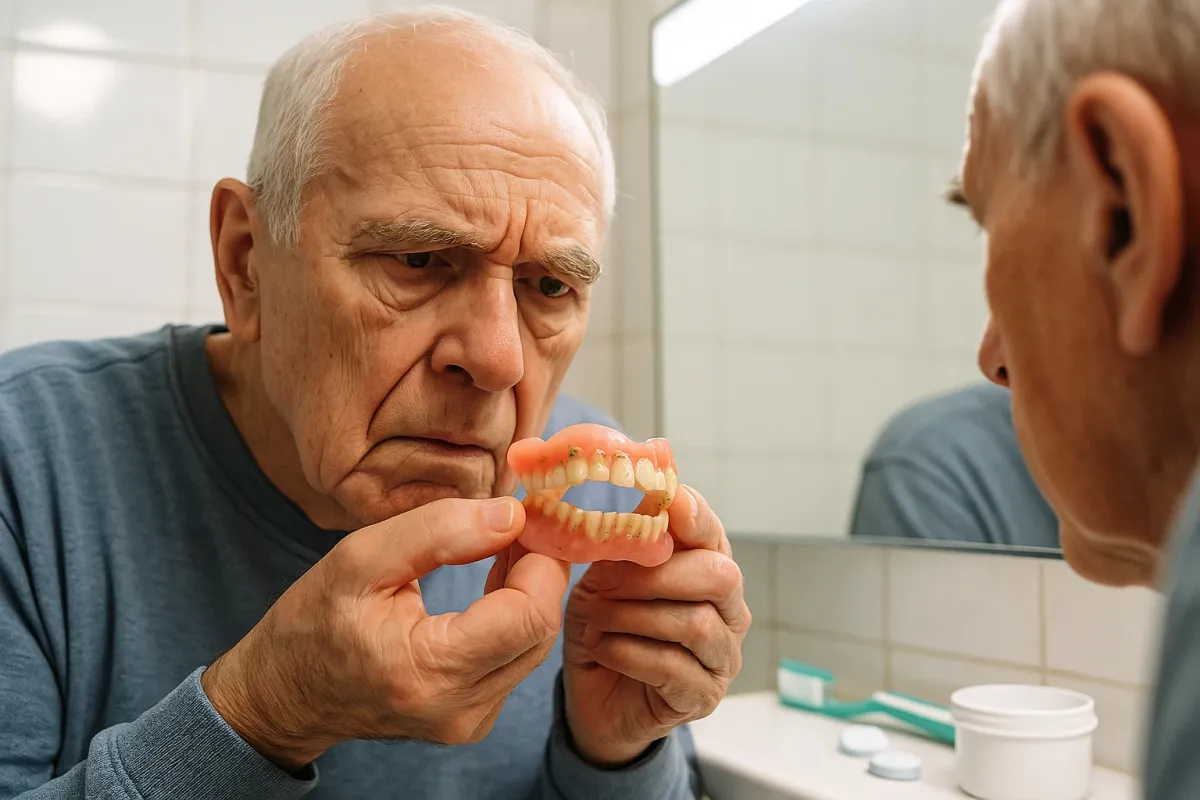
Adopt a quarterly “fit audit” at home. In good light, inspect the pink acrylic base for hairline cracks, whitening at stress points, or areas where the surface feels slightly rough. Note any new sore spots, pressure lines on your gums after removal, or food trapping in familiar locations. If your denture starts to rock slightly when you bite gently on both sides, or if you find yourself using more adhesive than you did six months ago, treat those signals as you would a misaligned element in a luxury design—worth professional correction before it becomes visible failure. Schedule timely relines or adjustments rather than tolerating minor discomfort; it’s far easier for your clinician to refine fit proactively than to repair damage caused by months of friction and instability.
Discreet Elegance: Odor Control as a Daily Design Choice
In the same way that good kerning makes text feel quietly “right” without shouting for attention, excellent denture hygiene should be invisible to everyone but you. Unpleasant odors are often not a sign of poor hygiene overall, but of one missing detail in an otherwise careful routine. Bacteria and fungi thrive in microscopic textures, on the underside of dentures, and in tiny cracks around clasps or attachments.
Upgrade from a basic rinse‑and‑brush approach to a more layered strategy: mechanical cleaning (brushing), chemical control (soaking), and environmental management (keeping your storage case impeccably clean and dry when not in use). Replace storage containers regularly; over time, scratches inside the case itself can harbor odors that transfer back to a freshly cleaned denture. Consider discussing professional ultrasonic cleaning with your dental provider once or twice a year—this deeper cleanse, similar to the way professionals maintain fine jewelry, removes embedded deposits that at‑home methods can’t reach. The result is a denture that not only looks pristine but remains discreetly fresh in close conversation, even in the most intimate or high‑stakes social settings.
Conclusion
Today’s fascination with mis‑spaced signs and design mishaps is more than entertainment; it’s a reminder that the smallest details often have the largest impact. For denture wearers who value refinement, maintenance is not a chore but a craft—a daily opportunity to protect both comfort and confidence.
By cleansing with precision rather than force, honoring the invisible margin between denture and tissue, transforming soaking into a purposeful treatment, auditing fit before problems arise, and elevating odor control to an art, you create a standard of care that matches the sophistication of modern prosthetics. In a world increasingly attuned to the power of tiny details—from typography to photography—your dentures deserve nothing less than meticulous, elegantly executed maintenance.
Key Takeaway
The most important thing to remember from this article is that this information can change how you think about Maintenance Tips.