There is a reason the internet is currently mesmerized by those viral photo sets of artisans turning raw blocks of wood into exquisite furniture and sculpture. The trending article “50 Times People Made Something Amazing Out Of Wood” isn’t just about carpentry—it’s about devotion to detail, patience, and ongoing care. In 2025, craftsmanship content is having a cultural moment, and the message is unmistakable: beautifully made things only stay beautiful when they’re maintained with intention.
For denture wearers, this shift toward “slow craft” is more than aesthetic inspiration—it’s a masterclass in how to treat your prosthetic teeth. Just as a handcrafted walnut table demands the right oils, cloths, and climate, premium dentures demand a refined maintenance ritual. The difference between a serviceable smile and an exquisite, enduring one often lies not in what you bought, but how you care for it week after week.
Below, we translate today’s woodworking obsession into five elevated, highly specific maintenance insights—designed for denture wearers who appreciate craftsmanship, longevity, and quietly impeccable standards.
1. Treat Your Dentures Like Fine Wood: Avoid Harsh “Stripping” at All Costs
In the viral woodworking series, the most striking before-and-after shots are never achieved with aggressive sanding alone. Master woodworkers know that stripping wood brutally can destroy its grain and integrity. Similarly, many denture wearers unknowingly “strip” their prosthetics with harsh methods that cause microscopic damage over time.
Avoid abrasive toothpaste (including many labeled “whitening”) and stiff-bristled brushes, which can roughen the acrylic surface. On a microscopic level, those micro-scratches act like the open pores of unfinished timber—perfect niches for stain molecules, bacteria, and odor. Instead, use a soft-bristle denture brush or ultrasoft toothbrush with a non-abrasive denture cleanser. Keep water lukewarm; very hot water can warp acrylic the way excessive heat can distort fine wood. Think of each cleaning as a gentle polish, not a scrub-down. The goal is to preserve the sleek, factory-finished surface that resists plaque and discoloration, just as a well-maintained varnish resists water rings and wine spills.
2. Learn from Studio Humidity: Master the “Micro-Climate” of Your Dentures
In high-end wood studios, climate control is non-negotiable: humidity and temperature are carefully monitored to prevent warping, cracking, and premature aging. Your dentures have their own “micro-climate” needs—both in and out of your mouth.
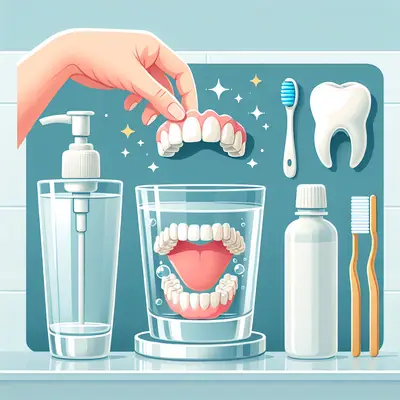
When not wearing your dentures, never leave them exposed to air on a bedside table or in a tissue. Drying out acrylic and resin components can lead to subtle dimensional changes, micro-cracks, and warping, much like leaving an heirloom wood piece in direct sun or next to a heater. Instead, store them in a covered container filled with fresh water or a recommended soaking solution, ensuring the appliance is fully submerged. When in your mouth, saliva acts as a natural “climate stabilizer,” but if you suffer from dry mouth (a frequent side effect of many modern medications), your oral environment becomes the equivalent of a parched studio. Discuss saliva substitutes or hydrating gels with your dentist, and avoid constant sipping of sugary drinks, which can create a sticky, hostile climate for both dentures and remaining natural teeth.
3. Adopt a “Finisher’s Eye”: Regularly Inspect, Don’t Just Clean
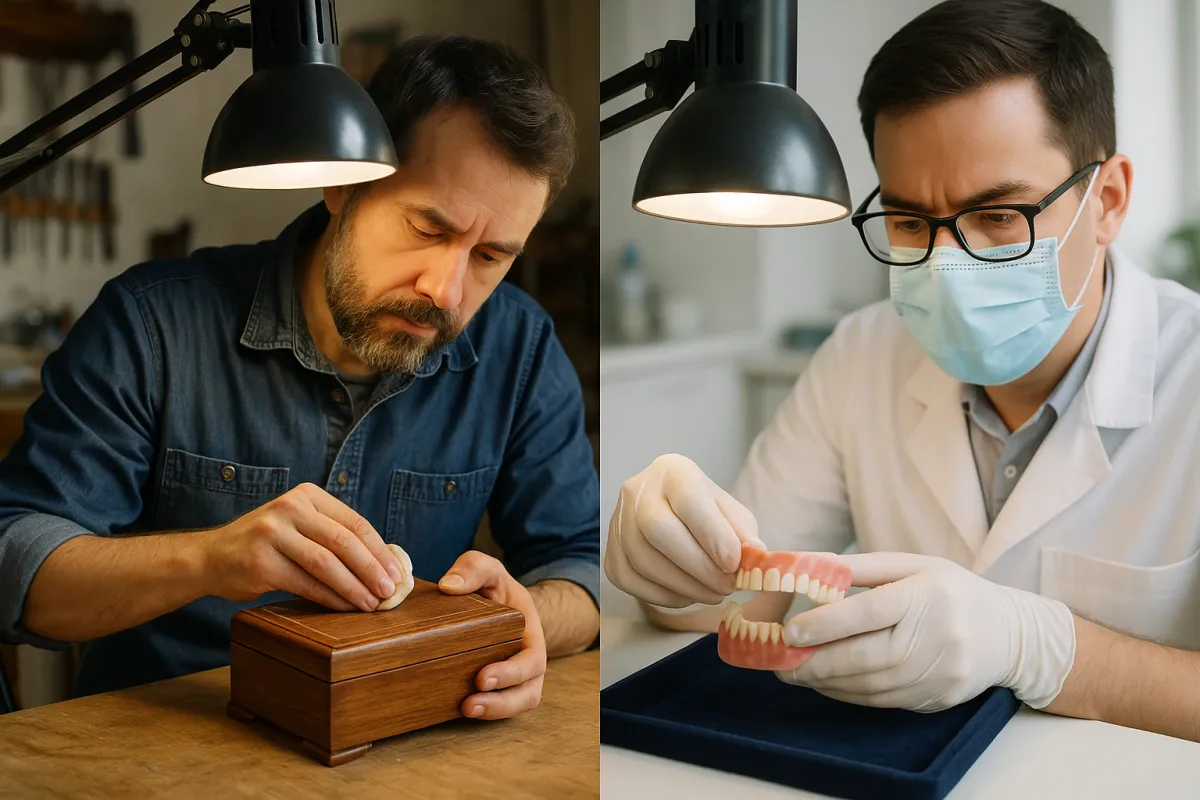
In the trending woodworking photos, what separates an amateur project from a gallery-caliber piece is the finisher’s eye: the ability to spot the smallest imperfection, hairline crack, or uneven sheen before it becomes a glaring flaw. Sophisticated denture wearers should cultivate the same visual discipline.
At least once a week, inspect your dentures under bright, even light. Look closely at the junction where the pink acrylic meets the teeth, the palate surface, and any clasps or attachments. You’re not just checking for obvious stains—you’re searching for fine surface crazing, tiny chips near the biting edges, or subtle rough spots that feel different to your tongue. These early signs mirror the faint checking or dull patches a woodworker sees before a finish fails. Bring any changes to your dentist’s attention promptly; small adjustments or a professional polish now can prevent fractures, sore spots, and expensive remakes later. Think of this as your “quality-control ritual,” not an optional extra.
4. Respect the “Load”: Balance Your Bite Like a Handcrafted Chair
In those viral wood creations, chairs and tables are designed with load distribution in mind—too much weight on a single joint, and even the most beautiful piece will creak, loosen, or break. Your dentures are engineered with similar structural logic. When the bite forces are unbalanced, tiny stresses accumulate in specific zones, risking fractures, looseness, or chronic sore spots.
Avoid developing a “favorite side” for chewing, especially on hard foods. Repeatedly using the same quadrant is like always sitting on the same corner of a delicate chair. Instead, consciously alternate sides with tougher textures—nuts, crusty bread, crisp vegetables—so the occlusal load is shared. If you notice rocking when you bite down, clicking sounds, or pressure points on your gums, treat that as the equivalent of a wobbling table leg: it demands professional adjustment, not simply more adhesive. A skilled dentist can fine-tune contact points, much like a woodworker subtly reshapes a joint to carry weight elegantly and silently.
5. Embrace Scheduled “Refinishing”: Professional Maintenance as a Luxury Standard
The most admired wooden masterpieces do not stay flawless by chance. They undergo periodic refinishing—careful cleaning, re-oiling, buffing, and subtle repairs—to preserve both function and luster. Your dentures deserve the same level of curated upkeep.
Plan on routine professional checkups not just to examine your oral tissues, but specifically to evaluate the condition and fit of your dentures. Over time, your jawbone and gums remodel, even if your dentures are impeccably cared for. Relining, rebasing, or high-polish refinishing at appropriate intervals can restore intimate fit, smoothness, and natural gloss. Think of this as sending a luxury handbag to an official spa, or a fine instrument to a master luthier—an affirmation that what you own is worthy of expert hands. At home, complement this with a refined nightly ritual: a dedicated, non-metal cleaning container, fresh soaking solution (never “topped up” over several days), and a final rinse under cool water before wearing. The cumulative effect is the same as elite craft care: discreet, enduring elegance.
Conclusion
As the internet celebrates extraordinary woodworkers transforming plain timber into art, we are quietly reminded that beauty is a process, not a purchase. The same philosophy elevating handcrafted oak tables and sculpted maple bowls applies elegantly to dentures: respect the material, control the environment, inspect with discernment, balance the load, and commit to scheduled refinement.
In an age where fast fixes and disposable everything dominate, intentional denture maintenance is a quiet luxury—a way of signaling, to yourself most of all, that your smile is a crafted asset worthy of care. Adopt the mindset of the modern maker, and your dentures will not merely function; they will age with the poise and confidence of a finely made object, tended by someone who understands that true sophistication lives in the details.
Key Takeaway
The most important thing to remember from this article is that this information can change how you think about Maintenance Tips.