For many people, a beautiful smile has become the ultimate status symbol—on par with designer handbags and luxury travel. The recent, deeply troubling story of the 31‑year‑old mother now on life support after traveling to Vietnam for cut‑price plastic surgery has cast a harsh spotlight on what happens when beauty ambitions collide with medical risk. While that case centers on cosmetic surgery inspired by celebrity aesthetics—reportedly Kylie Jenner’s transformation—the underlying issue runs far deeper: how far are we willing to go, and what are we willing to compromise, for a different face or smile?
At Denture Care Guide, we see the same dynamic play out quietly in dentistry and denture care. Patients travel abroad for “bargain” full‑mouth makeovers, aggressive tooth extractions, and fast‑track dentures, often seduced by viral before‑and‑after images and too‑good‑to‑be‑true price tags. Yet the true cost only becomes visible later: chronic pain, poorly fitting dentures, infection, bone loss, and a smile that looks more artificial than aspirational. In the wake of today’s headline, it’s an important moment to pause and rethink what premium, safe smile transformation really means.
Below are five exclusive, refined insights for discerning denture wearers—and for anyone considering a major smile change—who want elevated aesthetics without compromising health, dignity, or long‑term comfort.
1. The New “Luxury” Is Longevity, Not Just Instant Transformation
The tragedy of overseas cosmetic complications highlights a modern obsession with immediacy: an entirely new look in a single trip, a radically altered face or smile in a matter of days. Dentistry is not immune. Packages promising “instant Hollywood teeth” or full‑mouth extraction and dentures within 24–48 hours mirror the same high‑risk logic we’re now seeing in global plastic surgery tourism.
For denture wearers, genuine luxury is not defined by speed; it’s measured in how gracefully your prosthetics age with you. A premium denture strategy is deliberately staged: conservative extractions where possible, time for gums and bone to heal, provisional dentures before final ones, and meticulous adjustments instead of rushed “one‑and‑done” fittings. Shortcuts can leave you with a denture that looks glamorous on day one but causes ulcers, slipping, and speech difficulties by month three.
Ask any provider—local or abroad—very precise questions: How many appointments are planned? What is the healing timeline? How are follow‑up adjustments handled if you’re in another country? A truly high‑end approach never hinges your long‑term oral health on a compressed travel itinerary.
2. True Aesthetics Go Beyond “Kylie Teeth”: They Honor Your Natural Proportions
The news story about a young mother allegedly chasing Kylie Jenner’s aesthetic is a poignant example of the danger in copying a celebrity’s look wholesale. In dentistry, there’s a parallel trend: patients requesting “Kylie veneers,” “Instagram teeth,” or a specific influencer’s smile shape—and some clinics are all too willing to oblige, regardless of whether those proportions suit the individual’s face.
Premium denture aesthetics are, by contrast, deeply individualized and anatomically grounded. A refined denture specialist studies your facial symmetry, lip support, skin tone, age, and even the way you laugh or speak. Subtle gradations in tooth translucency, gentle variation in tooth length, and nuanced color matching to the whites of your eyes create a result that reads as “effortlessly natural,” not “obviously cosmetic.”
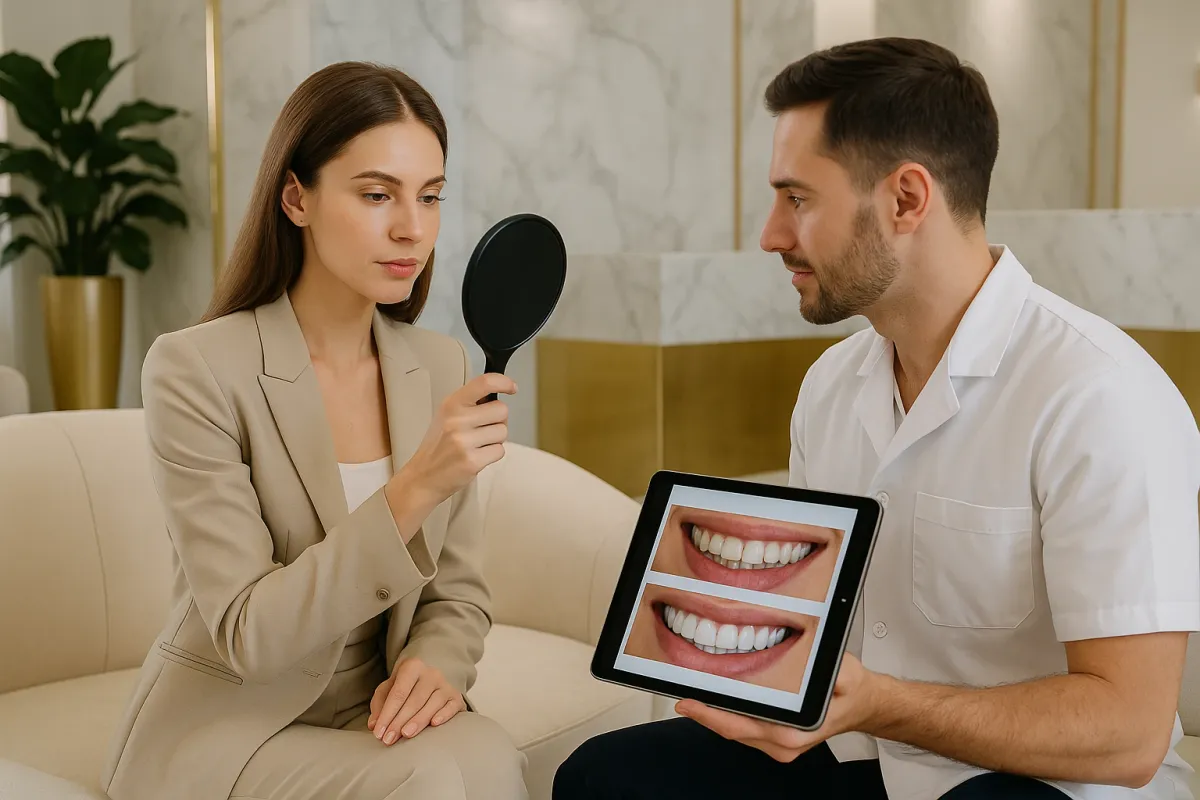
If a provider simply offers a standard “celebrity template” smile for everyone, treat it as a red flag. Ask to see case studies of patients who resemble you in age and facial structure. Request a wax try‑in or digital mock‑up that allows you to assess tooth size, color, and lip support before anything is finalized. The most elegant denture is the one that makes people say, “You look incredible—have you been sleeping better?” rather than “Did you get new teeth?”
3. Silent Complications: Why Aftercare Is the Real Marker of Excellence
In the Vietnam surgery case, much of the current outrage online stems from fears that the patient may not have had robust safeguards or adequate post‑operative care. The same subtle, less visible gaps can exist in dental tourism and even in your own city: procedures are marketed heavily, but long‑term follow‑up is treated as an afterthought.
Refined denture care is, at its core, an aftercare philosophy. The most sophisticated clinics design your care pathway starting from the day after you receive your denture, and extending years into the future. Expect a truly premium dentist or prosthodontist to:
- Schedule proactive review visits (e.g., after 1 week, 1 month, 3 months, and annually)
- Re‑line or adjust your denture as your gums and bone subtly change shape
- Monitor for pressure spots that can lead to ulcers and, in vulnerable patients, infection
- Screen for oral cancers and fungal infections beneath the denture base
- Reassess your bite and jaw joint health as you adapt to your new prosthetics
If you’re traveling for care, insist on a clearly documented follow‑up plan that can be handed off to a trusted provider at home. Obtain complete records: impressions, bite registrations, materials used, and any implant details. Elegant dentistry is never opaque; it respects you enough to make your own health history portable and understandable.
4. Material Matters: Why “Premium Denture” Is More Than a Marketing Tagline
Just as not all cosmetic surgery facilities abroad are created equal, not all dentures labeled “premium” genuinely are. Behind the polished marketing, some clinics rely on basic, low‑cost acrylic teeth in generic shapes and shades that dull and wear quickly—much like knockoff designer goods that look passable at first glance but age poorly.
Discerning denture wearers should look for transparency about materials and craftsmanship. Important, elevated details include:
- High‑impact, stain‑resistant acrylic bases that resist fractures and discoloration
- Layered, lifelike denture teeth with built‑in translucency and natural shade variation
- Precision manufacturing (e.g., digital CAD/CAM milling or high‑end injection molding) that enhances fit and minimizes rough edges
- Subtle characterization—tiny gradations, gum shading, and tooth anatomy that avoid the “white plastic” look
Ask explicitly which brands and lines are being used for your denture teeth and base materials; reputable names in dental prosthetics are a sign you’re not getting the equivalent of a fast‑fashion smile. Your goal is a prosthesis that still looks poised and polished five years from now, not just the day you leave the clinic and post a photo.
5. Emotional Readiness Is as Crucial as Clinical Readiness
The woman in the current plastic surgery story was reportedly motivated, at least in part, by admiration for a media figure’s transformation—a phenomenon many people recognize in themselves. This emotional undercurrent is often overlooked in dental decision‑making as well. People rush into extractions and full dentures because they’re exhausted by years of dental problems, ashamed of their teeth, or longing for a clean slate.
Yet dentures represent a profound identity shift. Losing natural teeth—whether to decay, trauma, or elective full extraction—can stir grief, regret, or unexpected vulnerability. A truly high‑end provider doesn’t ignore this; they invite a nuanced conversation about your motivations, expectations, and fears.
Before you commit to a radical change, consider:
- Have you explored conservative options (segmental restorations, partials, or implants) that maintain some natural structure?
- Are you seeking dentures to solve deeper emotional pain—self‑esteem, relationship pressures, social anxiety—that might require parallel support (therapy, coaching, or body‑image work)?
- Do you understand the daily realities of denture life: cleaning rituals, occasional adjustments, the feel of acrylic vs. enamel, and the adaptation period for speech and chewing?
An emotionally aligned decision is the ultimate luxury: it means waking up years later still content with your choice, not haunted by what was sacrificed in the pursuit of an idealized smile.
Conclusion
The heartbreaking case of a young mother now fighting for her life after a cosmetic trip abroad is a sobering reminder that beauty decisions are never just about appearance. They are health decisions, safety decisions, and, ultimately, quality‑of‑life decisions. In the world of denture care and smile makeovers, the same lesson applies with unwavering clarity.
A refined, premium approach to dentures is not defined by how dramatic the before‑and‑after looks on social media or how quickly the transformation happens. It is defined by meticulous planning, individualized aesthetics, transparent materials, robust aftercare, and deep respect for your emotional wellbeing. If the headlines of today teach us anything, it is this: the most exquisite smile is the one achieved without gambling with your health or your future.
If you are contemplating major dental work or transitioning to dentures, treat the process with the same discernment you’d apply to any serious investment: ask difficult questions, insist on evidence, and choose the path that honors not just your reflection, but your long‑term wellbeing.
Key Takeaway
The most important thing to remember from this article is that this information can change how you think about Denture Care.