In workplaces across the country, people are increasingly unwilling to tolerate discomfort—especially when they have paid for something designed to support them all day. A recent viral story about an $1,800 Herman Miller Aeron office chair being repeatedly “borrowed” by a coworker, ultimately ending in an on‑the‑spot arrest, has become a symbol of this shift. The message is clear: when you invest in comfort and performance, you protect it. You do not leave it to chance, neglect, or other people’s casual habits.
For discerning denture wearers, the parallel is unmistakable. Just as that premium chair is engineered to support the body with precision, your dentures are meticulously crafted to support your bite, your facial structure, and your confidence. And just as ergonomic seating requires thoughtful care to maintain its function and finish, high‑quality dentures demand a maintenance ritual worthy of their craftsmanship.
Below, we translate the “luxury chair mindset” into five exclusive, practice‑ready insights for elevated denture maintenance—designed for those who regard oral prosthetics as an investment, not an afterthought.
Guard the Fit Like an Executive Guards Their Chair
An Aeron chair is famous for its calibrated ergonomics—slight changes in height or lumbar tension are immediately noticeable to its owner. Dentures are no less sensitive. The fit you receive after expert adjustment is a carefully tuned relationship between your gums, bone structure, and prosthetic surface. Tiny, gradual changes—bone resorption, weight fluctuation, minor gum irritation—can disrupt that harmony long before pain appears.
Treat your denture fit as corporate executives treat their seating: non‑negotiable. Schedule regular “fit audits” with your dentist or prosthodontist, even if you feel only the faintest pressure point or a subtle change in how your teeth meet. Do not normalize small sores, new clicking sounds, or the habit of “just using a little more adhesive.” These are early warning signals that your prosthesis is compensating for a structural change in your mouth. Pursuing proactive relining, rebasing, or adjustment not only preserves comfort but also protects the underlying bone from disproportionate stress—much like adjusting a chair prevents chronic back strain.
Elevate Cleaning From Routine Chore to Daily Ritual
Owners of premium office furniture follow strict guidelines: no harsh cleaners, no abrasive brushes, no shortcuts that damage the mesh or coating. The same refined discipline should apply to your denture care. A perfunctory rinse under the tap is the oral equivalent of wiping a leather executive chair with dish soap—convenient, but quietly destructive.
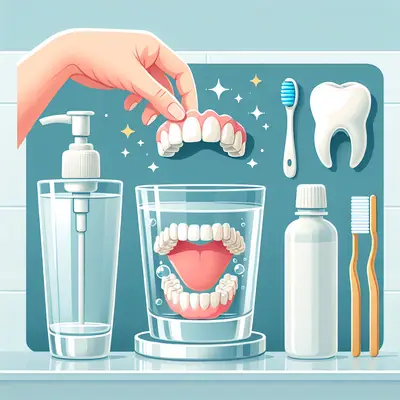
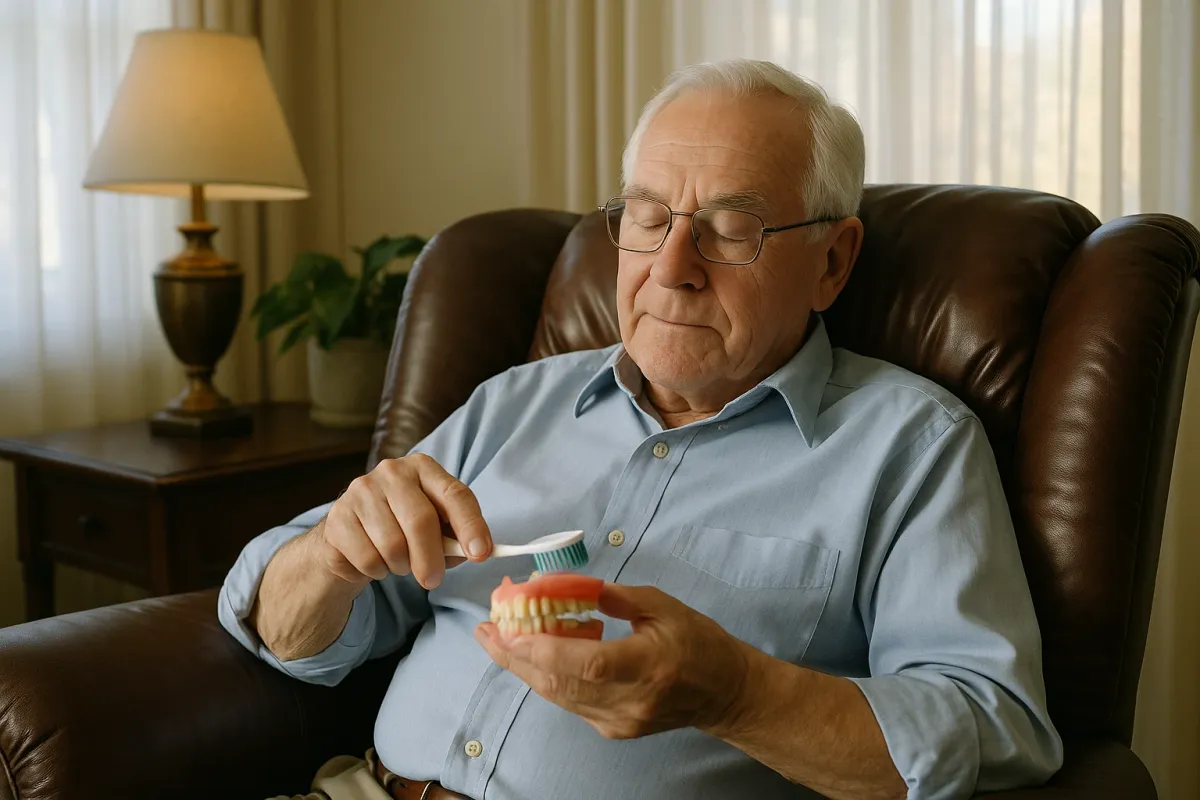
Transform cleaning into a deliberate, evening ritual. Remove your dentures with clean, dry hands and rinse away surface debris under lukewarm, not hot, water. Use a denture‑specific brush with soft bristles and a non‑abrasive denture cleanser; ordinary toothpaste is too harsh and can create microscopic scratches where bacteria thrive. Pay particular attention to the tissue‑contacting surface and any clasp areas on partial dentures—these zones are the “support frame” of your appliance, and buildup here quickly compromises both hygiene and fit. Once cleansed, store them in a fresh denture‑soaking solution or cool water, never dry and never in hot liquid. The goal is not merely cleanliness, but preservation—of shine, of shape, and of structural integrity.
Respect the “Weight Limit”: Chewing with Intelligent Restraint
The Herman Miller story ignited discussion about people abusing equipment not meant for them—leaning, perching, or using high‑end chairs as communal property. Dentures, likewise, have design parameters. They are engineered for balanced, thoughtful chewing, not for reckless tests of strength. Biting into ultra‑hard foods (uncracked nuts, ice cubes, hard candies), tearing at foods with the front teeth, or using dentures to “help” open packaging are all forms of misuse that mimic standing on the armrests of an office chair.
Cultivate an elegant, controlled approach to eating. Cut tougher foods into smaller, bite‑sized pieces, and distribute chewing evenly on both sides to stabilize the denture base. Avoid habits that exert localized, vertical force on a single tooth, such as snapping off threads or crunching ice. If you wear an overdenture supported by implants, remember that while your system is more robust, it is not indestructible: respect the loading recommendations your clinician provides. Intelligent restraint today preserves the precision of your occlusion tomorrow.
Protect the “Finish”: Aesthetic Preservation as Daily Discipline
The owner of a high‑end chair is acutely aware of its finish—fabric, mesh, or leather. Spills are blotted immediately, UV exposure is minimized, and abrasive contact is avoided. Denture aesthetics deserve the same vigilance. Acrylic and composite teeth can stain, dull, or micro‑crack when exposed to the wrong agents, quietly transforming a luminous smile into a slightly tired one over time.
If you enjoy espresso, red wine, dark teas, or richly pigmented sauces, follow them with a sip of water to gently rinse your mouth. Completely avoid household cleaners, bleach, or whitening toothpastes on your dentures; these can weaken material and strip away their lustre. If staining accumulates despite careful home care, request a professional denture polish during your routine dental visits—this is the refined equivalent of having your chair reconditioned by an authorized service team. The goal is not an artificially “perfect” smile, but a well‑kept one: subtly bright, impeccably clean, and convincingly natural.
Claim Ownership of Your Prosthetics—In Every Sense
The viral office‑chair incident also touched a nerve around boundaries and ownership: when something is precisely tailored to support you, it is not communal property. Your dentures, though smaller and more discreet, represent a similarly intimate investment. True maintenance extends beyond cleaning and fit; it includes how you store, transport, and advocate for them.
At home, designate a specific, safe location for your denture case—away from pets, curious grandchildren, and precarious bathroom edges. While traveling, carry your denture case, cleanser tablets, and a small brush in your hand luggage, never solely in checked bags; lost luggage should never mean lost function. If you undergo medical procedures, insist that your dentures are stored in a labeled case, not wrapped in tissues or left on trays where they can be misplaced. And most importantly, advocate for yourself clinically: bring up the slightest concern with your oral health team, from a hairline crack to a faint clicking sound. Just as the Aeron owner presented proof of ownership when confronting the chair thief, bring a clear, informed voice when protecting the integrity of your prosthetics.
Conclusion
The $1,800 chair saga may seem, at first glance, like office gossip elevated to headline status. But beneath the drama lies a quiet, modern truth: we are entering an era where people are unapologetically protective of their comfort, their investments, and the tools that allow them to work and live elegantly.
Your dentures occupy precisely that category. They are not mere replacements for lost teeth; they are meticulously engineered instruments of function, appearance, and self‑assurance. When you safeguard the fit, elevate cleaning to a ritual, chew with intelligent restraint, preserve the aesthetic finish, and confidently claim ownership of your prosthetics, you bring a luxury mindset to everyday oral care.
The result is not ostentatious—it is simply refined: a smile that works as beautifully as it looks, supported by maintenance habits as disciplined as any boardroom executive’s standards for the chair beneath them.
Key Takeaway
The most important thing to remember from this article is that this information can change how you think about Maintenance Tips.