A recent headline about a 31‑year‑old mother left on life support after traveling to Vietnam for plastic surgery has dominated social feeds—and for good reason. In a world captivated by transformation, her story is a sobering reminder that beauty decisions are never just “cosmetic.” They are medical, lifestyle, and long‑term health choices all at once.
While her case centers on plastic surgery rather than dentistry, the underlying lesson is strikingly relevant to anyone who wears dentures or is considering them: high‑risk shortcuts, bargain procedures, and minimal aftercare can turn an aesthetic upgrade into a serious health crisis. Just as influencers and reality‑TV culture have normalized “quick fixes” to chase a Kylie Jenner–style transformation, many denture wearers are quietly tempted by fast, cheap options—both for treatment and ongoing maintenance.
For those who view their smile as a premium investment rather than a disposable accessory, now is the time to elevate denture care from basic hygiene to a refined, daily ritual of protection. Below are five exclusive, high‑level maintenance insights inspired by today’s beauty headlines—crafted for denture wearers who refuse to compromise on health, comfort, or aesthetics.
1. Treat Your Denture Routine Like Post‑Op Care—Not Casual Grooming
In the plastic‑surgery world, surgeons consistently emphasize that outcomes are only as good as the aftercare. The tragic case of a young mother on life support after an overseas procedure underscores what can happen when medical risk, standards, and post‑treatment monitoring are not taken seriously enough. Dentures may not seem as dramatic as surgery, but they are still a medical device resting against living tissue, 12–18 hours a day.
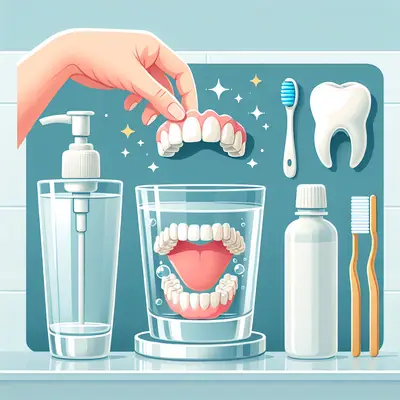
Approach your denture maintenance as clinically as a surgeon would approach a post‑op protocol. That means a consistent, structured routine: remove and rinse after every meal, a dedicated evening cleansing ritual, and a morning inspection before wear. Instead of a quick rinse under the tap, use a non‑abrasive denture cleanser recommended by your dentist, and soak the prosthesis long enough for the solution to work fully (usually 15–30 minutes or overnight, depending on the product). Think of this as sterilizing delicate surgical instruments—not just “washing something plastic.” Avoid hot water, harsh household cleaners, and whitening toothpaste, which can warp or scratch the surface, creating micro‑niches for bacteria. When you treat your dentures as medically significant devices rather than beauty accessories, you dramatically reduce your risk of infections, sores, and long‑term oral complications.
2. Elevate “Medical Tourism” Thinking: Cheap Products and Quick Fixes Carry Hidden Costs
The current headline about a life‑threatening plastic surgery trip to Vietnam mirrors a larger global pattern: people traveling for lower‑cost aesthetic procedures without fully understanding the risk profile, regulatory environment, or follow‑up care. A quieter, but related trend is emerging in the denture space. Online marketplaces are filled with ultra‑cheap denture cleansers, DIY relining kits, “instant teeth,” and unregulated adhesives promising dramatic results at a fraction of the price.
Premium denture care means resisting the lure of unknown sources and unverified formulations—even when they promise convenience or savings. Cheap, highly fragranced cleansers can irritate tissue and cause allergic reactions. Abrasive powders can roughen your denture’s polished surface, accelerating staining and harboring bacteria. Unregulated relining kits may alter the fit, stressing your gums and joints or damaging the denture base permanently. Instead, invest in products with dental or medical‑grade credentials, transparent ingredient lists, and strong clinical backing. If it’s going in your mouth for hours every day, it deserves the same level of scrutiny you would apply to a medication, not a beauty gadget. In the long run, a curated, trustworthy maintenance regimen is still far less costly—financially and medically—than corrective treatment after damage is done.
3. Adopt a “Soft‑Recovery Diet” for Your Mouth: Daily Food Choices That Preserve Fit and Finish
Post‑surgery patients are often put on special “soft” diets to protect healing tissues and implants. Denture wearers can borrow this logic, not just after extractions, but as a long‑term strategy for maintaining the precision fit and refined look of their prosthesis. While dentures are resilient, they are not indestructible—and the forces of daily chewing, combined with certain foods, can gradually distort, stain, or stress them.
Reserve very hard, sticky, or “grabby” foods—like tough caramel, taffy, hard nuts, or ice—for extreme moderation, if at all. These can create leverage that loosens your denture, strains adhesive, and causes micro‑cracks. Similarly, deeply pigmented drinks such as red wine, black coffee, and dark sodas can accelerate staining, especially if your denture has micro‑scratches from improper cleaning. A refined denture‑friendly diet emphasizes tender proteins, steamed vegetables, ripe fruits, and well‑cooked grains, with beverages sipped through a straw when possible to reduce direct staining contact. After enjoying more intense foods or drinks, a quick lukewarm rinse with water or an alcohol‑free mouthwash helps minimize residue. Think of your daily menu as part of your maintenance strategy—curated to preserve finish, comfort, and longevity, rather than just to get through the meal.
4. Schedule “Wellness Checkups” for Your Dentures—Not Just Emergency Visits
In the wake of the current plastic‑surgery crisis, many experts are reminding the public: follow‑up visits and monitoring are non‑negotiable, especially after any invasive or aesthetic procedure. Denture wearers often neglect this principle. Once the denture is delivered and feels “fine,” it’s easy to skip annual or semiannual checkups—until pain, ulcers, or fractures force an urgent appointment.
A premium approach treats professional denture maintenance like routine wellness care, not a crisis response. At least once a year—ideally every six months—schedule a dedicated review with your dentist or prosthodontist. During these visits, your clinician will evaluate the fit (as your gums and bone continue to change), check for hidden fractures, polish away microscopic surface roughness, and look for early signs of infections or oral lesions beneath the denture. Subtle adjustments now can prevent dramatic discomfort later. This is also the ideal time to evaluate whether your cleansing products, adhesives, and daily habits are still aligned with your oral health, medications, and lifestyle. Just as high‑end skincare is periodically reassessed by professionals, your denture regimen deserves the same level of ongoing expert calibration.
5. Protect the Tissues Behind the Smile: Premium Care Extends Beyond the Denture Itself
The woman now on life support after chasing a Kylie Jenner–inspired transformation reveals an overlooked truth: aesthetic decisions always impact the body behind the beauty. For denture wearers, that means remembering the soft tissues and bone beneath your prosthesis are the real foundation of your smile. A denture can look flawless while the gums beneath are inflamed, thinning, or infected.
Make “tissue care” a deliberate, daily ritual. Once your dentures are removed, gently brush your gums, palate, and tongue with a soft toothbrush or a dedicated ultra‑soft brush, using a mild, non‑foaming cleanser or simply water if your mouth is sensitive. This stimulates circulation, reduces plaque, and keeps the tissue resilient. Give your mouth a nightly rest period—at least 6–8 hours without dentures—to allow the mucosa to recover from pressure and friction. If you smoke, vape, or frequently consume alcohol, be aware these habits significantly increase your risk of oral lesions and infections under the denture; discuss tailored screening intervals with your clinician. Finally, be alert to small but persistent changes: subtle red patches, frequent sore spots, or a “burning” sensation. In a premium care model, these are not annoyances to be ignored but early indicators that warrant a professional look. The true luxury is not just a radiant prosthetic, but healthy, comfortable tissue that can support it for years.
Conclusion
Today’s unsettling plastic‑surgery headlines remind us that the pursuit of beauty is never trivial—and never without consequences. Whether it’s a trip abroad for a dramatic transformation or a quiet decision to cut corners on denture maintenance, the pattern is the same: when we treat medical choices like simple cosmetic upgrades, we invite unnecessary risk.
For discerning denture wearers, the path forward is clear. Elevate your denture care routine to the level of post‑op precision, resist the allure of cheap and unverified products, curate a diet that protects rather than punishes your prosthesis, commit to regular professional “wellness” visits, and honor the tissues beneath the smile with deliberate daily care. In an era obsessed with instant transformations and viral makeovers, a meticulously maintained denture is a quiet luxury—one that safeguards your health while delivering a confident, enduring, and authentically refined smile.
Key Takeaway
The most important thing to remember from this article is that this information can change how you think about Maintenance Tips.