The internet is once again debating faces, not feelings. From Cynthia Erivo’s endlessly discussed magazine covers to the relentless commentary on who looks “too old,” “too young,” or “suspiciously smooth,” today’s viral culture has turned aging into a spectator sport. As social feeds scrutinize every wrinkle, smile line, and profile shot, one truth quietly emerges: people are terrified of looking “done”–but equally afraid of looking “neglected.”
For denture wearers, this tension is especially familiar. Many of our readers tell us they want a smile that feels camera‑ready in any candid photo, yet absolutely no one wants the world to say, “Ah, those are dentures.” In an age where a single close‑up can go viral, discretion, craftsmanship, and care have become the new luxuries. Inspired by the current swirl of online “appearance discourse,” we’ve distilled five exclusive, expert‑level insights to help denture wearers move beyond fear of judgment and into a quieter, more elevated confidence—both on and off camera.
The New “Invisible Luxury”: Why Natural Imperfection Beats the Overdone Look
As social media critiques every celebrity red carpet appearance, one pattern is clear: audiences increasingly reject anything that looks overly “fixed.” The same is true for dentures. Ultra‑white, perfectly uniform teeth photograph well in product shots—but in real life, they can read as artificial, especially under harsh lighting or in high‑resolution images.
A truly premium denture today embraces subtle, intentional imperfection. Your prosthodontist can customize micro‑variations in tooth shape, slight gradations in translucency near the edges, and a shade that respects your skin tone, lip color, and age. Rather than defaulting to the brightest bleach shade, sophisticated wearers now request “editorial natural”—teeth that would look plausible in a close‑up portrait, not just a showroom. This approach not only protects you from the “overdone” look that social media loves to mock, it also harmonizes with your natural features so your smile becomes part of your face, not a separate, detachable statement.
Camera‑Ready Hydration: The Subtle Secret Behind a Luminous Smile
Scroll through any viral courtside date clip or awards‑show close‑up and you’ll notice something the comment sections often miss: the most expensive smiles are not just white—they’re hydrated. Dry lips and a matte gumline can make even a beautifully crafted denture look flat, brittle, and older than it is.
For denture wearers, targeted hydration is a quiet form of luxury. A non‑irritating, alcohol‑free mouth rinse can help maintain oral moisture without stripping tissues. Pair this with a high‑quality, non‑tingling lip treatment rich in ceramides or squalane to prevent the vertical lip lines that tend to draw the camera’s harsh attention. If you wear full upper dentures, speak with your clinician about managing dry mouth, especially if you take medications that reduce saliva. Saliva is a natural gloss: it supports comfort, helps the denture “seal” more predictably, and softens light reflection for a more lifelike finish in photos and in person.
Precision Fit as Emotional Armor: Reducing Social Anxiety in High‑Definition Moments
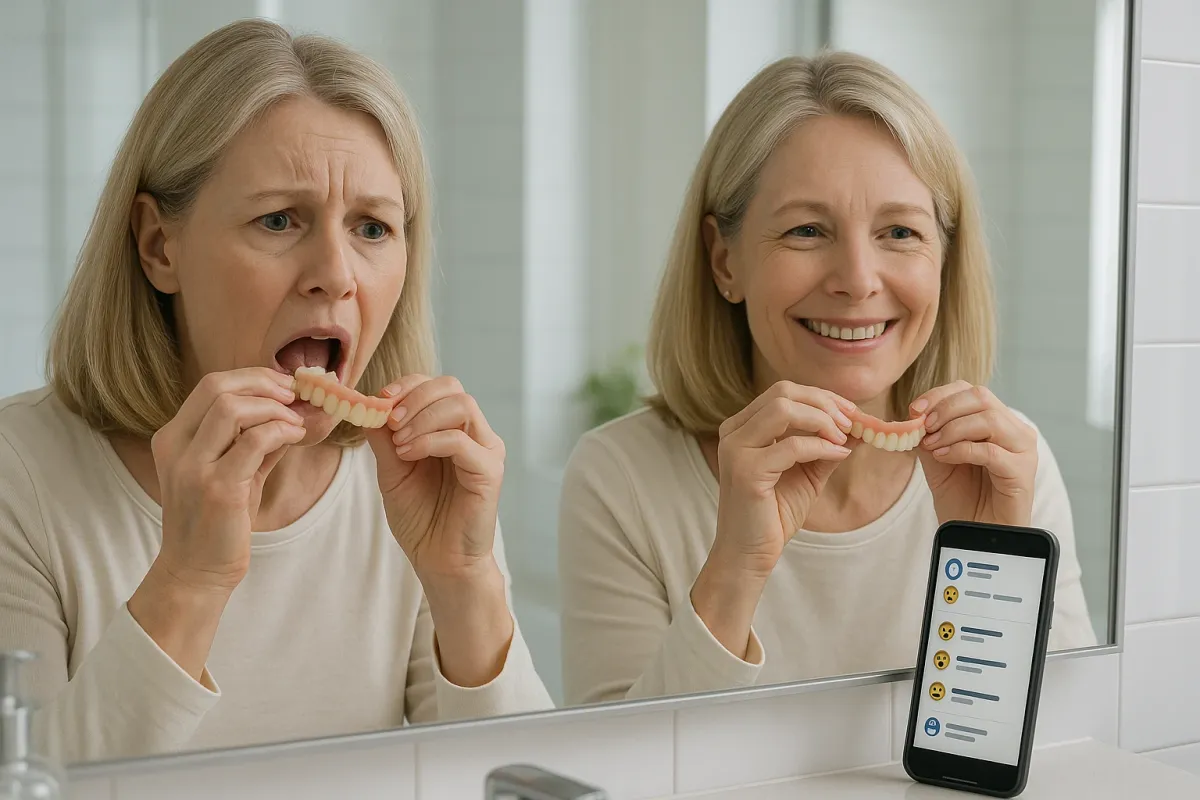
When the internet dissects every interaction—who held whose hand, who seemed “cold,” who looked “awkward”—small insecurities can quickly feel enormous. Ill‑fitting dentures are one of the most underrated sources of social anxiety: the constant awareness of movement, the fear of a slip during laughter, the hesitation to eat in public or smile widely for group photos.
A precision fit is no longer just a clinical standard; it is emotional armor. Modern tools such as digital impressions, 3D printing, and pressure‑mapping let clinicians fine‑tune the base so it hugs your anatomy with almost bespoke‑tailoring finesse. Regular micro‑adjustments—rather than waiting until soreness becomes unbearable—keep bite pressure balanced and speech more natural. The result is a psychological shift: you stop “managing” your dentures and start forgetting you’re wearing them. That quiet confidence reads instantly on camera and in real life: your smile becomes less guarded, your posture softens, and interactions feel more genuine, even in moments that might otherwise feel scrutinized.
Taste, Texture, and True Indulgence: Elevating How You Eat, Not Just What You Eat
As people online share horror stories about questionable meals and “foul” dishes endured out of politeness, many denture wearers quietly endure their own private compromises: avoiding crusty bread, skipping certain cuts of meat, or steering clear of sparkling beverages for fear of dislodging a plate. But sophisticated denture care is not merely about restoring function; it’s about reclaiming pleasure.
A premium approach involves matching your denture design—and your daily maintenance—to the textures you love. If you enjoy crisp fruits, lightly charred vegetables, or artisanal breads, your clinician can adjust occlusion (how teeth meet) to distribute force more comfortably and recommend specific chewing techniques that preserve both the prosthesis and your enjoyment. At home, a warm—not hot—water soak with a high‑grade, non‑abrasive cleanser helps keep surfaces ultra‑smooth, reducing food adherence so flavors remain clean and untainted. By curating both the fit and the ritual around your meals, you transform eating from a cautious necessity into an indulgent experience again.
Curated Routines: Treating Denture Care Like Fine Wardrobe Maintenance
The cultural fascination with “before and after” transformations has made people hyper‑aware of how small daily habits add up over time. Just as a well‑tailored coat or a handcrafted leather bag requires thoughtful maintenance, premium dentures deserve a curated care routine—elevated, intentional, and quietly luxurious.
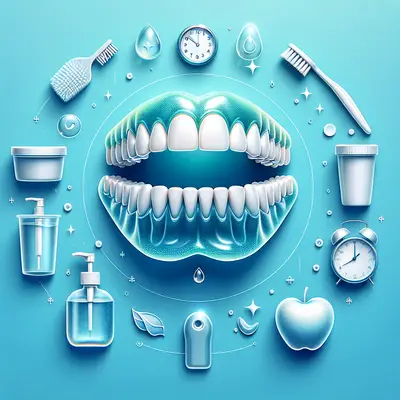
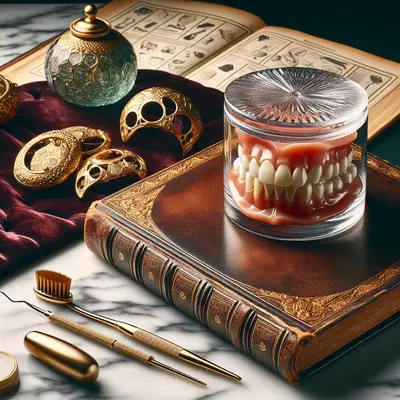
Think in terms of a capsule wardrobe for your smile: a soft, dedicated denture brush (never regular hard‑bristled brushes), a pH‑balanced cleanser for nightly soaking, and a gentle, non‑abrasive paste or gel approved for prosthetics when your dentist recommends it. Store your denture in fresh water when not in use—never dry—and change soaking solutions daily to prevent odor and film. Schedule check‑ups not simply when there is a problem, but seasonally, the way you might service a fine timepiece. This rhythm allows your clinician to refine the fit, polish surfaces to a glasslike sheen, and discreetly update esthetics as your face changes over time. The effect is subtle but unmistakable: your smile ages with you gracefully, instead of against you.
Conclusion
In a world where a simple candid can ignite thousands of comments about who looks “too this” or “not enough that,” the true luxury is a smile that feels entirely your own—unforced, undetectable as prosthetic, and resilient under any spotlight. Modern denture care is no longer merely about replacing missing teeth; it is about design, emotion, and daily ritual.
By embracing natural imperfection, prioritizing hydration, insisting on precision fit, reclaiming the pleasure of eating, and curating a maintenance routine worthy of a bespoke accessory, denture wearers can step into this hyper‑visual era with quiet confidence. The conversation about aging will continue to swirl online. Your task is beautifully simpler: ensure that, when you do smile, it feels like you—not a reaction to the latest trend, but a refined expression of who you are right now.
Key Takeaway
The most important thing to remember from this article is that this information can change how you think about Denture Care.