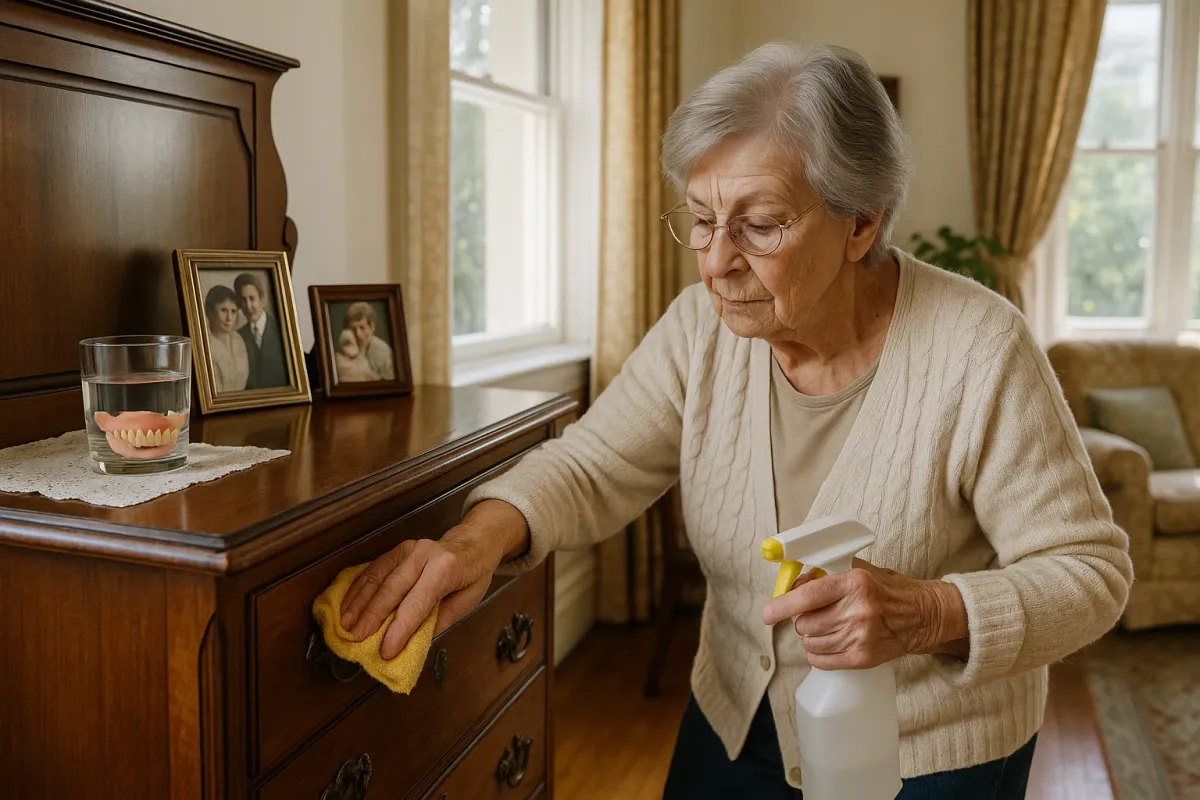
In design, truly exquisite things are not merely bought – they are maintained. This week, a widely shared photo series of beautifully preserved old houses has captivated the internet, celebrating craftsmanship that has quietly survived a century of daily life. Sun‑washed floorboards, meticulously restored moldings, and façades that look as poised today as they did generations ago are filling social feeds, reminding us that elegance is rarely an accident. It is the direct result of consistent, thoughtful care.
Your dentures are, in many ways, a piece of personal architecture – crafted, fitted, and entrusted to you to maintain. Just as those historic homes demand more than a quick coat of paint, premium dentures reward a more refined care ritual. Inspired by the renewed appreciation for long‑lasting craftsmanship in those trending heritage homes, here are five elevated maintenance insights designed for discerning denture wearers who expect their smile to age as beautifully as a well‑kept estate.
1. Treat Daily Cleaning Like Fine Restoration, Not Basic Housekeeping
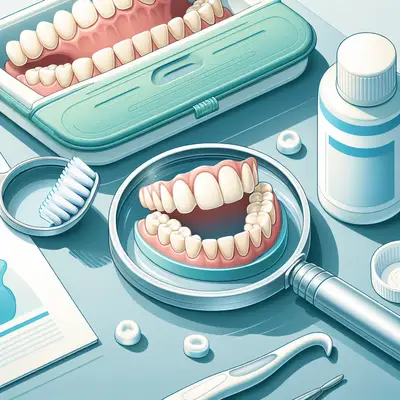
The restoration of historic homes isn’t rushed; every surface is considered, every product chosen for its compatibility with aged materials. Apply the same philosophy to your daily denture cleansing. Rather than scrubbing aggressively with whatever is at hand, opt for a purpose‑made, non‑abrasive denture cleanser and a soft brush, using small, deliberate circular motions. This preserves the texture and polish of the acrylic and, for partials, protects the integrity of any metal components.
Avoid hot water – just as excessive heat can warp wood panels or loosen original moldings, very hot water can subtly distort denture fit over time. Lukewarm water is the gold standard: comfortable, effective, and safe. And just as no conservator would use harsh household bleach on antique paneling, avoid any cleaners not specifically recommended by your dentist or the denture manufacturer. Gentle, consistent, and targeted care is what maintains both structure and sheen.
2. Respect “Structural Settling” – Your Mouth Changes, Even If Your Dentures Don’t
Many of the heritage homes trending online today stand flawlessly straight only because their owners routinely assess foundations, supports, and subtle shifts. Your mouth undergoes a similar, quieter “settling” – bone resorption, gum changes, and muscular adaptation all gradually influence the way your dentures fit, even when the prosthesis itself appears unchanged.
This is why annual (and often semi‑annual) professional checks are not a luxury; they are structural maintenance. A slight wobble, a new pressure point, or a hint of rubbing should be treated like a fine home’s first crack in the plaster – a signal, not an inconvenience. Early relining, adjustment, or the addition of soft liners can prevent long‑term damage to your gums and underlying bone. The most elegant dentures are not simply well‑made; they are well‑monitored.
3. Preserve the “Original Finish” With Thoughtful Storage Rituals
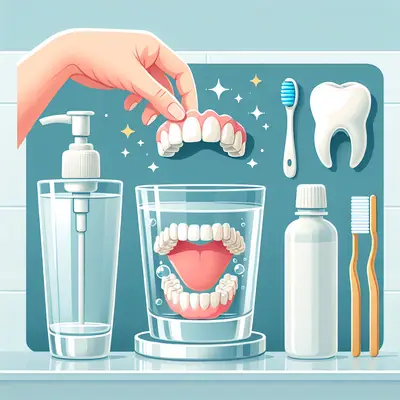
Heritage homes often owe their luminous interiors to disciplined environmental control – stable temperatures, moderated sunlight, and controlled humidity. Your dentures deserve a similarly curated off‑duty environment. When not in your mouth, they should be fully submerged in cool or room‑temperature water or a recommended soaking solution to prevent drying and warping of the acrylic base.
Avoid leaving dentures on a bedside table to desiccate overnight or wrapped in tissue – both invite accidental damage and micro‑cracking. Think of your storage container as a protective display case, not a casual box: clean, closed, and placed away from heat sources and direct sunlight. Replacing your storage solution regularly, wiping down the container, and ensuring the lid closes fully are small habits that maintain a consistently hygienic “micro‑environment” for your appliance.
4. Curate What Touches Your Dentures, the Way You’d Curate What Touches Antique Wood
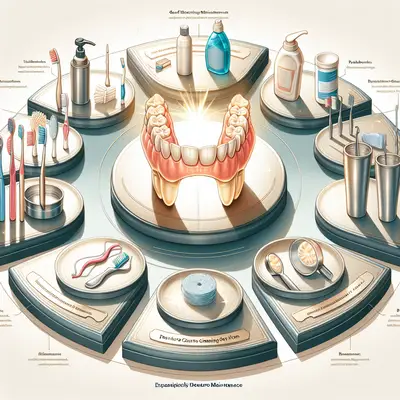
The owners of those celebrated old houses select cleaning agents, polishes, and even fabrics with meticulous intent: some products nourish surfaces, others slowly destroy them. Similarly, every substance that comes in contact with your dentures – from adhesive to toothpaste to mouthwash – either supports longevity or undermines it.
Skip regular abrasive toothpaste, which can create microscopic scratches that trap stain and bacteria, dulling the surface and altering how the denture feels against soft tissue. Choose a non‑abrasive denture paste or mild soap recommended by your dental professional. Use adhesives sparingly and precisely; overuse can mask a declining fit and leave stubborn residue that is difficult to remove without harsh scrubbing. Alcohol‑heavy mouthwashes may dry oral tissues; an alcohol‑free, dentist‑approved rinse can keep your mouth fresh without compromising comfort. The standard should be simple: if you wouldn’t use it on a delicate finish, reconsider using it on a finely crafted denture.
5. Honor the Surroundings: Your Oral Tissues Are the “Foundation” of Your Dentures
The most exquisite home restoration is pointless if the foundation beneath is ignored. For denture wearers, your gums, remaining teeth, tongue, and oral mucosa form the living foundation that supports your prosthesis. A premium maintenance routine doesn’t stop at the appliance; it extends to impeccable oral hygiene and tissue care.
Brush your gums, tongue, and any remaining teeth twice daily with a soft‑bristled brush and a fluoride toothpaste (for natural teeth), massaging the tissues to stimulate circulation. Rinse after meals to clear food debris that can lodge under the denture and cause irritation or fungal overgrowth. If you notice persistent redness, white patches, burning sensations, or sores that do not resolve within two weeks, seek professional evaluation promptly; these may indicate denture stomatitis, pressure spots, or other conditions that need timely attention. A beautifully maintained denture on compromised tissue is like a stately façade on an unstable foundation – impressive, but ultimately unsustainable.
Conclusion
The viral fascination with impeccably maintained old houses is more than aesthetic nostalgia; it is a quiet tribute to the power of consistent, intelligent care. The same philosophy elevates denture maintenance from a basic routine into a refined ritual – one that protects your investment, preserves comfort, and keeps your smile confidently timeless.
By cleaning with restoration‑level precision, monitoring structural changes, storing thoughtfully, curating every product that touches your dentures, and nurturing the oral foundation beneath, you create the conditions for your prosthesis to age gracefully with you. In a world increasingly drawn to things that last, a well‑cared‑for denture is not just practical – it is a personal expression of enduring elegance.
Key Takeaway
The most important thing to remember from this article is that this information can change how you think about Maintenance Tips.