When Miley Cyrus’s “new smile” went viral this week, social media focused on the glow-up, the confidence, the sense that she “finally looks like herself again.” Behind the memes and side‑by‑side photos, though, is a far more meaningful shift: celebrities and everyday people alike are quietly demanding teeth that feel authentic—not overdone, not generic, and certainly not uncomfortable.
While reports suggest Miley moved away from bulkier restorations to something more natural and refined, the conversation she’s sparked is directly relevant to anyone wearing dentures, partials, or implant-supported prosthetics. The age of one-size-fits-all, “piano-key” teeth is fading. In its place: highly customized smiles that respect facial harmony, oral health, and personal identity.
For discerning denture wearers, this cultural moment is an opportunity. As the aesthetics of celebrity smiles evolve in real time, you can use the same principles—and a more luxurious standard of hygiene—to ensure your dentures not only look exquisite, but also feel like an integral, effortless part of you.
Below are five exclusive, detail‑driven insights to help you translate today’s viral smile trends into elevated, everyday denture care.
1. From “One-Size-Fits-All” to Signature Smile: Designing Dentures That Look Like You
Commentary around Miley Cyrus’s updated smile has centered on one phrase: “She finally looks like herself again.” That reaction is telling. Beautiful teeth are no longer defined by blinding whiteness or uniformity; they’re defined by harmony—how naturally they belong to the face wearing them.
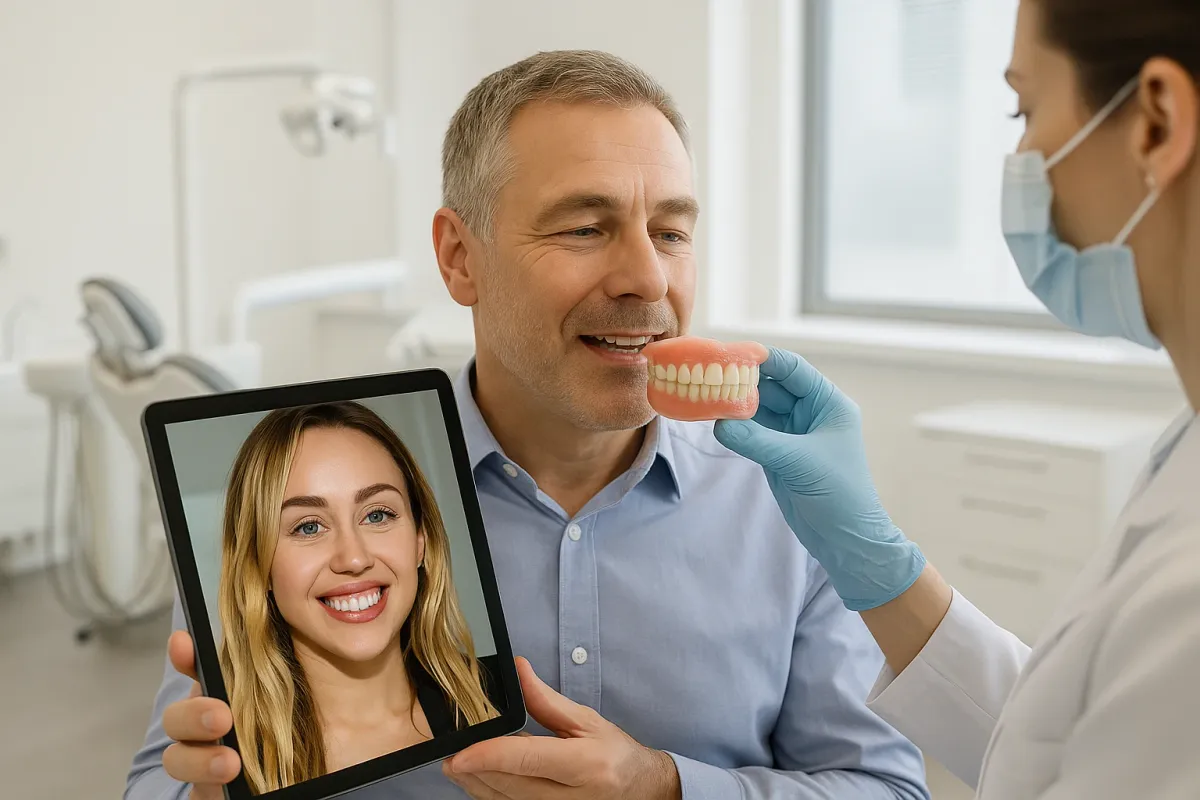
For denture wearers, this shift is transformative. Instead of accepting standard “denture teeth” from a catalog, work with your prosthodontist or dentist to design a signature smile. Ask about tooth shapes that reflect your age, face shape, and natural lip line. Consider micro‑imperfections: a slight variation in tooth width, a softer incisal edge, subtle translucency at the tips. These refined choices mimic natural enamel and avoid the rigid, overly perfect look that often betrays a prosthetic smile. Bring photos of yourself from earlier years if you have them; they’re invaluable in recreating a familiar, authentic aesthetic. The goal is not a “new face,” but a restored version of you—updated, polished, and quietly luxurious.
2. Ultra-Clean, Not Ultra-Harsh: The New Standard in Daily Denture Hygiene
As more celebrities quietly refine their aesthetics—faces, hairlines, teeth—one pattern is emerging: the best results are the least aggressive. Overfilled lips, over-bleached teeth, and overprocessed skin are giving way to controlled, understated, ultra‑curated upkeep. Your denture hygiene should follow the same philosophy: immaculate, yet never harsh.
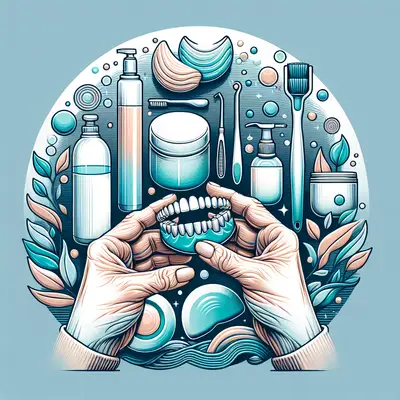
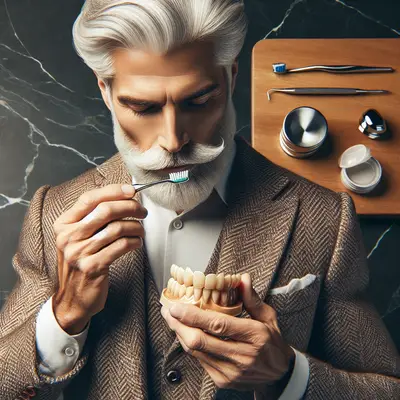
Retire any temptation to scrub with regular toothpaste; its abrasiveness can create microscopic scratches that harbor bacteria and dull the surface of premium acrylic or ceramic teeth. Instead, choose a dedicated denture cleanser recommended by your clinician, paired with a soft, denture‑specific brush. Clean your dentures after every meal under lukewarm—not hot—water to preserve their shape. At night, soak them in a non‑bleaching, non‑chlorine solution that both disinfects and respects delicate materials and any precision attachments. For partial denture wearers, treat your natural teeth with the same couture‑level care: interdental brushes, water flossers, and high‑fluoride pastes help protect abutment teeth, which are the “anchor points” of your entire restoration. The result is a quiet kind of luxury: dentures that look camera-ready under harsh lighting because their hygiene is uncompromising, not their cleaning products.
3. Gum Health as a Beauty Secret: The Invisible Foundation of a Photogenic Smile
The public reaction to Miley’s changed smile has focused overwhelmingly on harmony—her teeth matching her face, her lips, her overall expression. What you don’t see, but absolutely feel, is the condition of the tissues that support a restoration. For denture wearers, your gums and oral tissues are your invisible couture: if they are irritated, inflamed, or neglected, even the most exquisite denture looks and feels wrong.
Treat your denture-bearing tissues as you would your skin with a luxury skincare routine. Every night, gently massage your gums and palate with a soft toothbrush or damp gauze after removing your dentures. This stimulates circulation, helps maintain tissue tone, and removes plaque film that can otherwise lead to redness and soreness. Schedule regular professional cleanings and oral cancer screenings; even when you have full dentures, your mouth remains very much a living, changing environment. If you wear implant-supported dentures, impeccable gum health around each implant is non‑negotiable—think of it as caring for the “roots” of your investment. This tissue-level refinement doesn’t appear in selfies, but it dictates how comfortable, stable, and elegant your smile feels from the inside out.
4. Precision Fit in a Changing Face: Why Periodic Adjustments Are the New Glam Routine
One understated lesson from the ongoing evolution of celebrity looks—including smiles like Miley Cyrus’s—is that faces change over time, and the most successful enhancements evolve with them. Fillers are adjusted, haircuts refined, makeup softened. Dentures are no different: a denture that fit beautifully two years ago may now be subtly compromising your bite, your facial profile, or your comfort.
Bone resorption and tissue changes continue for years after tooth loss, even if your dentures appear cosmetically fine. That’s why a truly premium denture routine includes scheduled reassessments, not just emergency visits when something feels “off.” At least once a year, ask your clinician to evaluate your bite, vertical dimension (the space between your jaws when your teeth are together), and the way your lips rest over your teeth. Tiny refinements—an in‑office reline, selective reshaping of high spots, adjustments to clasp tension on partials—can dramatically enhance comfort and facial support. If your lower face appears to be “collapsing” slightly, or you notice new fine lines around the mouth, it may not be age alone; an outdated denture fit could be contributing. Just as celebrities quietly revisit their cosmetic teams to keep results current, you deserve the same proactive, precision‑driven attention for your prosthetics.
5. Confidence as the Ultimate Accessory: Turning a Prosthesis into a Personal Signature
Perhaps the most powerful takeaway from Miley’s trending smile is not technical at all; it’s emotional. Fans aren’t responding merely to tooth shape or shade—they’re responding to her apparent comfort in her own appearance. For denture wearers, that kind of confidence is entirely attainable, and it begins with how you think about your prosthesis.
Stop viewing your denture as a compromise and start positioning it as a custom-crafted accessory—more akin to a tailored suit or fine jewelry than a generic medical device. This mindset shift naturally elevates your standards: you become less tolerant of minor discomfort, more attentive to daily hygiene, and more willing to invest in upgrades such as higher‑quality teeth, metal-free clasps on partials, or implant support where appropriate. Practice speaking and laughing in private if you feel self-conscious; rehearse the way your lips shape words with your dentures in place. If necessary, work with your dentist on phonetic refinement (subtle polishing or reshaping of certain teeth to aid clear speech). The goal is simple: when you walk into a room, your dentures should read as “a beautiful smile,” not “prosthetic teeth.” Confidence is the final polish that turns excellent clinical work into a compelling personal signature.
Conclusion
As Miley Cyrus’s refreshed smile dominates social feeds, the conversation around teeth is shifting from “perfect and obvious” to “refined and authentic.” For denture wearers, this cultural moment is an invitation to demand more: prosthetics that are meticulously cleaned yet never damaged by harsh products, gums treated like the foundation of beauty they are, fits adjusted as your face evolves, and designs that honor your features—not a generic template.
In a world where every image can be paused, zoomed, and analyzed, the most luxurious dental choice you can make is not to chase trends, but to curate a smile that feels timelessly, unmistakably yours—and to care for it with the same sophistication you bring to the rest of your life.
Key Takeaway
The most important thing to remember from this article is that this information can change how you think about Oral Hygiene.