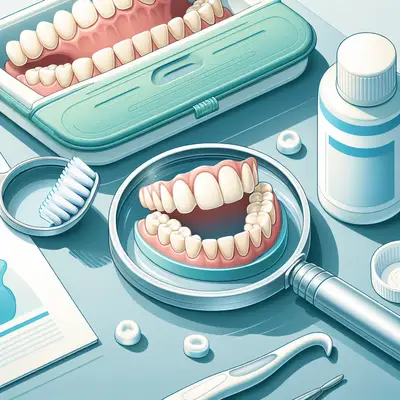
A beautifully crafted denture deserves more than basic care; it calls for a maintenance ritual that feels intentional, refined, and quietly luxurious. Beyond keeping your prosthetic clean, thoughtful upkeep protects your investment, preserves comfort, and sustains a natural, confident appearance. Consider this your guide to elevating denture maintenance from a chore into a discreet daily ritual—one that honors both craftsmanship and your own standards for care.
Rethinking “Clean”: Why Denture Maintenance Is Its Own Discipline
Caring for dentures is not simply an extension of regular oral hygiene—it is its own discipline, with nuances that directly affect fit, longevity, and aesthetics. Natural teeth can remodel and adapt over time; dentures, by contrast, are fixed in shape and rely on the delicate balance between your oral tissues, bone structure, and bite alignment.
Neglect or shortcuts can introduce subtle shifts that only reveal themselves when discomfort, rubbing, or fractures appear. Microscopic plaque hardens into calculus on acrylic surfaces, harboring bacteria and fungi that contribute to bad breath, staining, and sore spots on the gums. This is why dentures require products and techniques formulated specifically for prosthetics, rather than a simple extension of “tooth brushing” habits.
When you view your denture as a precision-made device—more akin to a bespoke accessory than a generic appliance—maintenance becomes an act of preservation, not just cleaning. That mindset sets the stage for more deliberate, premium-level care.
Daily Rituals: The Foundation of Impeccable Denture Care
A refined maintenance routine is built on consistency. The essentials are simple, but the way you carry them out makes all the difference in your results and comfort.
Begin and end each day with a gentle, thorough clean. Use a soft-bristled brush designed for dentures and a non‑abrasive denture cleanser or mild, non‑whitening liquid soap. Traditional toothpastes are often too abrasive and can create microscopic scratches that trap stains and bacteria. Hold the denture securely over a basin filled with water or a folded towel to cushion any accidental drops; a small slip over porcelain or stone can lead to a fracture.
After removing your dentures, give equal attention to your mouth. Gently brush your gums, tongue, and palate with a soft toothbrush to stimulate circulation and remove plaque. This is essential for keeping the underlying tissues healthy and better able to support your prosthetic. If your dentist recommends an antimicrobial mouth rinse, use it as a finishing step, but avoid alcohol-based rinses that can dry the tissues.
Finally, allow your mouth time to rest overnight. Leaving dentures out while you sleep, unless your dentist specifically advises otherwise, can reduce the risk of inflammation, fungal overgrowth, and sore spots while also extending the lifespan of the acrylic and attachments.
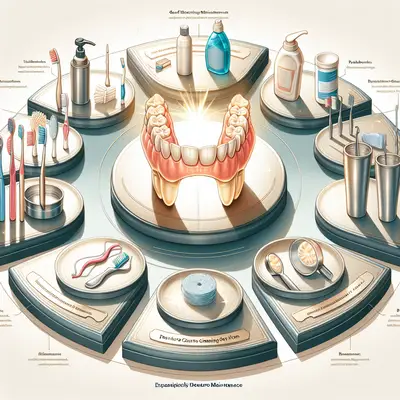
Exclusive Insight #1: Curating Your Personal “Denture Wardrobe” of Care Products
A sophisticated approach to maintenance starts with a curated set of products chosen for performance, not novelty. Think of it as a wardrobe for your denture—each item serving a clear, considered purpose.
Select a dedicated denture brush with a comfortable, non‑slip handle and dual‑sided bristle design to reach both the polished outer surfaces and intricate inner curves. Pair it with a high-quality, effervescent denture cleanser tested for safety on acrylics and metals; these solutions help dissolve stains, plaque, and odor‑causing deposits that brushing alone can’t reach.
If you use adhesives, elevate your selection. Look for reputable brands that provide secure hold without excessive residue and are zinc‑free, especially if you wear dentures all day, every day. Equally important is an adhesive remover or a gentle oil‑based product to lift residual material from both the denture and your gums without aggressive scrubbing.
Finally, consider a dedicated, ventilated storage case for daytime breaks and a separate lidded container for overnight soaking. These thoughtful details do more than organize your space—they help protect your denture from accidental damage, contamination, and drying, all of which can compromise fit and comfort.
Exclusive Insight #2: Fine‑Tuning Soak Time for Material Longevity
Soaking is often treated as a simple “drop and forget” step, but it is more nuanced than that. The solution you choose and how long you soak can subtly influence the durability and appearance of your denture.
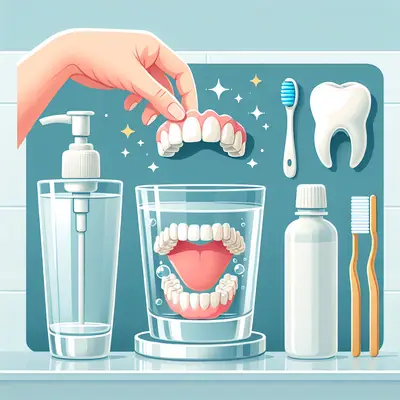
Most full and partial dentures benefit from an overnight soak in cool or lukewarm water with a cleanser specifically formulated for daily use. Very hot water, however, can distort acrylic and alter the fit, a change that cannot be reversed without professional adjustment. Always follow the manufacturer’s temperature guidelines; lukewarm is usually the safest and most comfortable standard.
If your denture includes metal components, ensure your cleansing tablets or solutions are labeled as safe for metal frameworks to avoid corrosion or tarnishing over time. For those prone to fungal infections such as denture stomatitis, your clinician may recommend alternating a standard cleanser with a targeted antifungal rinse or prescribed solution on certain nights, creating a more bespoke soaking schedule.
An elevated habit is to set a consistent soak duration—typically 6–8 hours overnight—and avoid leaving dentures dried out on the bedside table or submerged continuously in strong cleaners beyond the recommended time. This small attention to detail preserves both the structural integrity and aesthetic clarity of the acrylic, especially in the tooth and gum‑colored areas.
Exclusive Insight #3: Micro‑Maintenance Between Meals to Prevent Subtle Wear
While daily cleaning is essential, the truly meticulous denture wearer pays attention to the small “in‑between” moments. Tiny particles wedged along the edges of your denture or beneath a partial can create localized pressure, leading to sore spots, microscopic cracks, or staining at the margins.
Rinsing your dentures under cool or lukewarm running water after coffee, tea, red wine, or richly colored sauces helps minimize staining before pigments have time to settle. A quick, discreet rinse after meals also reduces trapped debris and keeps breath fresher throughout the day, especially when you’re in close social or professional settings.
If removing your dentures is not practical in public, at least rinse your mouth thoroughly with water, swishing along the gum line and under the prosthetic where possible. When you are able to remove them later, inspect for any small seeds, nut fragments, or fibrous food that may have lodged in crevices or clasps.
This micro‑maintenance approach not only preserves the appearance of your denture but also reduces the tiny, repetitive stresses that can accumulate into larger problems—cracks, chips, and irritation that require repair or refitting.
Exclusive Insight #4: Monitoring Subtle Signals of Fit Before Discomfort Appears
A premium maintenance ritual includes attentive self‑observation. Your mouth is dynamic: bone resorbs, soft tissues change, and weight fluctuations or health conditions can alter the way your denture fits long before it starts to feel overtly loose.
Instead of waiting for pain or obvious instability, make it a habit to assess your denture’s behavior in daily life. Are you using more adhesive than you did six months ago? Do you sense a faint clicking when you speak, or a slight shift when you bite into something firmer? Are certain foods—once comfortably manageable—now less predictable?
These quiet signals are invitations to schedule a professional evaluation. Regular check‑ups, typically every 6–12 months, allow your dentist to detect emerging issues early, perform professional cleanings to remove hardened deposits, and recommend relines or adjustments before friction causes sore spots or fractures. Treat these appointments as you would a fitting for a tailored garment—they refine the relationship between your mouth and your prosthetic, ensuring harmony between form and function.
Exclusive Insight #5: Creating a Refined Nightly Reset for Mouth and Prosthetic
The most sophisticated denture maintenance routines include not only care for the device, but a full reset for the entire oral environment each night. This is where long‑term comfort, aesthetics, and tissue health quietly converge.
After removing and cleaning your dentures, gently massage your gums with a soft brush or clean fingertip in small circular motions. This stimulates blood flow, supports tissue resilience, and can ease any mild daytime fatigue in the supporting structures. If you have areas that tend to redden or feel tender, bring these to your dentist’s attention at your next visit; they are not something to “tough out.”
For those prescribed specific rinses—such as chlorhexidine or antifungal treatments—incorporate them as directed into your nighttime sequence, ensuring the tissues have time to benefit without being covered by the denture. Meanwhile, your prosthetic rests in its soak, being cleansed and rehydrated for the next day.
Completing this routine with intentionality—not rushed as an afterthought—turns maintenance into a ritual of closure for the day. The result is a fresher, calmer mouth by morning, a denture that looks and feels better over time, and a more composed sense of readiness as you begin each new day.
Conclusion
Exemplary denture maintenance is not about perfectionism; it is about deliberate, consistent care that respects both the precision of the prosthetic and the sensitivity of the tissues it rests upon. By curating the right products, fine‑tuning your soaking habits, practicing micro‑maintenance, listening to early signals of change, and embracing a nightly reset, you create a standard of care that quietly elevates your everyday experience.
Your denture is more than a replacement for missing teeth—it is an investment in confidence, comfort, and presence. A well‑kept smile does not call attention to itself; it simply allows you to move through the world with ease, knowing that the details have been handled with care.
Sources
- American Dental Association – Dentures – Overview of denture types, care recommendations, and professional guidance
- Mayo Clinic – Dentures: How to Care for Them – Practical advice on daily denture hygiene, soaking, and handling
- Cleveland Clinic – Dentures – Detailed explanation of denture use, fit changes over time, and maintenance considerations
- National Institute of Dental and Craniofacial Research (NIDCR) – Oral Health for Older Adults – Context on aging, oral tissues, and why professional follow‑up and proper prosthetic care are essential
Key Takeaway
The most important thing to remember from this article is that this information can change how you think about Maintenance Tips.