A beautifully maintained denture does more than restore your smile; it preserves the quiet assurance with which you move through the world. Beyond basic cleaning lies a more thoughtful discipline—one that protects fit, finish, and comfort over years, not months. This guide explores refined maintenance practices that go a step further, including five exclusive insights discerning denture wearers often come to value only with experience.
Precision Cleanliness: Caring for Dentures Without Compromising Their Finish
Everyday cleaning is essential, but the manner in which you care for your dentures profoundly influences how they age. Abrasive toothpastes, harsh scrubbing, or overly hot water can slowly dull the surface, creating microscopic scratches that trap stain and odor. Instead, adopt a gentler, almost textile-like mindset: treat your dentures as you would fine fabric—effective cleansing without stripping or scouring.
Use a soft-bristled denture brush or ultra-soft toothbrush with a non‑abrasive denture cleanser specifically formulated for prosthetics. Clean over a basin filled with water or lined with a soft towel to protect against accidental drops. Pay attention to the underside of the denture, where plaque biofilm and food debris tend to accumulate, as buildup here can irritate your gums and compromise fit. Rinse thoroughly with cool or lukewarm water; high temperatures can warp acrylic and subtly alter how the denture seats in your mouth. This is less about rigid routine and more about consistent quality—each cleaning as deliberate and careful as the last.
The Overnight Ritual: Resting Dentures While Supporting Oral Tissues
Your mouth also needs a chance to rest. Wearing dentures around the clock, especially overnight, can increase the risk of fungal overgrowth (such as oral thrush), sore spots, and accelerated bone resorption in the jaw. Removing your dentures at night gives your oral tissues an opportunity to breathe, recover, and remain healthier in the long term.
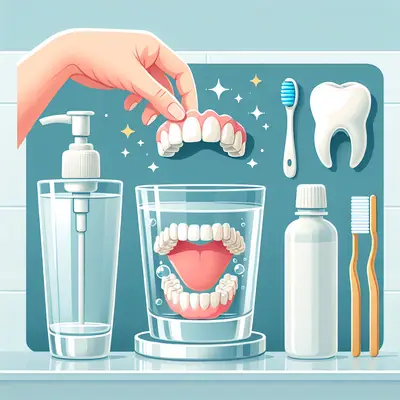
Place your dentures in a fresh denture-soaking solution or plain water while you sleep to keep them from drying out. A dry denture can become brittle and lose its precise fit. If you use a cleansing solution, follow the manufacturer’s timing and thoroughly rinse before reinserting in the morning to avoid irritation from residual chemicals. Consider pairing your overnight soak with a gentle gum massage using a soft toothbrush or clean fingertip to support circulation and tissue resilience. This evening ritual becomes less a chore and more a nightly reset for both your prosthesis and your mouth.
Exclusive Insight #1: The “Silent Fit Check” After Every Meal
One quiet habit that sets meticulous denture wearers apart is the discreet post‑meal fit check. After eating—especially foods with seeds, nuts, or small fragments—take a moment in a private space to remove your dentures, rinse them, and gently rinse your mouth. Tiny food particles trapped beneath a denture can create pressure points, friction, and even micro‑injuries to the soft tissues.
In the short term, this practice keeps your mouth feeling impeccably clean. Over time, it helps you avoid chronic sore spots and reduces the risk of inflammation that might accelerate changes in your underlying bone and soft tissue. This subtle, almost ceremonial pause after meals maintains both comfort and the long-term integrity of your fit, while ensuring your dentures remain immaculate throughout the day.
Exclusive Insight #2: Temperature Awareness as a Daily Safeguard
Heat is the understated enemy of denture materials. Beyond avoiding hot water while cleaning, cultivate awareness of temperature in daily life. Very hot beverages, soups, or foods can soften denture acrylic slightly in the moment, particularly in a new prosthesis, and may contribute to subtle distortion over time.
Allow hot drinks and foods to cool briefly before enjoying them, especially in the first months of wearing a new denture. This also protects the delicate tissues of your palate and gums, which may be more sensitive under a prosthesis. That small moment of patience maintains the shape and comfort of your denture, while protecting your sense of taste and temperature perception, which can already be somewhat altered by coverage of the palate.
Exclusive Insight #3: Strategic Use of Adhesives—As a Cue, Not a Crutch
Denture adhesive can be helpful, but refined use is thoughtful rather than automatic. When used sparingly, adhesive can enhance stability and comfort, particularly for lower dentures or during extended social engagements. However, when you begin to need increasing amounts, it may be a signal—not a solution.
Adopt a conservative adhesive routine: a few small, evenly spaced dots or thin strips are often sufficient. If you find yourself applying larger quantities, reapplying multiple times a day, or relying on adhesive to control movement that previously was not an issue, interpret this as a prompt to consult your dentist. Changes in the underlying bone or soft tissue can make relining or adjusting your denture more appropriate than simply adding more adhesive. This mindset turns adhesive into a diagnostic tool—an early signal that your prosthesis and your mouth deserve a professional check, rather than a bandage over a growing problem.
Exclusive Insight #4: A “Wardrobe” Mindset for Storage and Travel
How you store and transport your dentures matters. Treat your prosthesis as you would a fine watch or eyewear: it deserves a dedicated, protective case rather than a glass by the sink or a tissue on the nightstand. A sturdy, vented denture case keeps your appliance shielded from accidental damage, contamination, and misplacement.
When traveling, carry your denture case, cleanser, and a small soft brush in your hand luggage, not checked baggage, to avoid the disruption of a lost or delayed suitcase. If you have a spare denture, store it properly and be sure it has been checked by your dentist for fit and function. This approach not only adds a level of refinement to your routine but also preserves your peace of mind: even in unfamiliar settings, your denture care remains orderly, hygienic, and under control.
Exclusive Insight #5: Scheduled “Refinement Appointments” Before Problems Arise
Waiting until a denture feels uncomfortable before seeing your dentist puts you perpetually in reaction mode. A more elevated approach is to schedule regular refinement appointments—typically once a year, or as your dentist recommends—even when everything seems satisfactory.
During these visits, your dental professional can check for subtle changes in your bite, inspect the surface for hairline fractures or wear, and evaluate how well your denture aligns with underlying tissues that may have resorbed or shifted. Early adjustments, relines, or minor polishing can extend the life of your prosthesis and prevent the kind of pronounced discomfort that demands urgent correction. These appointments function the way periodic tailoring does for fine clothing: a way to keep a carefully crafted item in impeccable condition as your body naturally changes.
Harmonizing Denture Care With Overall Oral Health
Denture maintenance is not limited to the prosthesis itself; your oral and general health are an integral part of the equation. If you wear partial dentures, continue to brush natural teeth twice daily with fluoride toothpaste and clean between teeth with floss or interdental brushes. Even for full denture wearers, annual oral cancer screenings and soft‑tissue examinations remain essential.
Nutrition, hydration, and systemic health also influence how your mouth feels under a denture. A balanced diet rich in vitamins and minerals supports bone and tissue health, while adequate hydration helps manage dry mouth, which can impair denture retention and increase irritation. If medications contribute to dryness or discomfort, discuss possible adjustments or supportive products (such as saliva substitutes) with your healthcare provider. Think of your denture as part of a larger ecosystem—one that thrives when every component, from tissue health to daily cleaning, is considered and cared for deliberately.
Conclusion
A well-maintained denture is the product of countless quiet choices: the gentler brush, the cooler water, the brief pause after meals, the scheduled refinement visit rather than the emergency adjustment. These details may seem subtle, yet together they sustain a smile that feels as composed as it looks. By adopting these elevated maintenance habits—and especially the five exclusive insights that focus on fit, temperature, adhesive use, storage, and proactive care—you honor both the craftsmanship of your dentures and your own commitment to a life lived with unhurried confidence.
Sources
- American Dental Association – Dentures - Overview of denture types, care recommendations, and professional guidance
- Mayo Clinic – Dentures: Facts, Care and Maintenance - Practical advice on wearing, cleaning, and adjusting to dentures
- Cleveland Clinic – Dentures: What to Expect - Information on fit, follow-up visits, and long-term management
- National Institute of Dental and Craniofacial Research (NIDCR) – Oral Health in Older Adults - Context on oral health considerations that affect denture wearers
- Columbia University College of Dental Medicine – Caring for Removable Dentures - Professional tips on cleaning, handling, and preserving dentures
Key Takeaway
The most important thing to remember from this article is that this information can change how you think about Maintenance Tips.