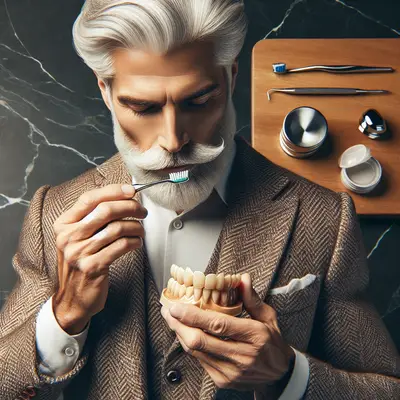
A beautifully maintained smile is never an accident—it is the result of quiet discipline, exquisite attention to detail, and an understanding that true refinement is rarely loud. For denture wearers, oral hygiene is no longer just about “keeping things clean”; it is about preserving comfort, protecting the health of the mouth, and ensuring that your prosthetic work continues to look as effortless as it feels.
This guide goes beyond standard advice to explore five exclusive, often overlooked insights that discerning denture wearers can use to refine their daily oral rituals and elevate both health and aesthetics.
Understanding the New Ecosystem of Your Mouth
Once you wear dentures—whether full, partial, or implant‑supported—your mouth becomes a different kind of ecosystem. Natural teeth, acrylic resin, porcelain, metal clasps, soft liners, and oral tissues all interact in a delicate balance. What once suited natural enamel may now be too harsh for denture materials or too gentle to protect vulnerable gums.
Denture surfaces are more porous than natural teeth, making them more hospitable to plaque, bacteria, and stains from wine, tea, coffee, or tobacco. Saliva flow may also change with age, medications, or the presence of prosthetics, altering how well your mouth naturally protects itself.
An elevated oral hygiene approach recognizes this shift. It does not simply transplant “toothbrushing habits” onto dentures, but instead treats your prosthesis as a crafted object that must harmonize with living tissue. This means adjusting products, techniques, timing, and even how you evaluate “clean” to reflect your mouth’s new reality.
Exclusive Insight 1: The 24‑Hour Oral Rhythm, Not Just a Nightly Routine
Most advice tells denture wearers to remove and clean their dentures at night. While this is essential, sophisticated care respects the entire 24‑hour rhythm of your mouth, not a single cleaning moment.
Morning care is your opportunity to reset the oral environment after overnight bacterial growth. This means gently brushing your gums, tongue, and palate with an ultra‑soft toothbrush and a non‑abrasive toothpaste or mild gel, even before your dentures go in. Doing so enhances blood circulation to the tissues and reduces bad breath at the source—not just on the denture surface.
Midday, especially after richly colored meals or highly acidic drinks, a discreet rinse with water or an alcohol‑free mouthwash helps reset pH and limit staining. For those who entertain often or spend long hours in meetings, this small refinement prevents the gradual buildup of film that leads to odors, dull surfaces, and discomfort by evening.
Night care then becomes a luxurious detox: removing dentures, cleaning them thoroughly, and allowing your oral tissues to rest. By designing your oral hygiene as a quiet, three‑act ritual—morning activation, daytime preservation, and evening restoration—you support both aesthetics and long‑term tissue health with unhurried precision.
Exclusive Insight 2: Precision Product Pairing for Denture Materials
Not all denture materials are created equal—and neither are cleaning products. One of the most understated forms of oral elegance is using products that respect both the craftsmanship of your dentures and the sensitivity of your tissues.
Acrylic dentures can be dulled or microscopically scratched by abrasive toothpaste or hard‑bristled brushes. Over time, these tiny imperfections harbor stains and bacteria, causing discoloration and persistent odor despite “regular cleaning.” A soft denture brush or a soft, multi‑tufted toothbrush, paired with a non‑abrasive denture cleanser recommended by your dentist, offers thorough cleansing without compromising the finish.
Metal clasps on partial dentures require particular care. Bleach‑containing solutions, or very acidic cleansers, can corrode metal over time. Likewise, hot water can warp the acrylic base, subtly altering the fit. A refined routine, therefore, avoids extreme temperatures, harsh chemicals, and multipurpose products that promise everything but compromise both materials and comfort.
For those with implant‑supported dentures or overdentures, specialist cleaning aids—such as implant‑safe brushes, floss threaders, or interdental brushes—preserve the health of the abutments and surrounding tissues. By aligning each product precisely with each material and structure, you protect your investment, extend the life of your prosthesis, and maintain that quiet, polished sheen that never looks “over‑cleaned,” only impeccably kept.
Exclusive Insight 3: Treating Your Gums as the True Foundation
A beautiful denture is only as comfortable and functional as the tissues beneath it. Yet gum care is often treated as an afterthought, when in reality it is the true foundation of refined denture hygiene.
Daily gentle gum massage—either with a soft toothbrush or a fingertip wrapped in a clean, damp cloth—stimulates blood flow and supports tissue resilience. This helps reduce soreness, enhances adaptation to the prosthesis, and may even improve long‑term tolerance of full dentures.
For those with partial dentures, meticulous attention to the remaining natural teeth and adjacent gums is essential. Food particles and plaque tend to accumulate around clasps and connectors; if neglected, they increase the risk of decay and periodontal disease, which can ultimately compromise the fit and stability of your prosthesis.
Rinsing with an alcohol‑free antiseptic or fluoride mouthwash can offer additional protection, especially for individuals prone to dry mouth. Alcohol‑based products, while popular, may exacerbate dryness and irritation—something a truly elevated routine decisively avoids. In this way, caring for your gums, palate, and remaining teeth is less about “maintenance” and more about preserving the living architecture that allows your dentures to sit beautifully and comfortably, day after day.
Exclusive Insight 4: The Art of Discreet Freshness Between Engagements
Refined denture care extends beyond the bathroom into how you manage freshness in the midst of everyday life—meetings, dinners, travel, or social events where overt dental rituals are neither practical nor desirable.
Odor and discomfort often arise not from “poor hygiene” but from tiny food particles trapped under the denture base or between partials and natural teeth. A simple, elegant strategy involves carrying a small travel kit: a slim case with a soft brush, a small bottle of water or alcohol‑free mouthwash, and, if appropriate, a packet of sugar‑free xylitol mints or gum.
Stepping away for two minutes to quickly rinse and gently brush the denture or natural teeth can transform how you feel during a long evening. Xylitol‑containing mints or gum can stimulate saliva and help reduce cavity‑causing bacteria, especially if you wear partial dentures and still have natural teeth.
Another discreet refinement is to be intentional about menu choices. Very fibrous, seedy, or sticky foods can be more likely to lodge beneath dentures or around clasps, requiring awkward adjustments mid‑conversation. Choosing smoother textures or cutting foods into smaller, more manageable bites allows you to enjoy meals without constantly thinking about your prosthesis. The goal is effortless composure—your denture should never become the main character in your evening.
Exclusive Insight 5: Professional Care as a Curated Partnership, Not a Last Resort
Luxury in oral care is not about avoiding the dentist; it is about cultivating an ongoing partnership with a clinician who understands both your prosthesis and your aesthetic goals. Professional appointments should feel less like “repair visits” and more like periodic refinements to a well‑designed system.
Even with impeccable home care, dentures accumulate microscopic deposits of calculus and stains that require professional tools to remove safely. Regular examinations—typically once or twice a year, as recommended by your dentist—allow for adjustments to fit, the early detection of pressure spots, and an evaluation for oral lesions or signs of oral cancer, which can occur regardless of whether you have natural teeth.
Refinements such as relining (to adapt the denture to subtle changes in your jaw and gum tissue), polishing, or remaking specific components preserve comfort and visual harmony. Thoughtful professionals can also guide you on advanced products—such as prescription‑strength fluoride for partial denture wearers, or specialized cleaners for complex prostheses.
Approaching these visits as part of a curated, ongoing regimen—as essential as tailoring or skincare—shifts the narrative from crisis management to continuous optimization. The result is a smile that does not merely function, but feels thoroughly considered.
Conclusion
Elevated denture hygiene is not about elaborate routines or rigid rules; it is about intentionality. By honoring the 24‑hour rhythm of your mouth, matching products precisely to materials, caring for your gums as the true foundation, cultivating discreet freshness throughout your day, and viewing professional care as collaboration rather than correction, you create a standard of oral elegance that is both sustainable and deeply satisfying.
In this realm, refinement is measured not just by how your dentures look in the mirror, but by how effortlessly they integrate into your life—quietly supporting every conversation, every photograph, and every moment you choose to smile.
Sources
- American Dental Association – Dentures – Overview of denture types, care recommendations, and oral health considerations for wearers.
- Cleveland Clinic – Dentures: Benefits, Types and Care – Detailed guidance on cleaning, maintenance, and when to seek professional evaluation.
- Mayo Clinic – Oral health: A window to your overall health – Explains the connection between oral hygiene, systemic health, and why diligent care matters.
- National Institute of Dental and Craniofacial Research – Practical Oral Care for Older Adults – Evidence‑based recommendations for oral hygiene, including for people with prosthetic appliances.
- Colgate Oral Health Center – Caring for Dentures – Practical tips on daily cleaning, product selection, and avoiding damage to denture materials.
Key Takeaway
The most important thing to remember from this article is that this information can change how you think about Oral Hygiene.