A beautifully crafted denture is more than a functional appliance; it is a discreet investment in presence, poise, and quiet confidence. Yet even the most refined prosthesis will lose its precision and polish without an equally refined approach to maintenance. Beyond the familiar advice to “clean daily” lies a more nuanced, almost bespoke level of care—one that respects the materials, protects the underlying tissues, and preserves the elegance of your smile over years, not months.
Below, discover five exclusive, detail‑oriented insights that elevate denture maintenance from routine to ritual.
Elevating Cleaning from Task to Technique
For many wearers, denture cleaning is hurried—done out of obligation rather than intention. But the way you clean your dentures directly influences their longevity, fit, and appearance. A “premium” approach begins with understanding that dentures are not simply tougher versions of natural teeth; they are precision devices, more vulnerable to abrasion, warping, and chemical damage than they may appear.
Use a soft, denture‑specific brush and a non‑abrasive cleanser formulated for prosthetic materials. Household toothpaste, especially whitening or tartar‑control varieties, can scratch the acrylic and create a microscopic landscape where pigments and bacteria readily cling. Cleaning should follow a pattern—outer surfaces, inner surfaces, and clasp areas for partials—rather than random brushing. This deliberate order ensures nothing is missed and reduces unnecessary friction over the same areas.
Equally important is the temperature of the water you use. Hot water can distort acrylic and subtly alter the fit over time, undermining both comfort and appearance. Lukewarm water preserves structural integrity while still allowing cleansing agents to work effectively. By treating cleaning as a precise ritual rather than a quick chore, you protect the craftsmanship of your dentures and maintain a consistently polished aesthetic.
The Nighttime Advantage: Intelligent Soaking and Tissue Recovery
Removing dentures at night is not merely a matter of comfort; it is an essential step in safeguarding the health and resilience of your oral tissues. Constant coverage deprives the gums and palate of air exposure, encouraging fungal overgrowth (commonly Candida) and increasing the risk of denture stomatitis—an often silent inflammation that can eventually compromise fit and comfort.
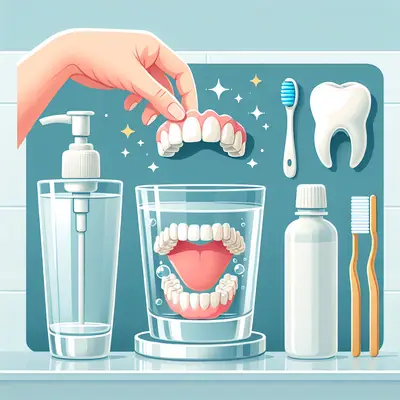
An elevated nighttime routine combines two aims: rehydrating the denture and allowing the tissues to recover. Acrylic materials are designed to retain a certain level of moisture; when left dry, they can warp, become brittle, or lose their precise adaptation. Soaking in a denture‑specific solution—not mouthwash, not hot water, not bleach (unless explicitly guided by a clinician for specific indications)—helps maintain structural stability while reducing biofilm accumulation.
Consider a personalized approach: if your clinician has identified a tendency toward fungal irritation, they may recommend antiseptic or antifungal soaking agents at intervals. For others, a high‑quality effervescent cleanser used a few times a week, combined with gentle mechanical brushing, may be sufficient. In all cases, dentures should be rinsed thoroughly before returning to the mouth to avoid mucosal irritation. This nightly discipline not only enhances longevity but ensures that each morning’s insertion feels fresh, precise, and dignified.
Precision Fit Preservation: Micro‑Habits That Prevent Warping and Wear
Denture wear may appear gradual and inevitable, but much of the premature deterioration seen in clinical practice is avoidable. Subtle day‑to‑day habits can either support or undermine the prosthesis and the tissues beneath it. At a refined level of care, the focus shifts from merely “clean” to “protected.”
First, avoid exposing your dentures to sudden temperature extremes—such as rinsing with very hot water followed by cold, or leaving them in a car or near a radiator. Repeated expansion and contraction, even when not immediately visible, can subtly alter fit. Second, never use your dentures as tools: opening packages, cracking nuts, or biting down on ice might feel harmless in the moment, but these forces were never accounted for in their design. Over time, micro‑fractures and edge chipping create discomfort and hygiene challenges.
Storage is equally important. When not in use, keep dentures fully immersed in water or a cleansing solution in a closed container, away from direct sunlight. Leaving them partially submerged or exposed to air can dry the acrylic and create uneven stress across the base. Finally, treat relining and adjustments as preventive, not reactive. Even with impeccable care, bone and soft tissue remodel over time. A professional evaluation—ideally annually—helps detect early instability and allows for minor relines before pressure spots, ulcers, or fractures develop.
The Refined Interface: Caring for Gums, Bone, and Remaining Teeth
True denture maintenance extends beyond the appliance itself. The underlying tissues, remaining teeth, and supporting bone form the biological foundation that determines how well your dentures function and how long they remain comfortable. Maintaining that foundation is the hallmark of sophisticated care.
Massage the gums and palate with a soft toothbrush or a moistened gauze pad after removing your dentures. This simple practice stimulates blood flow, promotes tissue elasticity, and disrupts plaque and fungal biofilms that may persist on the mucosa. For partial denture wearers, meticulous care of the remaining natural teeth is non‑negotiable. The teeth that support clasps and rests are under additional mechanical load; decay or periodontal disease in these “anchor” teeth can quickly compromise the entire prosthesis.
Professional cleanings and exams are still essential, even if all natural teeth have been removed. Your dentist or prosthodontist will assess ridge resorption, soft tissue health, bite balance, and wear patterns that may indicate uneven forces or grinding. In some cases, a night guard worn over the dentures or selective occlusal adjustments can help protect against excessive pressure, cracking, or sore spots. The goal is not just a stable denture, but a balanced system in which tissues, bone, and prosthesis are all respected equally.
Subtle Aesthetics: Guarding Against Staining, Odor, and Surface Fatigue
A premium denture is judged not only by its fit but by its quiet, natural appearance and freshness throughout the day. Over time, even high‑quality prosthetic teeth and bases can lose their luster, accumulate stains, and develop persistent odors if not managed with intention. The prevention of these subtle aesthetic changes begins with daily choices.
Darkly pigmented beverages such as coffee, tea, red wine, and cola readily adhere to microscopic imperfections in the denture surface. While total avoidance is unrealistic, strategic behavior helps: sip through a straw when possible, rinse the mouth and denture with water after consumption, and avoid allowing such liquids to linger against the prosthesis. Smoking, vaping, and frequent intake of highly colored foods (like curry or berries) can accelerate discoloration; scaling back will enhance both oral and systemic health.
Odor control is not solely the domain of cleansers. What adheres to your denture throughout the day—plaque, food debris, and biofilm—creates a micro‑environment that can trap smells. In addition to nightly cleaning, a mid‑day rinse and quick brush (where practical) can be transformative for those with long or socially demanding days. From time to time, professional polishing by a dental professional can restore a more reflective, enamel‑like surface, making future stains slower to accumulate and allowing your smile’s radiance to endure.
Conclusion
Exceptional denture maintenance is less about strict rules and more about cultivated discernment—understanding how small, thoughtful acts protect a finely made prosthesis and the tissues that support it. By refining your daily cleaning, honoring nighttime recovery, preserving fit through subtle habits, caring diligently for gums and remaining teeth, and guarding against insult from stains and odors, you transform routine care into an elevated ritual.
The reward is not only a longer‑lasting denture, but a consistently poised, confident smile that feels as considered and curated as the rest of your life.
Sources
- American Dental Association – Dentures – Overview of denture types, cleaning guidance, and professional care recommendations
- Mayo Clinic – Dentures: Common Questions and Care – Practical advice on daily maintenance, nighttime removal, and fit issues
- Cleveland Clinic – Dentures: Types, Care and Complications – Details on long‑term care, relines, and oral tissue health with dentures
- National Institutes of Health – Denture Stomatitis Review – Clinical discussion of fungal overgrowth, tissue inflammation, and preventive practices for denture wearers
Key Takeaway
The most important thing to remember from this article is that this information can change how you think about Maintenance Tips.