A distinguished smile is rarely an accident; it is the quiet result of deliberate care, precise choices, and well‑considered daily rituals. For denture wearers, maintenance is less about rote routine and more about cultivating an elevated standard—where comfort, longevity, and aesthetics are all protected with intention. This guide moves beyond the usual “brush and soak” advice to explore refined, evidence‑informed practices that keep your prosthetic smile—and the tissues beneath it—in exceptional condition.
Elevating Your Evening Ritual: A Deliberate, Two-Phase Cleanse
The most sophisticated denture care begins in the evening, when you have the luxury of time and focus. Instead of rushing through a single cleanse, consider a two‑phase approach: an initial mechanical clean, followed by a targeted soak. Begin by thoroughly rinsing your dentures under lukewarm (never hot) running water to dislodge surface debris. Then, using a soft-bristled brush specifically designed for dentures, methodically clean every surface—including the palate and the undersides of clasps for partials—with a non-abrasive denture cleanser.
The second phase is where refinement enters the equation. A high‑quality effervescent denture cleaning tablet, used as directed, can reach microscopic crevices where biofilm and odor‑causing bacteria tend to accumulate. Resist the impulse to shorten the soaking time; the full recommended interval is designed to optimize cleansing while preserving material integrity. Once the soak is complete, rinse your dentures thoroughly to remove any residual cleanser. This two‑step process combines the tactile precision of brushing with the chemical sophistication of modern cleansing formulations, offering a deeper, more polished clean than either step alone.
Curating the Perfect Overnight Environment for Your Dentures
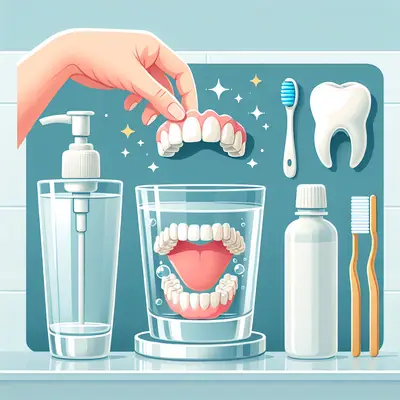
Where—and how—your dentures rest overnight is more consequential than many realize. A premium approach treats overnight storage as an intentional environment rather than an afterthought. Dentures should be kept moist to prevent warping and microscopic cracking, which can subtly alter fit and accelerate wear. Plain, cool or room‑temperature water is suitable for many wearers, but if your dentist has recommended a specific soaking solution, that guidance should take precedence.
The vessel you choose for storage also matters. Opt for a dedicated, lidded denture container—preferably one with a smooth interior surface that is easy to clean daily. This reduces the risk of contamination from household surfaces and keeps your prosthesis away from airborne particles in the bathroom. Place the container on a stable, non‑slip surface, away from sources of heat and direct sunlight, which can distort acrylic over time. As a final refinement, make it a habit to refresh the water or solution every night rather than “topping it off.” This small, disciplined step minimizes bacterial accumulation and supports a consistently hygienic resting environment.
Protecting the Foundation: Gentle Care for Gums, Bone, and Oral Tissues
Exceptional denture maintenance is not only about the prosthesis itself—it is fundamentally about preserving the health and integrity of the tissues that support it. Once dentures are removed, the palate, gums, and ridges deserve the same meticulous attention you would give to natural teeth. Use a super‑soft toothbrush or a clean, damp washcloth to gently massage the gums, palate, and tongue. This removes plaque, stimulates circulation, and can help reduce the risk of denture‑related stomatitis.
If you wear a lower denture or partial, be especially attentive to the delicate tissues on the mandibular ridge; persistent redness, sore spots, or a burning sensation should never be dismissed as “normal.” Integrating an alcohol‑free antimicrobial mouthrinse, used as directed, can add a layer of protection without the drying effect of harsher formulas. For those with a history of dry mouth or mucosal sensitivity, your dentist may recommend specialized products such as moisturizing gels or saliva substitutes. By approaching oral tissue care as a separate, intentional ritual—distinct from denture cleaning—you help maintain a stable foundation that supports long‑term comfort and fit.
Precision in Products: Selecting Cleansers, Brushes, and Adhesives with Intention
Discerning denture wearers recognize that not all products are created equal—and that the wrong choice can quietly compromise both aesthetics and longevity. Abrasive household pastes, whitening toothpastes, and harsh detergents can scratch acrylic and metal surfaces, creating microscopic grooves that harbor stains and bacteria. Instead, opt for cleansers specifically formulated for dentures or removable prosthetics, and confirm that they are compatible with any metal components if you wear partials.
Your brush choice is equally important. A premium routine favors a brush with soft, rounded bristles and a head shape that can access the curved contours and underside of your prosthesis. Replace this brush regularly, just as you would a toothbrush, to avoid frayed bristles that can become unnecessarily abrasive. If you use denture adhesive, apply it with a minimalist mindset: a few small, strategically placed dots or thin strips as recommended by your dentist, rather than a heavy layer. Excess adhesive not only feels inelegant but can interfere with proper seating and complicate cleaning. Finally, when introducing any new product—cleanser, adhesive, or rinse—observe your oral tissues closely for several days. Even sophisticated formulations can cause irritation in sensitive individuals, and early detection allows for graceful adjustment.
The Five Exclusive Insights: Subtle Upgrades for a Truly Refined Routine
Beyond the fundamentals, there are nuanced practices that separate simply “clean” dentures from impeccably maintained ones. These five insights add another level of polish to your daily and weekly care:
Adopt a “Soft-Landing” Protocol
Always clean and handle your dentures over a soft, forgiving surface—a folded towel in the sink or a basin partially filled with water. This elegant precaution protects against accidental drops that can chip teeth, crack bases, or damage clasps. It is a small, practiced gesture that significantly extends the life of your prosthesis.
Schedule a Weekly “Deep Review” Session
Once a week, set aside a few minutes to carefully examine your dentures under good lighting. Look for hairline fractures, loosened teeth, roughened areas, or any subtle changes in color or luster. Run a clean finger gently along the borders to feel for sharp edges or warping. This quiet inspection often reveals concerns early—well before they escalate into discomfort or costly repairs.
Create a No-Heat, No-Bleach Policy—And Keep It Non‑Negotiable
Boiling water, very hot tap water, and bleach‑based solutions can distort acrylic and corrode metal components, even if damage is not immediately visible. Establish a personal rule that dentures are never exposed to high heat or bleach, even for “occasional” deep cleans. This disciplined boundary preserves fit, appearance, and structural integrity over the long term.
Honor Planned “Rest Periods” for Your Oral Tissues
If your dentist agrees it is appropriate for your situation, allow your gums a consistent, daily “rest” without dentures—most often at night. This interval helps reduce chronic pressure, improves tissue resilience, and may decrease the risk of inflammation and fungal overgrowth. Approach this practice as part of your overall self‑care routine, not as a concession.
Institute a Standing Professional Review, Even When Everything Feels Fine
Sophisticated maintenance includes proactive collaboration with your dental professional. Commit to regular evaluations—often annually, or as recommended—whether or not you are experiencing issues. During these visits, your dentist can assess fit, perform a professional cleaning, evaluate bone and soft tissues, and identify early signs of wear or imbalance. This anticipatory approach supports both comfort and aesthetics, and often extends the functional life of your prosthesis.
Conclusion
Impeccable denture maintenance is a quiet art—an interplay of precise technique, thoughtful product selection, and a respect for the delicate structures that support your smile. By moving beyond basic care and integrating refined habits—such as a two‑phase evening cleanse, curated overnight storage, intentional tissue care, and disciplined product choices—you create an ecosystem in which both your dentures and your oral tissues can thrive. The five exclusive insights outlined here offer subtle yet powerful upgrades that help transform routine maintenance into a polished, almost ceremonial practice. Over time, these carefully considered details yield what matters most: a secure, comfortable, and beautifully maintained smile that feels as effortless as it looks.
Sources
- American Dental Association – Dentures – Overview of denture types, care basics, and professional recommendations
- Mayo Clinic – Dentures: How to Care for Them – Practical guidance on cleaning, handling, and maintaining dentures
- Cleveland Clinic – Dentures – Detailed discussion of denture use, lifespan, and care instructions
- National Institute of Dental and Craniofacial Research (NIDCR) – Oral Health in Older Adults – Context on oral health considerations, including prosthetic care, in older adults
- Colgate Oral Care Center – Denture Care Guide – Consumer-focused tips on daily cleaning, soaking, and maintaining denture hygiene
Key Takeaway
The most important thing to remember from this article is that this information can change how you think about Maintenance Tips.