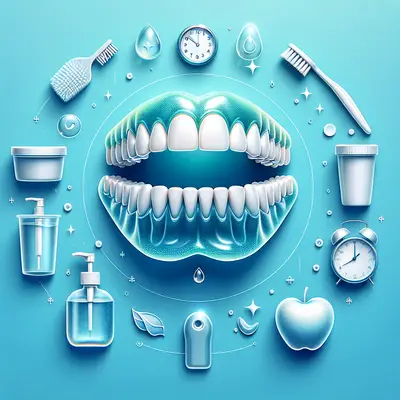
Denture care, when truly refined, moves beyond basic cleaning into a quiet mastery of detail—how materials behave, how tissues respond, and how daily rituals can preserve both comfort and confidence. For discerning wearers, the difference between “acceptable” and “exceptional” lies in nuances most guides never mention. This article explores those nuances, offering five exclusive insights that transform denture care from routine maintenance into a curated standard of personal excellence.
Understanding How Dentures and Oral Tissues Evolve Together
Dentures are not static, and neither is your mouth. The bone and soft tissues that support your dentures gradually change shape, especially in the first years after tooth loss. As the bone remodels and resorbs, the fit you enjoyed initially can shift in ways that are subtle at first yet profoundly influential over time.
This evolving relationship explains why a denture that once felt precise may begin to feel slightly unstable, cause mild rubbing, or require more adhesive than before. Instead of accepting this as inevitable decline, sophisticated care treats it as a signal: an invitation to reassessment. Periodic relining, gentle evaluation of pressure points, and subtle adjustments by a prosthodontist can restore harmony between the appliance and the tissues. Viewing dentures as part of a living system—rather than a fixed object—helps you maintain a consistently elegant, secure fit instead of waiting for major discomfort before seeking care.
Exclusive Insight #1: Precision Hydration for Denture Materials
Not all “soaking” is equal. The way you hydrate your dentures directly affects how they feel, how they fit, and how long they last. Most modern dentures are made of acrylic resins that naturally absorb a small amount of water; this hydration helps the material retain its intended dimensions. When dentures are left dry for extended periods, they can warp microscopically, leading to an almost imperceptible misfit that translates into irritation or tiny movement when you speak or chew.
A refined approach is to treat hydration as a controlled ritual:
- Soak dentures overnight in cool or lukewarm water or a recommended non-abrasive cleansing solution, not hot water, which can distort the base.
- Maintain a consistent habit—nightly soaking avoids cycles of dryness and rehydration that may subtly stress the material.
- If you remove dentures for longer daytime intervals, store them in clean water rather than wrapped in tissues, where they can dry out or be damaged.
This precision hydration helps preserve the intended shape and surface of the denture base, contributing to a smoother, more secure experience day after day.
Exclusive Insight #2: Curating the Ideal Surface Texture for Comfort
Many denture wearers focus on cleanliness but overlook the importance of surface texture. Under magnification, denture materials can exhibit micro-irregularities that invite plaque, staining, and odor-causing bacteria. Even small scratches from improper brushing (such as using a hard-bristled toothbrush or abrasive toothpaste designed for natural teeth) can create a roughened surface that feels less refined and is harder to keep pristine.
An elevated care practice acknowledges texture as part of comfort:
- Use a soft-bristled brush designed specifically for dentures, with a non-abrasive cleanser, to gently preserve a smooth surface.
- Avoid regular toothpaste, baking soda, or abrasive powders, which can microscratch the acrylic and make it more prone to discoloration and plaque buildup.
- Request periodic professional polishing from your dental provider; this can renew the surface, enhancing both feel and aesthetics.
- Pay attention to how the denture feels when your tongue glides across it—a consistently smooth, glass-like texture is a hallmark of meticulous care.
The result is not only improved hygiene but also a tactile experience that feels more luxurious and composed throughout the day.
Exclusive Insight #3: Strategic Use of Adhesives as a Performance Tuning Tool
Denture adhesive, when chosen and used deliberately, can be a sophisticated finishing tool rather than a desperate solution. Instead of applying it to compensate for a poorly fitting prosthesis, think of adhesive as a way to fine-tune stability and comfort in an already well-fitted appliance.
Refined use involves three key principles:
- Minimalism with intention: Apply thin, measured amounts rather than large continuous strips. Overuse can cause material to ooze, trap food, or affect taste, undermining the very elegance you are aiming to maintain.
- Formulation matters: Different adhesives (cream, powder, strips) have subtle performance differences in hold, texture, and cleanup. Testing under professional guidance helps you identify the formulation that best suits your oral anatomy and lifestyle.
- Regular fit checks: If you notice a gradual increase in your adhesive use, it may be a quiet indicator that your tissues have changed and your dentures need adjusting or relining.
By reframing adhesives as part of a calibrated system—not a crutch—you maintain a consistently secure, confident bite that complements your overall standards.
Exclusive Insight #4: Protecting the Oral Microbiome Beneath the Denture
Beneath each denture lies a delicate ecosystem of soft tissues, saliva, and microbiota. Elegant denture care respects this ecosystem, keeping it balanced and healthy rather than merely “clean.” When dentures are worn continuously, especially overnight, the reduced oxygen and trapped moisture beneath the base create favorable conditions for fungal overgrowth, particularly Candida, which can lead to sore, reddened tissues and denture stomatitis.
A premium regimen addresses the hidden side of denture wear:
- Allow your tissues to “breathe” by removing dentures at night, unless your clinician has advised otherwise for specific reasons.
- Gently brush your gums, palate, and tongue with a soft brush once or twice daily to stimulate circulation and help remove biofilm.
- For those prone to fungal issues, your dental professional may recommend specific antimicrobial rinses or targeted treatments.
- Stay attentive to subtle changes—slight burning, redness, or a film beneath the denture surface should prompt a timely evaluation.
This focus on the underlying oral environment ensures that the foundation of your smile remains resilient, healthy, and comfortable—not just cosmetically pleasing.
Exclusive Insight #5: Quiet Monitoring of Jaw, Bite, and Facial Harmony
The most refined denture experiences consider not only how dentures feel in the mouth, but how they integrate with your jaw joints, muscles, and overall facial aesthetics. Over time, changes in bone height, denture wear, or bite alignment can shift the way your upper and lower dentures meet. These shifts can exert extra pressure on certain areas, subtly strain the jaw muscles, or alter the way your lips and cheeks are supported.
Attuned monitoring looks for these understated signals:
- Mild morning jaw stiffness or a sense of fatigue after chewing can indicate that your bite is no longer optimally balanced.
- Gradual changes in facial support, such as deepened lines around the mouth or a subtly “collapsed” lower face, sometimes reflect that the vertical dimension of your dentures—the distance between the jaws when in contact—may need refinement.
- Periodic evaluations with a prosthodontist, who specializes in complex restorative and denture cases, can ensure your bite, jaw movement, and facial profile remain in elegant alignment.
By viewing your dentures as part of a broader facial and muscular system, you preserve a natural, composed appearance and reduce the risk of long-term discomfort or functional issues.
Conclusion
Truly elevated denture care is not defined by a single product or quick tip, but by a carefully considered relationship between materials, tissues, habits, and aesthetics. Precision hydration, curated surface texture, intentional adhesive use, protection of the oral microbiome, and quiet monitoring of jaw and facial harmony—these five exclusive insights transform a necessary appliance into a finely tuned extension of your personal standard.
When you embrace this level of attention, your dentures do more than replace teeth. They support a life lived with ease, poise, and a confidence so natural it barely announces itself—yet is unmistakably present in every word, every smile, and every shared moment.
Sources
- American Dental Association – Dentures - Overview of denture types, care basics, and professional guidance on maintenance
- Mayo Clinic – Dentures: Common Questions - Explains fit, adjustment, and long-term considerations for denture wearers
- Cleveland Clinic – Dentures - Details on materials, oral tissue changes, relines, and long-term care recommendations
- National Institutes of Health – Denture Stomatitis Review - Research-based discussion of fungal overgrowth and mucosal health under dentures
- American College of Prosthodontists – Patient Resources - Specialist perspectives on fit, bite, and when to seek professional adjustment or replacement
Key Takeaway
The most important thing to remember from this article is that this information can change how you think about Denture Care.