Elegance in dentistry is rarely about what others notice—it is about what they never suspect. Impeccably maintained dentures are quiet evidence of discipline, discernment, and respect for craftsmanship. This is less about “cleaning your dentures” and more about curating a refined care ritual that preserves precision fit, lustre, and comfort year after year.
Below you’ll find five exclusive, often-overlooked insights designed for those who expect their prosthetics to perform—and age—as gracefully as they do.
The Microfilm Mindset: Treating Plaque Like a Designer Fabric Stain
Denture plaque isn’t just a cosmetic nuisance; it is a microscopic biofilm that behaves very much like a stain on fine fabric—once set, it becomes stubborn, dulling both appearance and texture.
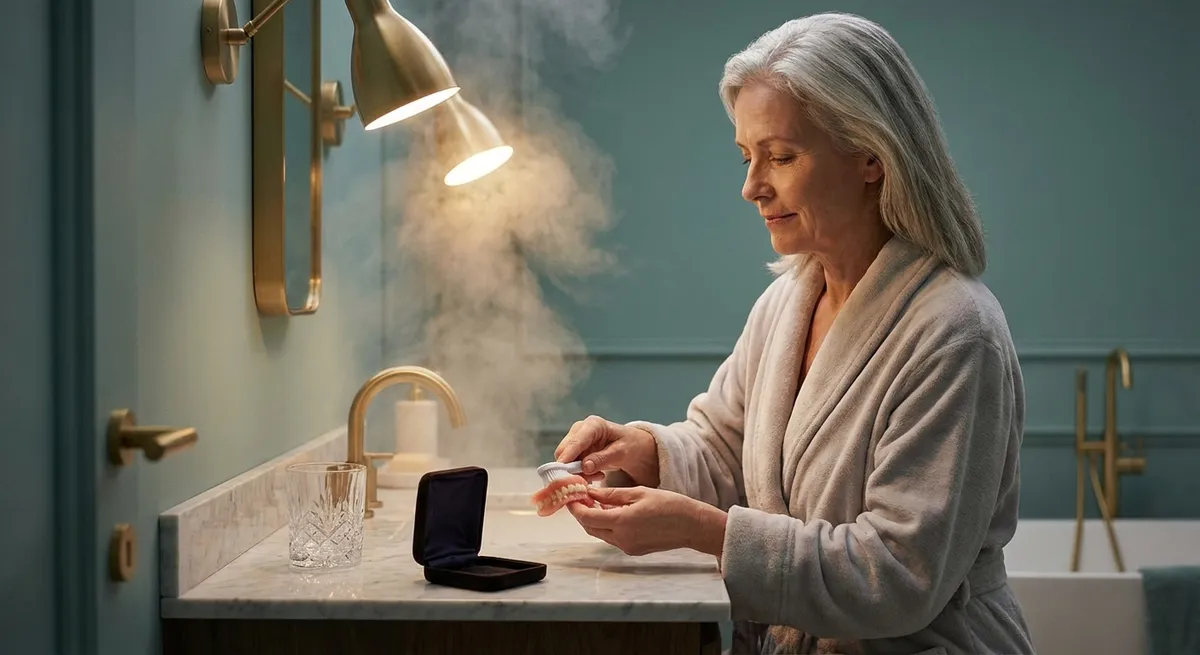
Approach cleaning as you would care for tailored clothing: gentle, consistent, and precise. Instead of brushing aggressively, use a soft-bristle brush and a non-abrasive denture cleanser to lift plaque rather than scour it away. Abrasive toothpaste, baking soda, and harsh scrubbing eventually create micro-scratches on the denture surface, giving plaque more places to cling and discoloration more opportunity to take hold.
Commit to cleaning immediately after your last meal or drink (aside from water). This timing matters: you interrupt the early formation of biofilm before it matures into a more resistant layer. Think of it as “pre-treating” a delicate material the moment a spill occurs—swift, calm, and deliberate. Over months and years, this microfilm mindset dramatically slows the dulling and roughening that often ages dentures prematurely.
Temperature Discipline: Protecting the Invisible Architecture of Your Dentures
Fine crystal and precision dental prosthetics share one thing in common: they respond poorly to thermal shock. Hot water may feel comforting, but it can subtly warp certain denture materials over time, disturbing the delicate balance between the prosthesis and the oral tissues.
Practice temperature discipline. Clean and soak your dentures only in cool to lukewarm water, never hot. When consuming very hot beverages, let them cool slightly before sipping, particularly if you wear a full upper denture where heat can be trapped against the palate. Those slight, repeated exposures to high temperature can accelerate material fatigue, affect fit, and ultimately require earlier relining or replacement.
This disciplined approach extends to storage as well. Never leave dentures near radiators, in a hot car, or exposed to direct sunlight on a windowsill. Treat them as you would a precision instrument: kept at stable, moderate conditions that preserve their structural integrity. Such vigilance rarely shows in the short term—but in five to ten years, the difference in comfort and fit can be striking.
Nightly Restoration: Elevating Soaking from Habit to High-Performance Ritual
Overnight soaking is often presented as a simple hygiene tip, but in a more refined care strategy, it becomes a restorative ritual with clearly defined purpose. Dentures should not only be “left in a cup”—they should be immersed in the right solution, at the right duration, for the right reasons.
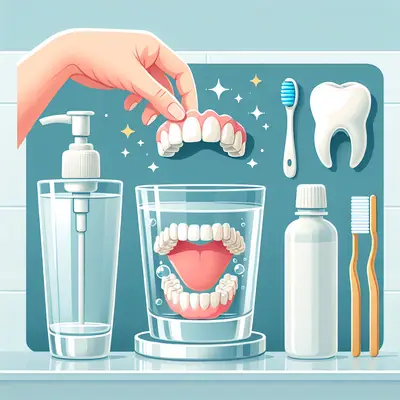
Use a reputable effervescent denture cleanser in cool or lukewarm water, following the time indicated by the manufacturer. This isn’t merely about freshness; these formulations help break down protein deposits, reduce microbial load, and minimize staining that can otherwise accumulate even with careful brushing. Avoid household cleaners, vinegar-and-bleach “hacks,” or any improvised solutions—these may compromise the denture material or metal components over time.
Equally important, give your oral tissues a full overnight rest. Sleeping without dentures allows the gums and underlying bone to recover from the day’s pressure, improves circulation, and reduces the risk of denture stomatitis (a common inflammatory reaction often linked to constant wear). The result is not only better oral health but also more stable comfort and retention as the years progress. In the morning, always rinse dentures thoroughly before placing them back in your mouth to remove any residual cleanser.
Precision Fit Preservation: Early Micro-Adjustments Instead of Late-Stage Repairs
A sophisticated approach to denture maintenance recognizes the quiet reality of biology: your mouth will change, even if your denture does not. Bone resorption and soft tissue shifts are inevitable over time, which means the most “perfect” fit at delivery is not permanent—it requires stewardship.
Rather than waiting until discomfort, looseness, or sore spots become obvious, adopt a philosophy of early micro-adjustment. Schedule regular professional reviews—even when everything “feels fine”—to verify fit, evaluate bite balance, and check for early signs of pressure points or uneven wear. Subtle adjustments or a timely reline can restore contact surfaces and stability long before problems escalate into chronic irritation or instability.
Avoid the temptation of over-the-counter home relining kits as a long-term solution. While they may seem convenient, misapplied materials or uneven thickness can destabilize the bite or mask underlying issues that require professional attention. By treating your dentist or prosthodontist as an ongoing partner in fit preservation, you maintain not only comfort but also the graceful, natural look of a properly supported smile.
Surface Elegance: Guarding Against Quiet Staining and Odor Traps
Maintaining a denture that looks refined over many years is not simply about “white” teeth—it is about safeguarding surface elegance. Tiny imperfections on the denture base and teeth act as quiet traps for pigment, odor, and bacteria, gradually eroding the sense of freshness and polish.
To minimize staining, be consciously selective with deep-pigment foods and beverages—red wine, black tea, coffee, certain berries, and curry-based dishes. You need not avoid them entirely, but rinsing with water soon after consumption and removing the dentures for a proper clean later in the day can significantly reduce pigment absorption. Smoking and vaping are particularly unkind to denture aesthetics, accelerating both discoloration and odor; reducing or eliminating these habits is one of the most powerful refinements you can make.
Periodically, consider professional polishing of your dentures. Dental professionals can use specialized instruments and pastes to smooth tiny surface irregularities and restore a more lustrous finish—something at-home care cannot fully replicate. This not only rejuvenates the appearance but also makes it harder for plaque, deposits, and stains to adhere, resulting in a fresher feel and a more elevated look over the long term.
Conclusion
Truly refined denture maintenance is less about strict rules and more about cultivated awareness—of temperature, timing, texture, and subtle shifts in comfort and fit. By approaching your dentures as precision-crafted instruments rather than mere appliances, you protect their function, preserve their beauty, and extend their lifespan.
These five insights—microfilm management, temperature discipline, restorative soaking, proactive fit stewardship, and surface elegance—form a quiet, powerful framework for long-term denture success. The reward is a smile that remains convincingly natural, effortlessly polished, and reliably comfortable, year after year.
Sources
- American College of Prosthodontists – Denture Care and Maintenance – Outlines professional recommendations for daily cleaning, soaking, and handling of dentures.
- American Dental Association – Dentures – Provides general guidance on living with and caring for dentures, including fit, cleaning, and nighttime removal.
- National Institutes of Health (NIH) – Denture Stomatitis Review (PMC) – Discusses causes and prevention of denture-related stomatitis, reinforcing the importance of overnight removal and hygiene.
- Cleveland Clinic – Dentures: Types, Care & Complications – Covers practical aspects of denture cleaning, storage, relining, and fit issues.
- Mayo Clinic – Oral Health: A Window to Your Overall Health – Explains the connection between oral hygiene (including prosthetic care) and broader systemic health.
Key Takeaway
The most important thing to remember from this article is that this information can change how you think about Maintenance Tips.