For many discerning adults, modern dentures are not simply medical devices; they are an integral part of a curated, confident life. Beyond basic cleaning and routine check-ups lies a more refined dimension of denture care—one that honors comfort, discretion, and long-term oral health. This is where small, intentional choices quietly elevate everyday experience.
Below, we explore five exclusive, often-overlooked insights that help transform denture wear from merely functional to truly effortless.
Understanding the “Break‑In Symphony”: How Your Mouth Quietly Adapts
The first weeks with new dentures are less a single “adjustment period” and more a subtle, coordinated transformation between your gums, muscles, and bite. This process is dynamic and deserves patient, attentive care.
Soft tissues are learning new pressure points, while your tongue and cheeks are refining how they guide your dentures during speech and chewing. Minor sore spots, fleeting lisping, or a slight feeling of excess bulk are typically signs of adaptation rather than failure. However, meticulously tracking how these sensations evolve—when they improve, what triggers discomfort—gives your dentist highly actionable information for micro-adjustments.
A refined approach includes short, frequent wear sessions early on, followed by carefully timed breaks. This avoids overwhelming the tissue and helps identify exactly where support needs fine-tuning. Thoughtful follow-up visits, ideally scheduled rather than reactive, ensure that your denture is not simply “tolerated” but tailored to your physiology with precision.
Precision Hydration: Protecting Tissues and Fit with Intentional Moisture
Most denture wearers know that a dry mouth is uncomfortable. Fewer recognize that how you manage hydration can quietly influence fit, longevity, and comfort.
Saliva is a natural stabilizer. It creates a thin, lubricating film between your denture and the underlying tissues, aiding suction and reducing friction. Chronic dryness—whether from medications, aging, or lifestyle—can lead to irritation, micro-abrasions, and a perception that dentures feel loose or “scratchy,” even when the fit is structurally sound.
Beyond simply drinking more water, a sophisticated strategy might include:
- Selecting alcohol-free mouth rinses that preserve moisture rather than strip it
- Using dentist-recommended saliva substitutes or gels in the evening to protect tissues overnight
- Prioritizing water-rich foods (like cucumbers, melon, broth-based soups) during the day to support subtle, ongoing hydration
- Discussing medication-induced dry mouth with your physician to explore dose timing or alternatives where appropriate
This is “precision hydration”: discreet, consistent habits that defend against discomfort and maintain an elegant, stable feel throughout the day.
Denture Adhesives as Fine-Tuning Tools, Not Crutches
Adhesives are often misunderstood as a last resort—something to mask a poor fit. In reality, when used judiciously on well-designed dentures, they can offer a refined level of security and confidence, especially in social or high-demand settings.
A premium approach to adhesive use includes:
- Viewing adhesive as an enhancer, not a structural necessity
- Applying the thinnest, evenest possible layer in a few strategic points rather than overloading the surface
- Choosing formulations designed for your needs—sensitive gums, all-day functions, or maximum hold for active lifestyles
- Periodically testing “no adhesive” days to ensure you are not compensating for changes that actually warrant a professional adjustment
If you find yourself needing more adhesive over time, that is valuable diagnostic information. It may indicate natural bone resorption, weight changes, or tissue shifts—signals that your dentures need reline or refinement rather than more product. The most discerning wearers treat adhesive as a precision instrument, not a substitute for an expertly fitted appliance.
The Nighttime Ritual: Honoring Bone, Gums, and Microflora
Removing dentures at night is often presented as a simple rule. In practice, it is an opportunity for a restorative ritual that protects your oral structures and extends the life of your prosthesis.
When dentures remain in place around the clock, the underlying tissues never truly rest. Persistent pressure and reduced airflow can increase the risk of fungal overgrowth, irritation, and even accelerate bone loss over time. A well-composed evening routine might include:
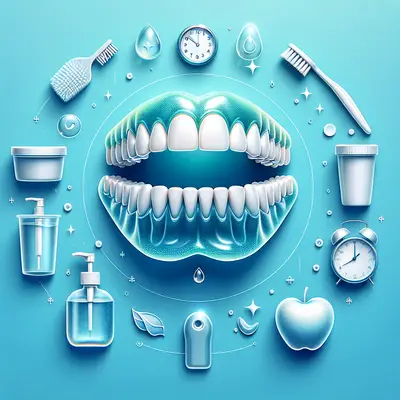
- Gently brushing gums, palate, and tongue with a soft brush to stimulate circulation and clear biofilm
- Soaking dentures in a cleanser specifically formulated for prosthetics (not hot water, which can distort shape)
- Ensuring they are fully rinsed in the morning to remove any residual solution before reinsertion
- Leaving yourself a moment to observe your gums and the inside of your cheeks in the mirror, noting any color changes, sore spots, or indentations that persist
This is more than hygiene—it is daily, intentional surveillance of your oral health. Such small observations, shared with your dentist early, can prevent minor irritations from evolving into chronic issues.
Long‑View Stewardship: Planning for the Next Chapter of Your Smile
Denture care is not static; it is a long-term relationship between your prosthesis, your oral structures, and your broader health. Elite care means anticipating change rather than merely reacting to it.
Over several years, the underlying bone and tissues naturally remodel. Weight changes, health conditions like diabetes or osteoporosis, and shifts in jaw alignment can subtly influence how your dentures sit and function. Instead of waiting for a dramatic decline in comfort, refined wearers:
- Commit to scheduled reassessments—typically annually, or as recommended by their dentist—to evaluate fit, bite, and tissue health
- Ask proactively about relining or rebasing timelines, rather than delaying until discomfort becomes obvious
- Notify their dental team of major health changes (new medications, systemic conditions, jaw pain, or changes in facial profile) that may influence fit
- Consider periodic professional cleanings of their dentures to remove microscopic build-up that at-home care may not fully address
This long-view mindset recognizes dentures as part of a broader, evolving health narrative. By treating them with the same seriousness and foresight as vision correction or orthopedic devices, you preserve not only function but also the aesthetic integrity and quiet confidence that come with a stable, well-maintained smile.
Conclusion
Living elegantly with dentures is not about rigid rules; it is about finely tuned awareness. When you attend to hydration with intention, treat adhesives as a precision tool, respect nighttime healing, and plan thoughtfully for the future, your dentures cease to feel like an accommodation and become an integrated, almost invisible part of your life.
These exclusive, nuanced practices invite a different paradigm—one where your prosthetics, your habits, and your health work in concert, allowing you to move through the world with ease, poise, and enduring self-assurance.
Sources
- American Dental Association – Dentures – Overview of types of dentures, care recommendations, and expectations for new wearers
- Mayo Clinic – Dry Mouth (Xerostomia) – Explains causes and management of dry mouth, a common concern for denture wearers
- National Institutes of Health – Oral Health in Aging Adults – Discusses age-related changes in oral health, including denture considerations
- Cleveland Clinic – Dentures: Uses, Types & Care – Provides practical guidance on denture fitting, maintenance, and follow-up care
- Centers for Disease Control and Prevention – Oral Health for Adults – Broad context on adult oral health and how prosthetic solutions fit into overall wellness
Key Takeaway
The most important thing to remember from this article is that this information can change how you think about Denture Care.