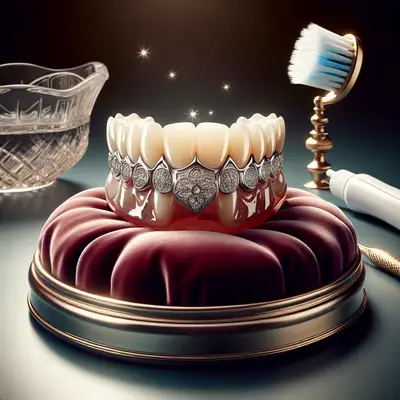
Denture wear is no longer a compromise; in the right hands, it is a crafted experience. Beyond the basic advice of brushing, soaking, and regular checkups lies a more refined layer of knowledge—nuances that distinguish mere functionality from true, day‑to‑day elegance. This is where denture care becomes less about “getting by” and more about curating a quietly confident smile and a consistently comfortable life.
Below are five exclusive, elevated insights designed for discerning denture wearers who expect more than the standard script.
Insight 1: Treat the Fit as a Living Conversation, Not a One‑Time Event
A beautifully made denture can feel like a revelation when it is new, yet the mouth is not a static environment. Bone resorption, subtle shifts in bite, and changes in soft tissue mean that a perfect fit today may be a gentle compromise a year from now.
Sophisticated denture care recognizes fit as an ongoing dialogue with your dentist, not a single appointment. Plan for periodic “fit reviews,” even when nothing feels overtly wrong. Tiny pressure points, mild rocking when you bite, or a faint whistle when speaking can all be early signals that your denture base and your oral anatomy are beginning to diverge. Addressing these changes early allows for precision adjustments or relining, preserving both comfort and facial support.
Moreover, a well‑maintained fit does more than prevent irritation—it protects the underlying bone and soft tissue from excessive stress, helping maintain your facial contours and the refined lines of your profile. Think of these appointments as tuning a high‑end instrument: subtle, meticulous, and invaluable over time.
Insight 2: Elevate Your Night Routine Into a Protective Ritual
For most denture wearers, the nighttime routine is reduced to “take them out and soak.” A more cultivated approach frames this as a nightly restoration ritual for both the prosthesis and the tissues that support it.
Begin with a dedicated denture brush and a non‑abrasive cleanser—not standard toothpaste—to avoid micro‑scratches that harbor bacteria and discoloration. Next, consider alternating between a gentle daily cleanser and, a few nights a week, an antibacterial soak validated for denture materials. This dual approach keeps stains, plaque, and odor at bay while preserving the integrity of the acrylic and any metal components.
Equally important is what happens once the dentures are out. Lightly massaging the gums, palate, and ridges with a soft toothbrush or clean fingertip enhances circulation and helps the soft tissue recover from the day’s mechanical pressure. This is an understated but powerful practice that supports long‑term comfort and mitigates common complaints like sore spots, “tired” gums, and a feeling of heaviness by evening.
The result is a routine that feels less like a chore and more like an evening reset for your oral environment.
Insight 3: Refined Hydration and Saliva Management for All‑Day Poise
Comfortable denture wear relies on more than fit alone; the quality and quantity of saliva are quietly decisive. Too little moisture, and dentures can feel unstable and abrasive. Too much, and speaking can become self‑conscious and imprecise.
Hydration is the obvious foundation, but sophisticated care goes beyond “drink more water.” If you live in an air‑conditioned or heated environment, or take medications that reduce saliva, discuss saliva‑supporting strategies with your dentist or physician. Sugar‑free xylitol gums or lozenges, specially formulated dry‑mouth rinses, and certain mouth moisturizers can create a smoother interface between denture and tissue, improving adhesion and comfort.
At the same time, be judicious with beverages that dry the mouth—alcoholic drinks, very caffeinated beverages, or highly acidic sodas. These can subtly undermine the oral environment, making even a well‑fitted denture feel less stable and more irritating.
By curating your hydration habits, you are not just supporting general health—you are fine‑tuning the invisible conditions that make your dentures feel unobtrusive and naturally integrated into your day.
Insight 4: Discreet Eating Strategies That Preserve Elegance at the Table
Dining with dentures should feel composed, not cautious. The secret lies in a few understated techniques that protect both dignity and comfort.
First, think of chewing as a symmetrical act. Rather than favoring one side, train yourself to distribute food evenly on both sides of the mouth. This balanced approach reduces rocking of the denture and minimizes pressure points. Choose textures thoughtfully when you will be eating in company—opt for tender cuts of meat, steamed rather than raw vegetables, and grains that do not fragment into sharp pieces.
Second, cut food into slightly smaller bites than you might have before dentures. This is not about restriction; it is about control. Smaller portions are easier to position and chew efficiently, helping avoid unexpected slipping or discomfort. For particularly challenging foods, such as crusty bread or fibrous meats, consider enjoying them in more private settings until you have perfected your personal technique.
Finally, be attentive to temperature. Very hot foods can subtly warp denture materials over time, and strong temperature contrasts—ice‑cold followed by steaming hot—can heighten sensitivity of the underlying tissues. By refining what and how you eat, you protect both your prosthesis and your composure.
Insight 5: Curating a Long‑Term Aesthetic: Color, Shape, and Subtle Aging
Well‑designed dentures do more than restore function; they shape the visual language of your face. Over time, however, the relationship between the prosthetic teeth, your facial structure, and your personal style can evolve.
First, make periodic aesthetic assessments part of your care. Are the teeth still appropriately bright for your age and complexion, or does the shade now appear too stark or too dull? Are the edges of the front teeth still aligned in a way that flatters your smile and lip line? Does the support under the lips and cheeks still provide the gentle fullness you prefer, or do you notice a slight “collapse” or thinning?
Discoloration, minor chipping, and surface wear are all manageable when addressed early. Professional cleaning and polishing can restore luster that home care cannot, while targeted adjustments—or, in some cases, a thoughtfully updated set—can keep your appearance in harmony with your evolving self-presentation.
This is not vanity; it is continuity. A refined denture strategy aligns function, comfort, and aesthetics over the years, so that your smile feels authentically yours at every stage.
Conclusion
Exceptional denture care is not defined by a single product or instruction; it is the accumulation of thoughtful, consistent choices over time. When you treat fit as an ongoing collaboration, elevate your nightly routine, refine hydration, practice discreet but effective eating strategies, and periodically reassess aesthetics, your dentures transition from “appliance” to “asset.”
The true luxury in denture wear is quiet confidence: knowing that your smile, your comfort, and your daily rituals are aligned with the standards you hold for the rest of your life. With a more cultivated approach, dentures become not a reminder of loss, but a carefully designed expression of who you are.
Sources
- National Institute of Dental and Craniofacial Research – Dentures – Overview of denture types, fit, and care recommendations
- American College of Prosthodontists – Dentures FAQ – Professional guidance on expectations, fit adjustments, and maintenance
- Mayo Clinic – Dry Mouth (Xerostomia) – Explains causes and management of dry mouth, highly relevant to denture comfort
- Cleveland Clinic – Dentures – Discusses care routines, relining, and long‑term management
- Columbia University College of Dental Medicine – Complete Dentures Patient Guide – Provides detailed, evidence‑based instructions for wear, cleaning, and adjustment
Key Takeaway
The most important thing to remember from this article is that this information can change how you think about Denture Care.