A refined smile is never an accident; it is the outcome of quiet discipline, discreet expertise, and a commitment to maintenance that goes well beyond the obvious. For discerning denture wearers, true luxury lies not only in aesthetics, but in how comfortably and seamlessly those prosthetics integrate into daily life. The following five maintenance insights are crafted for those who value subtlety, longevity, and the particular satisfaction of knowing their dentures are cared for at a level few consider—and fewer achieve.
1. The Temperature Discipline: Training Yourself to Protect the Base
One of the most underrated elements of denture maintenance is temperature control—both in what you consume and how you clean. Acrylic and other denture materials are highly sensitive to heat; prolonged exposure to very hot liquids can subtly distort the fit, leading to micro-changes that compound over time. This is not dramatic warping, but the kind that gradually turns a once-precise fit into mild irritation, tiny pressure points, or a whisper of looseness you notice only when speaking certain words.
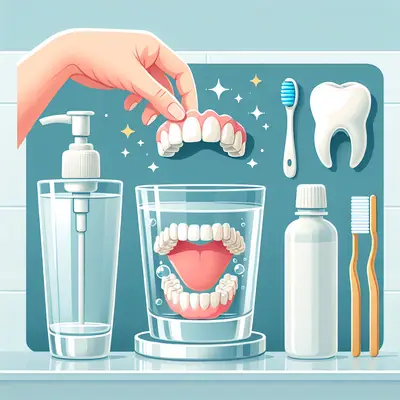
Cultivating “temperature discipline” means adopting a consistent approach: lukewarm or cool water for rinsing, room-temperature soaking solutions, and a conscious pause before sipping very hot beverages. Allow tea, coffee, and soups to cool slightly before contact with your dentures—especially if you tend to sip slowly. Envision temperature as a preservation tool: each controlled degree is another gesture toward protecting the structural integrity of your prosthesis. Over months and years, this subtle restraint helps maintain both comfort and stability, reducing the need for frequent adjustments or relines.
2. Precision Polishing: Elevating Daily Brushing Beyond the Basics
Daily brushing of dentures is often treated as a simple chore; for the sophisticated wearer, it becomes a ritual of precision. The aim is not aggressive scrubbing, but controlled, deliberate polishing that preserves surface integrity while minimizing microscopic roughness where plaque and stains can adhere. A soft-bristled denture brush and a non-abrasive denture cleanser—not regular toothpaste—are essential, as many conventional pastes are formulated for natural enamel and can be too harsh on acrylic.
Approach your brushing technique the way a conservator might handle a delicate artifact: small circular motions, even pressure, and particular attention to the areas that contact soft tissues and clasp points (for partials). Under running lukewarm water, inspect your dentures from every angle, looking for subtle film or buildup that might not be immediately visible. This level of scrutiny ensures that your dentures remain not only clean but also aesthetically crisp—resisting dullness, odor retention, and the slow accumulation of surface wear. Over time, this mindful approach reduces staining and preserves the prosthesis’s refined appearance.
3. The Soft-Tissue Reset: A Nightly Ritual for Gums and Bone
Many denture wearers focus so intently on the prosthesis that they neglect the living foundation: the gums and underlying bone. A nightly “soft-tissue reset” is an elevated practice that supports long-term fit and comfort. Once your dentures are removed in the evening, your attention turns to the mouth itself: gently brushing the gums, tongue, and palate with a soft toothbrush helps stimulate blood flow, remove plaque, and reduce the bacterial load that can lead to irritation or denture stomatitis.
For those seeking a more curated routine, consider a lukewarm saltwater rinse (if approved by your dentist) to soothe tissues and maintain an environment that discourages fungal overgrowth. Lightly massaging the gums with clean fingers can be extraordinarily beneficial—supporting circulation and comfort, particularly along the ridge where dentures rest. Keeping your mouth free of the prosthesis for several hours overnight allows the tissues to decompress and recover from the day’s mechanical forces. This quiet, nightly care is one of the most powerful investments you can make in the long-term stability and comfort of your dentures.
4. Adhesive as an Accessory, Not a Crutch
Denture adhesive can be a valuable ally, but only when used with intention. The sophisticated approach treats adhesive as an accessory—not the foundation—of the fit. Properly fabricated dentures should rely primarily on anatomical support, suction, and precise design. Adhesive, then, becomes a refining tool: a small amount to enhance security during lengthy social engagements, public speaking, or meals away from home, rather than a daily necessity to compensate for a poor fit.
Choosing a high-quality adhesive and using minimal quantities is essential—too much product can trap food particles, encourage plaque accumulation, and complicate cleaning routines. Equally important is the discipline of completely removing adhesive residue each evening, both from the denture base and from the gums. If you notice a growing reliance on adhesive for everyday stability, treat that as premium-level feedback from your mouth—not something to endure, but a cue to schedule a professional evaluation. Addressing bone changes, tissue adaptation, or a needed reline early helps maintain both functionality and the understated elegance of a confident, natural-feeling smile.
5. The Quarterly Audit: Treating Your Dentures Like a Fine Instrument
A truly elevated maintenance philosophy acknowledges that dentures, like finely crafted instruments, benefit from periodic expert review. While annual dental visits are often recommended, many discerning wearers embrace a more intentional rhythm: a “quarterly audit,” whether formal or self-conducted, to evaluate the condition of both dentures and oral tissues. This may coincide with professional cleanings and checks or, between appointments, a structured self-assessment.
In a well-lit space, inspect your dentures for hairline fractures, worn clasps (in partials), thinning areas on the base, or subtle discoloration that resists cleaning. Pay attention to how your bite feels when you first insert your dentures each morning: are you noticing a slight shift in how your teeth meet, or a new area of mild rubbing on the gums? Keep a small notebook or digital note for observations—tiny details that, when shared with your dentist, can guide timely refinements before minor issues become disruptions. This mindset transforms maintenance from reactive problem-solving into a calm, proactive stewardship of your smile.
Conclusion
True denture luxury is not defined by the initial fabrication alone, but by the quiet, daily rituals that preserve comfort, aesthetics, and confidence over years of wear. Temperature discipline, meticulous polishing, nightly soft-tissue care, thoughtful adhesive use, and periodic audits together create a maintenance framework that feels less like a burden and more like a private, elevated practice. In this space, your dentures are not merely functional devices—they are curated extensions of your presence, cared for with the same discernment you bring to every other detail of your life.
Sources
- American Dental Association – Dentures – Overview of denture types, care recommendations, and professional guidance.
- Mayo Clinic – Dentures: How to Care for Them – Practical recommendations for daily cleaning, handling, and maintenance.
- Cleveland Clinic – Dentures – Information on fit, adjustments, and long-term expectations for denture wearers.
- National Institutes of Health (NIH) – Denture Hygiene and Stomatitis – Research-based insights into the relationship between denture hygiene, tissue health, and inflammation.
- Columbia University College of Dental Medicine – Caring for Dentures – Academic guidance on preserving denture integrity and maintaining oral tissues.
Key Takeaway
The most important thing to remember from this article is that this information can change how you think about Maintenance Tips.