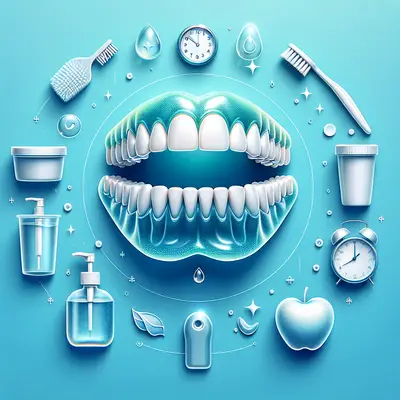
A well‑crafted denture is more than a functional appliance; it is a signature element of your presentation—quietly precise, impeccably maintained, and never drawing attention to itself. For those who view their smile as part of a larger standard of personal excellence, denture care becomes less about routine and more about refinement. This guide moves beyond the basics to explore nuanced practices that keep your dentures—and the tissues beneath them—in peak condition, day after day.
Understanding Your Dentures as Precision Instruments
High‑quality dentures are engineered objects, with exacting curves, pressure points, and surface finishes. Treating them as such changes how you care for them. The acrylic base and porcelain or resin teeth can be scratched, warped, or discolored by harsh cleaners or hot water, just as a fine leather or silk garment can be ruined by careless laundering.
Your daily protocol should therefore be designed to preserve the original precision of the fit. Think in terms of “preservation, not punishment”: no abrasive toothpaste, no boiling water, no improvised tools. A soft denture brush, cool to lukewarm water, and non‑abrasive cleanser protect the microscopic smoothness of the surface, which in turn reduces plaque adherence and staining. The more you maintain that pristine surface, the less “work” your cleaning routine has to do, and the longer your dentures maintain their fit, comfort, and understated elegance.
The Foundation Beneath the Smile: Elite Soft‑Tissue Care
Exemplary denture care begins where the acrylic ends—at the mucosa, bone, and remaining teeth (if any). The tissues under your dentures deserve the same level of attention you would give to your complexion or hands: gentle, deliberate, and consistent.
After removing your dentures at night, take a moment to inspect your gums, palate, and tongue under good lighting. Use a soft toothbrush or a clean, damp gauze to massage and cleanse the areas where your dentures rest. This does more than remove plaque and debris; it stimulates circulation, helping the tissues remain resilient and less prone to sore spots.
For those with partial dentures, flawless care of natural teeth is non‑negotiable. Flossing, interdental brushes, and meticulous cleaning of abutment teeth (those that clasp the denture) preserve their integrity and extend the life of your prosthesis. Adding an alcohol‑free antimicrobial rinse can provide a subtle layer of protection against inflammation, without the drying effect that can exacerbate oral discomfort.
Five Exclusive Insights for Elevated Denture Care
These five refined insights go beyond generic advice and are designed for denture wearers who insist on quiet excellence in every detail.
1. Micro‑Polishing Mindset: Protecting the Surface Finish
Think of the denture surface as a polished stone countertop: once scratched, it collects stains and debris more easily. Standard toothpaste—especially “whitening” formulas—can be surprisingly abrasive on acrylic. Instead, use a cleanser specifically formulated for dentures and a brush labeled soft or extra soft.
A weekly or bi‑weekly professional polish at your dentist’s office can restore a sleek, mirror‑like finish that home care alone can’t achieve. This micro‑polishing approach doesn’t just enhance appearance; it makes daily cleaning more efficient and helps maintain a naturally luminous, not artificial, sheen.
2. Temperature Discipline: The Silent Guardian of Longevity
Subtle warping can undermine even the finest fit. Exposing dentures to very hot water, steam, or heat sources (like radiators or hair dryers) may imperceptibly alter their shape over time. The result is often a vague sense that the denture feels “different,” less secure, or more irritating—without an obvious fracture or break.
Make it a rule that anything comfortably warm to your hand is acceptable, but never hot enough to produce steam. Cool or lukewarm water should be your default for both rinsing and soaking. When cleaning dishes or using a hot tap, set your denture care aside and use a different basin or bowl with controlled temperature—a small but meaningful discipline that preserves a precise fit.
3. Strategic Soaking: Customizing Your Overnight Routine
Not every denture benefits from the same soaking ritual. For many, a non‑abrasive denture solution used overnight helps keep stains, plaque, and odor at bay. However, if you wear dentures with metal components (such as partials), you must select a cleanser specifically labeled as safe for metal to avoid corrosion.
If your mouth tends to be dry, an alternative strategy can be to soak your dentures for a portion of the night (for cleaning and disinfecting), then store them in water only for the remainder. This reduces prolonged exposure to strong cleaning agents while still delivering hygiene benefits. Discuss with your dentist whether a continuous overnight soak in an antimicrobial solution is ideal for your particular materials and oral condition, rather than assuming a one‑size‑fits‑all protocol.
4. Fit Audits: Scheduled Check‑Ins Before Problems Appear
Elite denture care is proactive, not reactive. Much like a well‑tailored suit that needs occasional adjustments as your body changes, dentures require periodic “fit audits.” Bone and soft tissues beneath dentures remodel gradually over time, even when you feel no pain. By the time you notice looseness, small shifts may already be affecting your bite, speech, and chewing efficiency.
Commit to routine professional evaluations—often every 6 to 12 months, or as advised. During these visits, your dentist can identify pressure spots, early signs of friction ulcers, changes in bite, and minor cracks before they become visible or uncomfortable. Relines or adjustments performed early feel seamless; left too long, they can become corrective rather than preventive, which is rarely as elegant an experience.
5. Lifestyle Pairing: Aligning Habits with Your Denture’s Design
The most refined denture experience emerges when your daily patterns are harmonized with the specific engineering of your prosthesis. For instance, if you have an implant‑supported denture with robust anchorage, your dietary possibilities are significantly broader than with a delicate conventional upper denture. Understanding this difference allows you to enjoy more varied textures without anxiety.
Similarly, if your denture has a particularly delicate flange (the edge that meets your cheeks and lips), you may wish to avoid aggressive whitening strips or high‑alcohol mouthwashes that can dry or irritate surrounding tissues. If your speech relies on precise placement of the tongue against certain tooth shapes, simple at‑home articulation exercises—reading aloud for a few minutes daily—can help maintain the seamless, natural quality of your voice, especially after any adjustment or reline.
Discretion in Daily Life: Smell, Storage, and Travel
A truly elevated denture routine considers not only hygiene and comfort but also the discretion with which everything is managed. Odor control begins with impeccable cleaning, but it is completed by your storage and handling choices. Rinse dentures thoroughly after soaking to remove residual cleanser, which can cause both taste disturbances and subtle chemical odors.
For storage, choose a high‑quality, well‑sealed, ventilated case that looks intentionally chosen, not improvised—especially for travel. When staying at hotels or with guests, opt for opaque containers rather than clear cups. This small gesture preserves privacy while signaling that your oral care is curated, not makeshift. If you travel frequently, keep a dedicated “travel kit” with a compact soft brush, individual denture cleanser tablets, and a slim case, so your routine remains consistent, regardless of location.
Partnering with Your Dental Team: A Concierge Approach
The pinnacle of denture care is achieved in partnership with an attentive dental team. Rather than approaching visits only when something is wrong, view your dentist and dental hygienist as ongoing collaborators in preserving your distinctive smile. Share your expectations: the types of food you enjoy, the social or professional settings you move in, and any subtle changes you have noticed—even if they feel minor.
Ask for tailored guidance: which cleanser is ideal for your specific denture materials, how often they recommend professional cleanings and polishes, and whether any adjunct products (like specialized brushes, conditioners, or moisturizers for dry mouth) would meaningfully complement your habits. When your denture care is managed with the same intentionality as bespoke grooming or wardrobe choices, each visit becomes a refinement session, not a rescue mission.
Conclusion
A distinguished denture experience is created not by a single product or procedure, but by a constellation of thoughtful choices—how you clean, store, evaluate, and live with your dentures every day. When you treat your dentures as precision instruments and your oral tissues as a foundation worthy of meticulous care, your smile stops feeling like an accommodation and starts feeling like an asset.
By embracing micro‑polishing habits, disciplined temperature control, tailored soaking strategies, proactive fit audits, and lifestyle habits aligned with your denture’s design, you honor both the craftsmanship of the appliance and your own standards. The result is a smile that never calls attention to itself—because it simply looks, feels, and functions as though it has always belonged to you.
Sources
- American Dental Association – Dentures – Overview of types of dentures and basic care recommendations from the ADA
- Mayo Clinic – Dentures: How to Care for Them – Practical guidance on cleaning, storage, and when to seek professional help
- Cleveland Clinic – Dentures – Detailed explanation of denture types, fit, and maintenance considerations
- National Institute of Dental and Craniofacial Research (NIDCR) – Oral Health for Older Adults – Evidence‑based information on oral health challenges and care in adulthood, including tooth replacement
- Colgate Oral Care Center – Caring for Your Dentures – Consumer‑oriented overview of daily denture hygiene and handling best practices
Key Takeaway
The most important thing to remember from this article is that this information can change how you think about Denture Care.