There is a quiet elegance in knowing your smile is impeccably maintained—no complications, no drama, just seamless confidence. Thoughtful denture care is less about strict rules and more about cultivating refined habits that preserve comfort, aesthetics, and long-term oral health. Beyond the usual advice to “clean daily” and “avoid harsh chemicals,” there is a more nuanced approach that discerning denture wearers can adopt—one that treats dentures less like a medical appliance and more like a bespoke piece of craftsmanship.
Below, you’ll find five exclusive, elevated insights designed for those who expect more from their daily routine—and from their smile.
Insight 1: Treat Your Dentures Like Fine Jewelry, Not Just a Tool
High-quality dentures are closer to finely crafted jewelry than to everyday utensils—and they respond best when treated with the same care.
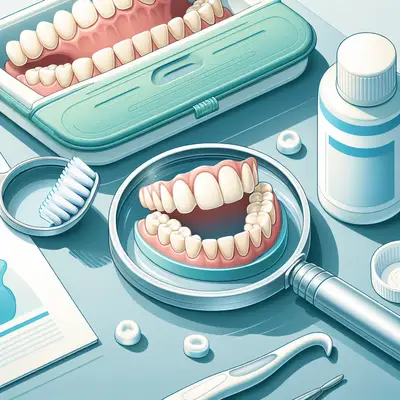
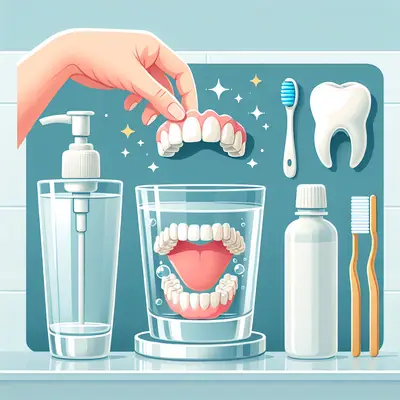
Rather than brushing them hurriedly over the sink, create a small, dedicated “care station” for your dentures. Lay down a folded towel or place a basin of water beneath your hands when cleaning to buffer accidental drops. Use a soft, denture-specific brush and non-abrasive cleanser, avoiding regular toothpaste, which can create micro-scratches that dull the surface and attract stains.
Handle the dentures by their sturdier sections instead of squeezing the clasps or thin acrylic edges; this reduces the risk of hairline fractures or bending. Think of this as the difference between tossing a watch into a drawer and placing it into a lined case—both will “work,” but only one respects the craftsmanship.
By elevating the context—time, tools, and environment—you transform a chore into a deliberate ritual that extends the life, comfort, and beauty of your dentures.
Insight 2: Curate a 24-Hour Care Rhythm, Not Just a Bedtime Soak
Most advice stops at “remove and soak overnight,” but refined care looks at the entire 24-hour cycle. Your dentures, gums, and supporting bone respond to how you treat them throughout the day, not just at night.
Start the morning not by immediately inserting your dentures, but by gently rinsing and massaging your gums with a soft, damp cloth or a very soft-bristled toothbrush. This supports circulation, helps reduce plaque on the soft tissues, and prepares your mouth for a more comfortable fit. Before placing your dentures, rinse them thoroughly to remove any remaining solution that may irritate your tissues.
During the day, a discreet mid-day rinse with water (or an alcohol-free mouth rinse that is compatible with dentures) can clear food particles and reduce odor. This is especially helpful after coffee, tea, or wine, which can slowly stain acrylic and porcelain surfaces. In the evening, avoid falling asleep with dentures in; overnight wear is linked to higher risks of pneumonia, gum inflammation, and oral infections in older adults.
By viewing your denture care as a continuous rhythm—morning preparation, daytime refresh, evening reset, and overnight rest—you support both the integrity of the prosthesis and the health of the tissues that support it.
Insight 3: Protect the “Invisible” Surfaces You Never See in the Mirror
Most people focus on the visible, tooth-like surfaces of the denture, but the true foundation of long-term comfort lies in the parts you rarely see: the fitting surface, clasps, and delicate inner edges.
The tissue-facing side of the denture (the base that rests on your gums or palate) is where biofilm and Candida can quietly accumulate. This buildup may not be obvious visually but can contribute to denture stomatitis, irritation, and persistent “denture breath.” When brushing, give deliberate attention to these unseen areas with small, circular motions and gentle pressure. A clear, unscented dish soap or denture cleanser (as recommended by your dentist) can effectively cleanse without damaging the material.
For partial dentures, metal clasps deserve special attention. Over time, they can harbor plaque that transfers to natural teeth, increasing the risk of decay and gum disease. Clean around and under these clasps meticulously, and ensure that any adhesive residue is thoroughly removed from both the denture and your oral tissues.
This quiet focus on the hidden architecture of your dentures preserves not only their longevity but also your underlying oral health—an investment that doesn’t show up in the mirror, but reveals itself in daily comfort.
Insight 4: Calibrate Fit and Comfort Proactively, Not Reactively
A truly elevated maintenance routine goes beyond cleaning; it anticipates subtle changes before they become problems. Bone and gum tissues naturally remodel over time, especially after tooth loss, which means a denture that fit beautifully two years ago may now be placing pressure in all the wrong places.
Instead of waiting for sore spots, looseness, or clicking when speaking, schedule regular fit evaluations with your dentist or prosthodontist—even if everything seems “fine.” A professional assessment may reveal early signs of uneven pressure, minor rocking, or areas where food is starting to collect more frequently. These are opportunities for small adjustments or relines that keep your experience smooth and stable.
At home, pay attention to micro-signals: a slight shift when you bite into firmer foods, a faint rubbing sensation at the end of the day, or an increase in the amount of adhesive you feel you “need” to stay secure. These are gracious early warnings, not inconveniences. Addressing them early maintains not just comfort, but the refined feel of a denture that behaves like a natural part of you.
In the realm of premium care, “good enough” fit is never the goal; quiet, effortless, consistent comfort is.
Insight 5: Align Your Nutrition and Hydration With Denture Longevity
Maintenance isn’t only what you do to the dentures—it’s also what you do for the mouth that supports them. Thoughtful choices in what and how you eat and drink can help preserve the stability, cleanliness, and feel of your prosthesis.
Staying well hydrated supports saliva production, which is vital for lubrication, cushioning, and natural cleansing. A dry mouth can make dentures feel unstable, cause friction, and encourage fungal overgrowth. If you frequently wake with dry mouth or rely on multiple medications, discuss saliva substitutes or strategies with your dental professional to maintain a more balanced oral environment.
Food texture also matters. While it’s entirely possible to enjoy a broad, satisfying diet with dentures, frequent reliance on very sticky, hard, or brittle foods can strain the appliance or force it to rock, subtly loosening the fit over time. Reserving these foods as occasional indulgences—paired with slow, mindful chewing on both sides of the mouth—can reduce stress on the denture base and the remaining bone.
Finally, prioritize nutrient-dense choices rich in calcium, vitamin D, and protein to support the underlying bone and soft tissues. Even though your natural teeth may be gone or reduced, your jawbone and gum health are still fundamental to how your dentures perform. A refined denture routine acknowledges this quiet connection between what you eat and how your smile feels.
Conclusion
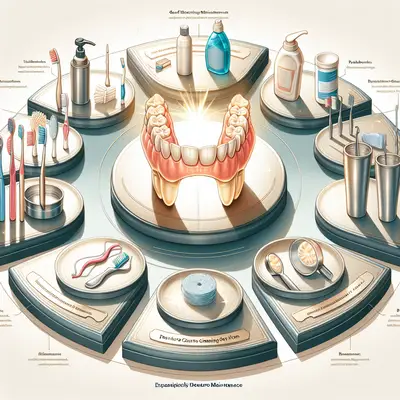
Impeccable denture maintenance is less about rigid rules and more about intentional, elegant routines. When you begin to treat your dentures as carefully as a tailored garment or a fine timepiece, every detail—from the way you clean hidden surfaces to how you structure your day—contributes to a seamless, elevated experience.
By embracing a 24-hour rhythm of care, protecting the invisible architecture of your dentures, proactively tuning the fit, and aligning your nutrition and hydration with oral comfort, you create more than just cleanliness—you cultivate a sense of effortless assurance each time you smile, speak, or share a meal.
In the end, true luxury in denture care is not about extravagance; it is about quiet, consistent excellence that allows your dentures to disappear into the background of a life lived with confidence.
Sources
- American Dental Association – Dentures – Overview of denture types, care recommendations, and professional guidance for maintenance
- Cleveland Clinic – Dentures: Benefits, Types and Care – Detailed explanation of how dentures should be cleaned, stored, and monitored over time
- National Institute of Dental and Craniofacial Research – Oral Health in Older Adults – Discusses age-related oral health considerations, including tooth loss, dry mouth, and prosthetic use
- Colgate Oral Care Center – Denture Care Instructions – Practical guidance on daily denture hygiene and avoidance of common damage
- Mayo Clinic – Dry Mouth (Xerostomia) – Explores causes and management of dry mouth, highly relevant to denture comfort and stability
Key Takeaway
The most important thing to remember from this article is that this information can change how you think about Maintenance Tips.