A well-crafted denture does more than replace teeth—it restores presence, poise, and ease in every interaction. Yet the true elegance of a prosthetic smile lies not only in its fabrication, but in the quiet, consistent rituals that preserve its comfort, clarity, and longevity. Thoughtful maintenance transforms dentures from a simple appliance into a refined extension of your personal style.
This guide explores a more elevated approach to ongoing denture care, with five exclusive insights that move beyond the usual “brush and soak” advice. Consider it a blueprint for maintaining your prosthetic smile with the same discretion and discernment you bring to the rest of your daily routine.
Understanding the Materials: Caring for the Prosthesis You Actually Own
Not all dentures are created from the same materials, and subtle differences in acrylics, resins, and metals meaningfully influence how you should care for them. Full acrylic dentures, flexible partials, and implant-supported prostheses each respond differently to heat, cleaners, and handling, yet many wearers are given only generic maintenance instructions.
Begin by asking your dentist for a written breakdown of your denture’s materials and components—base composition, type of teeth, any metal framework, and attachment systems if applicable. This information guides whether your prosthesis can tolerate certain cleansers, ultrasonic devices, or specific soaking solutions. For instance, some metal-containing partial dentures can be damaged by bleach-based cleaners, while flexible dentures may lose their shape with excessively hot water.
Once you understand your specific combination of materials, you can tailor your routine accordingly: choosing non-abrasive cleansers, moderating water temperature, and avoiding products that prematurely wear the polished surface. This material-specific approach preserves clarity, resists staining, and extends the aesthetic life of the prosthesis far beyond the usual expectations.
The Micro-Detail Clean: A Precision Approach to Daily Hygiene
Most guidance stops at “brush your dentures,” but a truly refined routine pays attention to the micro-details—those small areas where bacteria, stains, and calculus quietly accumulate. The palate of an upper denture, the inner clasps of a partial, and the margins that meet your gums demand more nuanced care.
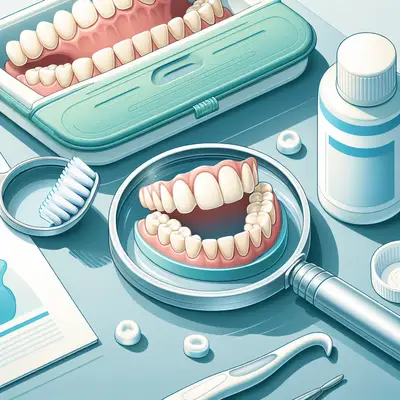
In addition to a soft denture brush, consider assembling a small “precision kit”: an ultra-soft, compact-head toothbrush, interdental brushes suitable for non-metal areas, and a dedicated, non-abrasive cleanser formulated for dentures. Focus on the internal surfaces that contact tissue, the junctions around clasps, and the occlusal (biting) surfaces where plaque can encourage staining and odor.
Use gentle, controlled pressure rather than vigorous scrubbing; excessive force can create micro-scratches that trap stain and biofilm. Rinse thoroughly with lukewarm water after cleaning to remove residue from cleansers, as lingering solution can irritate underlying tissues. Over time, this meticulous attention to the less-visible surfaces preserves both comfort and discretion—your denture remains visually pristine and functionally fresh, even under close inspection.
Hydration and Fit: Protecting Both Acrylic and Oral Tissues
Dentures live in a humid, dynamic environment, and both the prosthesis and your oral tissues depend heavily on moisture balance. Acrylics can warp if left dry for extended periods, while oral tissues become more susceptible to irritation and fungal overgrowth when the mouth is chronically dry.
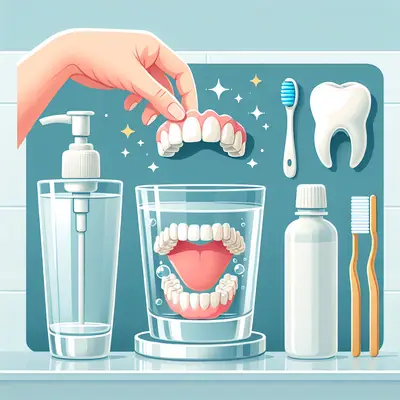
Overnight, your denture should rest fully submerged in water or in a solution specifically designed for soaking. Avoid hot water and never allow the denture to sit dry on a bedside table or in a tissue—both habits can compromise the fit and structural integrity. If you use effervescent cleansing tablets, confirm they are suitable for your specific denture type and follow the recommended soaking time rather than leaving them indefinitely in solution.
Equally important is the hydration of your tissues. If you experience dry mouth, discuss it with your dentist or physician; certain medications and health conditions significantly reduce saliva flow. Saliva substitutes, sugar-free lozenges, or sprays, when medically appropriate, can help maintain a healthier environment under the denture, reducing friction, soreness, and the risk of fungal infections such as oral thrush. The result is not only improved comfort, but a more secure-feeling fit throughout the day.
Discreet Midday Care: A Private Ritual for Public Confidence
The most polished denture wearers develop a discreet midday ritual that quietly resets comfort, clarity, and freshness—especially after meals, long meetings, or travel. This is not about elaborate routines; it is about having a silent strategy that preserves confidence in social or professional settings.
Consider assembling a compact, understated care kit: a slim, vented case, a small bottle of alcohol-free mouth rinse, pre-moistened, denture-safe cleaning wipes, and perhaps a travel-sized soft brush. After a meal, a brief visit to the restroom allows you to gently rinse your mouth, clear away trapped food particles, and lightly refresh the surfaces of your denture without an obvious production.
Avoid overly strong, alcohol-based mouthwashes that can dry tissues and sometimes alter the taste or surface feel of your denture. Opt instead for mild, alcohol-free formulations that gently neutralize odors while preserving oral comfort. This quiet ritual—two or three minutes at most—keeps the prosthesis feeling newly placed, and it markedly reduces the likelihood of odor, irritation, or visible debris throughout the day.
Proactive Professional Care: Treating Adjustments as Fine Tuning, Not Repairs
Many denture wearers wait until there is visible damage or significant discomfort before seeking professional care. A more sophisticated approach treats follow-up visits as proactive fine tuning—akin to maintaining a well-crafted timepiece—rather than emergency repairs.
Schedule regular evaluations, typically at least once a year, even if everything feels acceptable. Over time, the bone and soft tissues of the jaws subtly remodel, and a denture that felt perfect two years ago may now be placing uneven pressure in specific areas. Your dentist can check the fit, assess occlusion (how the teeth meet), and identify early signs of wear, fractures, or tissue irritation before they become disruptive.
Procedures such as relining (refreshing the tissue-contacting surface) can dramatically enhance comfort, stability, and longevity. Early intervention also reduces the risk of sore spots, ulcerations, or fungal infections under ill-fitting dentures. By treating these visits as routine refinement rather than crisis management, you preserve both the physical integrity of the prosthesis and the quiet, unhurried confidence that comes from knowing your smile is impeccably maintained.
Conclusion
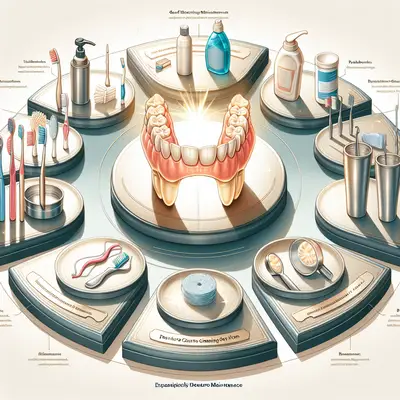
An elegant denture is not defined solely by its initial craftsmanship, but by the standard of care it receives every day. Understanding your materials, embracing precision cleaning, protecting hydration, curating discreet midday rituals, and approaching professional care proactively all contribute to a prosthetic smile that remains stable, comfortable, and visually refined over time.
When maintenance becomes a considered ritual rather than a rushed obligation, your denture transitions from a mere replacement to a seamlessly integrated part of your identity—reliable, understated, and beautifully kept.
Sources
- American Dental Association – Dentures – Overview of denture types, basic care recommendations, and what to expect from wear.
- Mayo Clinic – Dentures: Alternatives to Missing Teeth – Explains denture options, use, and general maintenance considerations.
- Cleveland Clinic – Dentures – Detailed guidance on wearing, cleaning, and adjusting to dentures, including professional follow-up.
- National Institutes of Health (NIH) – Oral Candidiasis – Clinical discussion of oral fungal infections, including those associated with denture wear.
- Colgate Oral Care Center – Denture Care Instructions – Practical advice on daily denture cleaning, products, and handling techniques.
Key Takeaway
The most important thing to remember from this article is that this information can change how you think about Maintenance Tips.