Denture care, at its best, is less a chore and more a quiet ritual of self-respect. For discerning wearers, maintenance is not simply about keeping appliances functional—it is about preserving comfort, confidence, and the subtle elegance of a well-kept smile. When approached with intention, a denture care routine can feel almost bespoke, tailored to the unique contours of your mouth, lifestyle, and standards.
This guide moves beyond the basics to explore five exclusive, detail-focused insights that help transform ordinary upkeep into exceptional care.
The Evening Reset: Treating Dentures and Tissues as a Paired System
Many people focus solely on the dentures themselves, overlooking the equally important health of the tissues that support them. Yet the true foundation of comfortable wear lies in a well-cared-for mouth.
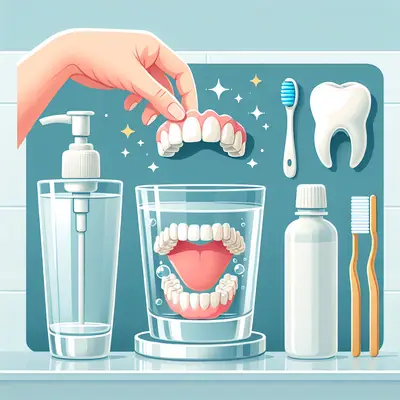
Begin your evening routine by removing your dentures and rinsing them under lukewarm running water to eliminate surface debris. Avoid hot water, which can warp the material. After removal, give equal attention to your gums, tongue, and palate. Gently brush these areas with a soft toothbrush or a dedicated ultra-soft brush to stimulate circulation and clear away plaque and residual adhesive. This simple step helps reduce irritation, supports blood flow to the tissues, and can improve how comfortably your dentures seat the next day.
Consider this your “reset” moment: dentures are brushed, soaked, and set aside, while the mouth is cleansed and allowed to rest. Leaving dentures out overnight, as recommended by most dental professionals, also allows tissues to recover from the day’s pressure and friction. The result is not only better hygiene, but also a fresher, more relaxed feel when you reinsert your dentures in the morning.
Precision Cleaning: Gentle Tools, Thoughtful Motions
For premium results, think of denture cleaning less as scrubbing and more as precision detailing. Abrasive methods may produce a quick visual shine, but over time they can create microscopic scratches that harbor bacteria and stains.
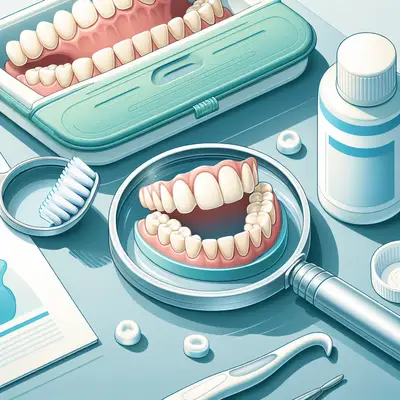
Invest in a dedicated denture brush or a soft-bristled toothbrush with a slim head that allows you to reach under curves, clasps (for partials), and fine contours. Use a non-abrasive denture cleanser or mild liquid soap approved by your dentist—never regular toothpaste, which is often too abrasive for denture materials. Clean over a basin filled with water or a folded towel to cushion accidental drops.
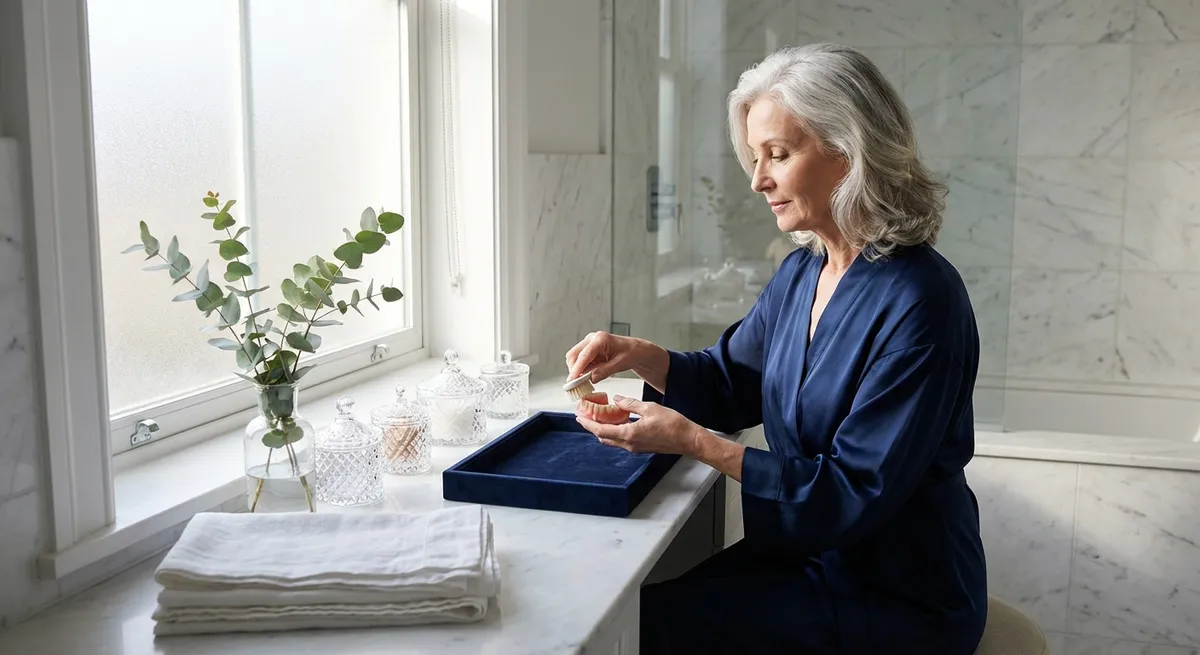
Approach the task methodically: start with the outer surfaces, then attend to the inner surfaces that rest against your gums, followed by attention to any clasps or metal components. Small, controlled motions allow you to clean effectively without excessive force. This approach preserves the smooth finish of the denture, reduces staining, and supports a fresher feel against oral tissues. Over months and years, this gentle precision can be the difference between a denture that ages gracefully and one that looks prematurely tired.
Smart Soaking: Customizing Your Overnight Care
Soaking is often treated as a generic step—drop dentures into a solution and forget them. But a more refined approach tailors soaking to the material of your denture, your sensitivity, and your specific needs.
First, confirm with your dentist or denturist whether your appliance is acrylic, metal-based, implant-supported, or made with flexible materials. Not all denture cleansers are appropriate for all types; some solutions may tarnish metal, weaken soft liners, or degrade certain flexible bases. Choose a reputable, denture-specific soaking solution aligned with your appliance type and follow the timing instructions precisely. Longer is not always better—over-soaking in strong solutions can, over time, dull the surface or dry out materials.
If you have a soft liner or experience tissue sensitivity, ask your clinician whether alternating between a standard effervescent cleanser and a milder, non-bleaching solution is appropriate. For some wearers, this alternating strategy offers a balance between deep cleaning and gentleness. Always rinse thoroughly with cool running water before reinsertion to remove residual cleanser and avoid unpleasant taste or potential irritation.
Ultimately, the goal of soaking is not just disinfection; it is preservation—of shape, fit, smoothness, and comfort.
Adhesive as a Finishing Touch, Not a Foundation
Denture adhesive, when used thoughtfully, can refine comfort and stability. When overused or relied upon to compensate for poor fit, it becomes a signal that something in the system needs attention.
A minimal, carefully placed amount of adhesive can help provide a sense of security without oozing or buildup. Apply in short, thin strips or small dots rather than continuous heavy lines. This allows the denture to seat closer to the tissues and reduces the risk of excess material squeezing out at the margins. If you find yourself needing more adhesive over time, take it as useful feedback: bone and soft tissues change, and dentures that once fit impeccably may now need adjustment, relining, or replacement.
Each evening, remove residual adhesive completely—both from the denture and from your gums. A soft cloth, gauze pad, or soft brush with warm water can help, sometimes with the addition of a mild soap if recommended by your provider. Leaving adhesive on overnight can trap plaque and irritate tissues, undermining the polished experience you are aiming for.
Used well, adhesive is an elegant enhancement; used excessively, it is a sign that professional refinement is due.
Professional Refinement: Scheduled Appointments as Part of Your Routine
The most meticulous at-home routine cannot replace the insight of a skilled professional. Integrating regular dental visits into your maintenance strategy is vital, not only for the dentures but for your overall oral and systemic health.
Schedule periodic check-ups—even if your dentures feel comfortable. During these visits, your dentist will assess tissue health, look for signs of irritation, fungal overgrowth, or pressure spots, and evaluate how well your dentures are functioning with your bite, speech, and facial support. Subtle changes—such as a slightly altered jaw relationship or minimal bone resorption—may not be obvious day to day but can become significant over time. Early, minor adjustments are far more comfortable than waiting until sore spots or instability become a problem.
Additionally, professional polishing can restore luster to surfaces that have become microscopically roughened by everyday wear, foods, and cleansers. This high-level finishing not only enhances appearance but also makes the dentures easier to keep clean at home.
By treating dental visits as essential touchpoints in your long-term maintenance strategy, you secure not just a functional appliance, but an enduring, well-balanced smile that supports the way you present yourself to the world.
Conclusion
Exceptional denture maintenance is ultimately an expression of personal standards. It is found in the quiet decisions: to cleanse tissues as carefully as the appliance, to choose gentler tools, to customize soaking solutions, to treat adhesive as a subtle aid rather than a crutch, and to welcome professional refinement before problems arise.
When these elements come together, your routine transcends simple “care” and becomes a refined ritual—one that protects your health, preserves your comfort, and sustains a polished, confident presence every day.
Sources
- American College of Prosthodontists – Denture Care and Maintenance – Professional guidance on daily cleaning, handling, and routine care of dentures.
- Mayo Clinic – Dentures: How to Care for Them – Overview of best practices for cleaning, handling adhesives, and protecting oral tissues.
- Cleveland Clinic – Dentures: Types, Care and Complications – Detailed information on types of dentures, fit issues, and when to seek professional adjustments.
- Colgate Oral Care Center – Caring for Dentures – Practical advice on brushing, soaking, and avoiding common damage.
- National Institute of Dental and Craniofacial Research (NIDCR) – Oral Health for Older Adults – Context on oral health considerations, including denture use, for aging populations.
Key Takeaway
The most important thing to remember from this article is that this information can change how you think about Maintenance Tips.