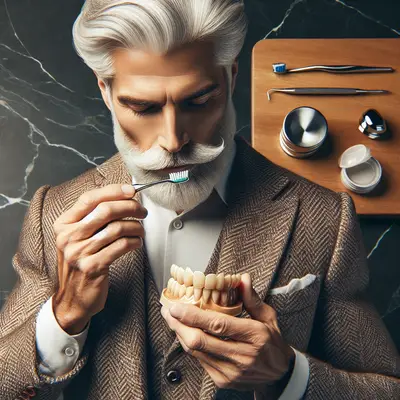
Cultivated oral care with dentures is less about rigid rules and more about a considered ritual—one that protects your health, preserves your prosthetics, and quietly enhances your confidence every day. Beyond basic brushing and soaking lies a more nuanced approach, where texture, timing, and technique all play a role.
For discerning denture wearers, the goal is not simply “clean enough,” but impeccably maintained. Below, you’ll find a sophisticated framework for oral hygiene with dentures, including five exclusive insights that transform routine care into an elevated daily standard.
Rethinking “Clean”: The New Standard for Denture Freshness
Clean dentures are not merely stain-free; they are biologically calm—free from the invisible film of bacteria, fungi, and food residue that can compromise both comfort and health. Many wearers assume that a quick rinse under the tap or an occasional overnight soak is sufficient. In reality, dentures behave like a refined yet porous material: they absorb odours, harbour microbes, and respond to temperature, chemistry, and time.
A refined oral hygiene ritual begins with acknowledging that your dentures occupy a delicate intersection between medical device and aesthetic investment. This means attending to three dimensions of “clean”: visible clarity (no staining or plaque deposits), tactile smoothness (no rough, sticky film), and neutral odour (no lingering “denture smell”). Achieving this triad requires consistent care of both the prosthesis and the tissues that support it—your gums, tongue, palate, and any remaining natural teeth.
By elevating your expectations of what “clean” truly means, every subsequent step in your routine becomes more intentional. You’re no longer just “washing dentures”; you’re preserving a carefully crafted extension of your smile.
The Foundation: Elegant Daily Hygiene for Denture Wearers
A sophisticated denture routine rests on a few non‑negotiable pillars: daily mechanical cleaning, meticulous care of the mouth itself, and thoughtful product selection. Mechanical cleaning—gentle brushing of dentures with a soft brush and non‑abrasive cleanser—remains the cornerstone. Abrasive toothpaste, especially whitening formulas, can etch micro‑scratches into denture surfaces, making them more prone to staining and plaque.
Equally critical is the often-overlooked environment in which dentures sit. Gums, the tongue, and the palate should be gently brushed or massaged with a soft toothbrush or moistened gauze once or twice daily to disrupt biofilm and promote healthy circulation. If you have remaining natural teeth, they require full, meticulous care: brushing twice daily with fluoride toothpaste and thorough interdental cleaning.
An elegant approach also respects timing. Clean dentures after meals whenever possible, not only at the end of the day. A brief rinse and soft brushing with cool or lukewarm water can prevent residue from drying and hardening. Think of it as “turn‑down service” for your prosthesis—small, consistent touches that preserve excellence over time.
Five Exclusive Insights for the Discerning Denture Wearer
1. The “Tissue Holiday”: Nighttime as a Strategic Reset
Removing dentures at night is more than tradition; it is a biological necessity for refined oral health. Constant coverage deprives the tissues of oxygen and creates a warm, moist environment ideal for fungal overgrowth—particularly Candida, which can lead to denture stomatitis (sore, reddened tissue under the denture).
A “tissue holiday” of at least 6–8 hours overnight allows the palate and gums to recover from the mechanical pressure and reduced airflow imposed by dentures. During this period, lightly brushing or massaging the tissues with a damp, soft brush improves micro‑circulation and helps maintain a healthy, resilient foundation. Think of it as nightly spa time for your mouth: restorative, quiet, and non‑negotiable.
2. Precision pH Management: A Subtle Shield Against Odour and Decay
Behind every fresh, well‑kept denture is a balanced oral pH. Frequent snacking, sugary beverages, and dry mouth can lower the pH in your mouth, encouraging bacterial growth, odour, and (if you have natural teeth) decay. Denture wearers with reduced saliva flow—from medications or aging—are especially susceptible.
Subtle but effective strategies include sipping plain water throughout the day, limiting sugary or acidic drinks to mealtimes, and considering sugar‑free gum or lozenges containing xylitol (if your dentist approves). These measures help maintain a more neutral environment, discouraging microbial overgrowth on both dentures and oral tissues. For those with partial dentures, this pH vigilance becomes a quiet yet powerful protector of the remaining natural dentition.
3. Texture Awareness: Reading Surfaces With Your Fingertips
One of the most refined skills a denture wearer can cultivate is tactile awareness. After cleaning, run a clean fingertip lightly over the denture surfaces—especially along the inner flanges and under any clasps on partials. A properly cleaned denture feels uniformly smooth, almost glass‑like. Any tackiness, roughness, or slight “drag” under the finger often signals residual plaque or calculus beginning to form.
This “texture check” is more discerning than simply glancing at the denture under the light. It also helps you detect early signs of wear or microscopic cracking that may trap debris or allow odours to linger. Engaging your fingertips in your routine transforms cleaning from a chore into a form of quality control, ensuring your prosthesis remains as pristine as its design intended.
4. Curated Product Pairings: Matching Cleansers to Materials
Not all denture cleansers are equally suited to every prosthesis. Complete acrylic dentures, flexible partials, and metal‑framework partials may respond differently to certain chemicals. Effervescent cleansing tablets designed specifically for dentures are generally appropriate, but some formulations are not ideal for metal components or may contribute to gradual fading of soft liners.
A refined approach involves confirming with your dentist or prosthodontist which solutions are compatible with your specific appliance. As a rule, avoid hot or boiling water (which can warp acrylic), household bleaches not expressly intended for dentures, and abrasive powders. A tailored product pairing—soft brush, non‑abrasive denture cleanser, and a recommended soaking solution—ensures both a hygienic result and a graceful aging of the prosthesis material itself.
5. Scheduled Elegance: Professional Polishing as Preventive Luxury
Truly elevated oral hygiene does not end at the bathroom mirror. Periodic professional evaluation—typically every 6–12 months—serves as both a safety check and an aesthetic refinement. During these visits, your dentist can assess the fit of your dentures, identify pressure spots, examine the soft tissues for signs of irritation or infection, and gently polish away stains and deposits that home care may miss.
This polishing is more than cosmetic; it restores the smoothness that resists plaque and preserves comfort. Subtle adjustments can also prevent sore spots, improve chewing efficiency, and reduce the risk of fractures or cracks. Think of these visits as scheduled elegance—discreet yet indispensable appointments that keep your prosthesis, and the tissues that support it, in their finest condition.
Beyond the Denture: Nurturing the Entire Oral Environment
Denture hygiene is truly complete only when the entire oral environment is considered. Hydration, nutrition, systemic health, and medication all influence how your mouth responds to a prosthesis. Adequate water intake supports saliva production, which in turn helps buffer acids, lubricate tissues, and naturally cleanse surfaces.
For those who experience dry mouth (xerostomia), particularly common in older adults or those on multiple medications, the impact on denture comfort and stability can be significant. Your clinician may recommend saliva substitutes, moisturizing gels, or specific mouthrinses free from high alcohol content, which can further dry tissues.
Equally important is consistency. A sophisticated routine is one you can maintain daily: gentle brushing of dentures after meals, overnight removal and soaking in an appropriate solution, meticulous care of the oral tissues, and regular professional oversight. Over time, this quiet discipline yields a mouth that feels comfortable, a prosthesis that remains visually impeccable, and a level of confidence that needs no announcement.
Conclusion
Oral hygiene with dentures, when approached with discernment, becomes a refined practice rather than a mere obligation. By pairing daily mechanical cleaning with thoughtful tissue care, pH balance, product curation, and regular professional maintenance, you build an ecosystem in which both your dentures and your oral tissues thrive.
The five insights above—tissue holidays, pH management, texture awareness, curated product selection, and scheduled professional polishing—offer a framework for those who expect more than adequacy from their oral care. In attending to these details, you honour not only the craftsmanship of your dentures, but also the health, comfort, and quiet sophistication of your smile.
Sources
- American Dental Association – Dentures – Overview of denture types and general care recommendations
- National Institutes of Health – Denture Stomatitis Review – Clinical insights on causes, risk factors, and prevention of denture-related stomatitis
- Mayo Clinic – Dry Mouth (Xerostomia) – Explanation of dry mouth, its causes, and management strategies relevant for denture wearers
- Cleveland Clinic – Dentures: Uses, Types & Care – Practical guidance on wearing and maintaining dentures, including hygiene recommendations
- Columbia University College of Dental Medicine – Complete and Partial Dentures – Educational resource detailing professional care, fit, and follow-up for denture patients
Key Takeaway
The most important thing to remember from this article is that this information can change how you think about Oral Hygiene.