Denture maintenance, at its highest level, is less about rigid rules and more about cultivating a quiet, meticulous ritual. It is the difference between simply “managing” a prosthetic and curating a consistently impeccable smile. When your dentures are entrusted with your appearance, your comfort, and your confidence, the way you care for them becomes a statement of personal standards.
Below, you’ll find five exclusive, elevated insights that go beyond basic instructions—subtle refinements that sophisticated denture wearers use to preserve clarity, comfort, and enduring elegance in their daily lives.
1. The “Temperature Discipline” Habit: Protecting Structure and Surface
Most guidance mentions lukewarm water, but very few emphasize just how strategic temperature control can be in a refined maintenance routine. Denture materials are susceptible to micro-changes when repeatedly exposed to overly hot or cold temperatures; over time, this can subtly disturb the fit, surface texture, and even the way your dentures rest against oral tissues.
Develop a consistent “temperature discipline” habit:
- Rinse and soak in cool-to-lukewarm water only—never hot, never near boiling.
- Avoid placing dentures under direct hot tap water, especially after meals.
- When cleaning with a brush, ensure your cleansing solution and water are at a comfortable, neutral temperature—think “quietly warm,” not steaming.
- If you drink very hot beverages, allow them to cool slightly before sipping, particularly with new or delicate prosthetics.
This quiet attention to temperature helps maintain the integrity of the acrylic and any porcelain or composite teeth, minimizing micro-cracks, warping, and surface dullness—preserving both aesthetics and fit.
2. The Dual-Brush Approach: One for Precision, One for Preservation
Most denture wearers own a single denture brush. Those with particularly refined routines often maintain two dedicated tools: a primary brush for overall cleansing, and a more delicate instrument for precision detailing.
A sophisticated dual-brush approach might look like this:
- Primary brush: A soft-bristled denture brush (or ultra-soft toothbrush) reserved exclusively for your dentures. This handles broad surfaces, including the outer tooth surfaces and the denture base.
- Detail brush: A pediatric toothbrush or interdental brush for accessing the fine architecture around clasps (for partials), the gumline contour, and subtle grooves where plaque quietly accumulates.
Use gentle, short strokes with minimal pressure to avoid creating microscopic abrasions. Those tiny scratches invite stains and odor-causing bacteria. A disciplined, soft-touch routine, using separate tools for broad and detailed work, keeps the surface smoother for longer, helping dentures retain their polished, “just-fitted” look.
3. The Overnight “Sanctuary” Setup: Elevating Your Soak Beyond Routine
Leaving dentures in a cup overnight is common; transforming that cup into a carefully curated “sanctuary” for your prosthetics is what sets an elevated routine apart.
Consider refining your overnight care in these ways:
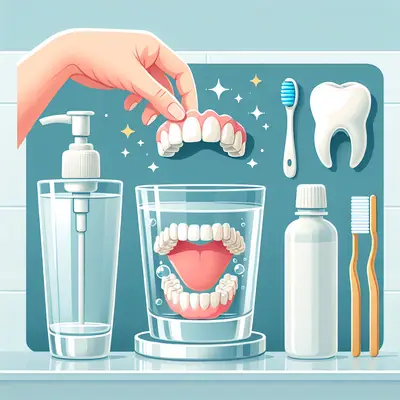
- Dedicated vessel: Use a lidded, non-porous container reserved solely for soaking your dentures. Avoid repurposed glasses or bowls that may retain soap or food residues.
- Clarified solution: Mix your soaking solution fresh each night—never “top up” the previous night’s liquid. This reduces exposure to lingering bacteria and debris.
- Strategic placement: Keep the container away from direct sunlight, heaters, or draughty windows. Extreme ambient temperature swings can gradually influence the denture material.
- Gentle rinse ritual: Each morning, rinse your dentures thoroughly under cool running water for at least 30 seconds, then lightly inspect the fitting surfaces with your fingertips to detect any film or residue left from the solution.
This mindful approach transforms an ordinary overnight soak into a quiet safeguarding ritual—one that helps maintain freshness, surface cleanliness, and material stability day after day.
4. The “Soft-Tissue First” Principle: Conditioning the Foundation for Comfort
Premium denture care extends beyond the prosthetic itself; it considers the entire oral environment. The most flawless denture will feel compromised if the underlying tissues are neglected or inflamed. A sophisticated routine always prioritizes the health of the foundation—your gums, palate, and any remaining teeth.
Adopt a “soft-tissue first” principle:
- After removing your dentures, gently massage your gums, palate, and inner cheeks with a soft toothbrush or a clean, damp, ultra-soft cloth.
- If approved by your dentist, consider using a mild, alcohol-free mouth rinse or warm saltwater rinse to soothe tissues and support a balanced oral environment.
- Allow your gums a “rest period” each day by remaining denture-free for several hours (typically overnight) to reduce irritation and pressure points.
- Monitor for any areas of persistent redness, tenderness, or ulceration—subtle changes that may signal the need for an adjustment, long before discomfort becomes visible to others.
This kind of attentive conditioning ensures that dentures sit on well-cared-for tissues, improving comfort, stability, and the way your smile feels from the inside out.
5. The Micro-Check Routine: Subtle Self-Exams Between Professional Visits
Regular dental visits for adjustments and professional cleanings are essential. Yet, the most discerning denture wearers also perform discreet “micro-checks” at home—brief, deliberate observations that catch issues at their earliest, most manageable stage.
Incorporate a monthly micro-check ritual:
- Visual review: Under good natural or white LED lighting, examine your dentures from multiple angles. Look for faint hairline cracks, dull spots, or areas where the color shifts slightly.
- Surface glide test: With clean, dry hands, run your fingertips gently along the fitting surface and edges. Note any new roughness, sharpness, or warping.
- Fit awareness: Pay attention to subtle changes in how your dentures feel while you speak, laugh, and chew. New clicks, shifts, or air gaps are worth noting.
- Odor check: After a thorough cleaning, assess if any persistent odor remains. It can indicate biofilm in fine crevices or early-stage fungal overgrowth that may require professional intervention.
Keep a simple, discreet note on your phone with dates and observations. When you see your dentist, you’ll have a sophisticated, concise record of subtle changes, allowing for targeted refinements instead of reactive fixes.
Conclusion
Exceptional denture maintenance is not about excessive effort—it is about deliberate, thoughtful refinement. By exercising temperature discipline, adopting a dual-brush strategy, elevating your overnight soak, prioritizing soft-tissue care, and practicing regular micro-checks, you create a quiet standard of excellence for your smile.
These understated practices do more than preserve acrylic and porcelain; they protect your comfort, your confidence, and the way you present yourself to the world. In the realm of dentures, true luxury lies not only in the quality of the prosthetic, but in the elegance of the care you devote to it every single day.
Sources
- American College of Prosthodontists – Dentures: Cleaning and Maintenance – Clinical guidance on daily denture care, cleaning methods, and professional follow-up.
- Mayo Clinic – Dentures: How to Care for Them – Practical overview of proper denture handling, cleaning, and storage.
- Cleveland Clinic – Dentures: Uses, Types & Care – Detailed explanation of denture types, fit considerations, and long-term maintenance.
- National Institute of Dental and Craniofacial Research (NIDCR) – Oral Health in Older Adults – Context on oral tissue health, aging, and how it relates to denture comfort and stability.
- American Dental Association – Cleaning Your Dentures – Evidence-based recommendations on products, techniques, and routines for safe denture care.
Key Takeaway
The most important thing to remember from this article is that this information can change how you think about Maintenance Tips.