For discerning denture wearers, excellence is found not only in the prosthetic itself, but in the quiet rituals that preserve its beauty and function. Maintenance, when done with intention, becomes less of a chore and more of a curated routine—one that protects your investment, your comfort, and the elegance of your smile.
Below, you’ll find five exclusive, rarely discussed insights that elevate denture care from basic upkeep to a refined, high‑standard practice.
The Temperature Standard: Treating Dentures Like Fine Materials
High-quality dentures behave more like delicate couture fabrics than rugged everyday wear. The material—typically acrylic, sometimes with metal frameworks—expands and contracts with temperature. Over time, careless exposure to extremes can distort the fit.
Instead of rinsing in very hot tap water, opt for cool to lukewarm water consistently. This simple yet often overlooked shift protects the micro-structure of the base and helps retain the precision of the fit around the gums. When soaking dentures overnight, ensure the solution is at room temperature; avoid leaving them on a windowsill, near radiators, or in a hot car, where warping risk quietly increases.
This “temperature standard” also extends to food and drink. Very hot beverages can be sipped, but lingering heat on the denture surface can compound microscopic stress over years. Think of it as you would think of a luxury leather bag: it may survive rough handling, but it truly thrives under gentler conditions.
Exclusive Insight #1: Establish a personal temperature rule—nothing for your dentures that feels too hot for the inside of your wrist. This is a subtle, tactile cue that prevents slow, long-term distortion.
The “Silent Zones” Strategy: Inspecting Where Problems Begin
Most denture issues do not begin with dramatic cracks; they start in quiet, unobserved corners. These are the “silent zones”—areas under clasps, at the back of the palate, around the flanges (edges), and along any tiny line where acrylic meets metal. They collect plaque, stain, and microscopic debris that routine brushing might miss.
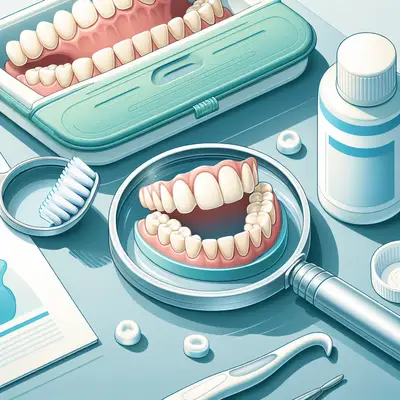
Once a week, perform a detailed visual inspection under bright, neutral light. Lay a white towel on a flat surface, place the denture on top, and gently dry it with a soft cloth. Dry surfaces reveal more than wet ones: faint hairline scratches, chalky biofilm, or early discoloration become easier to see.
Use a high-quality magnifying mirror, the type often used for makeup application or grooming. Study the inner surface (the part that contacts the gums) and the back corners of upper dentures, where bacteria love to settle. This practice does more than protect the denture; it also helps you detect early signs of denture stomatitis, sore spots, and fungal buildup.
Exclusive Insight #2: Designate a weekly “silent zone check”—a five-minute, magnified visual review that functions like a luxury inspection for your prosthetic, catching small issues before they demand major corrections.
The Polishing Hierarchy: Bristles, Motions, and Micro-Scratches
A premium appearance is often lost not through neglect, but through using the wrong tools with the best intentions. Hard-bristled brushes, abrasive toothpastes, and aggressive scrubbing all generate fine micro-scratches. These tiny grooves then trap more plaque and stain, leading to a dull, prematurely aged surface.
Create a “polishing hierarchy” for your denture:
- Primary tool: A denture-specific, soft-bristled brush or an extra-soft manual toothbrush reserved solely for the denture.
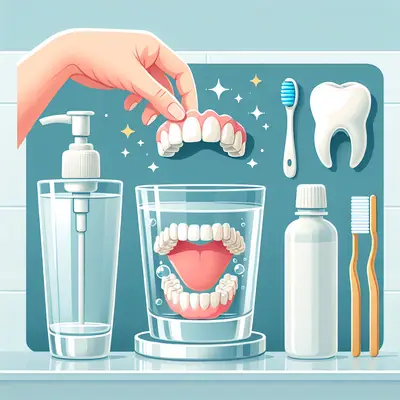
- Approved cleanser: Non-abrasive denture cleanser or mild dish soap (fragrance-free, dye-free) with cool to lukewarm water. Never use whitening toothpastes or products containing baking soda or peroxide on the denture surface unless specifically labeled safe for dentures.
- Polishing motion: Short, controlled strokes rather than forceful scrubbing. Think of it as buffing a fine watch rather than scouring a pan.
This approach not only preserves surface shine but also supports hygiene: a smoother surface is less hospitable to biofilm. Over months and years, your denture retains a more natural gloss and resists yellowing and cloudiness.
Exclusive Insight #3: Replace your denture brush every 3–4 months, just as you would a toothbrush. Worn bristles behave more abrasively and can undo the benefits of careful technique.
The Overnight Protocol: Hydration, Positioning, and Backup Plans
The widely recommended overnight removal of dentures is not merely about “resting your gums.” It is an opportunity to create a carefully controlled environment that preserves shape, cleanliness, and material integrity.
First, dentures should never be allowed to dry out completely. Dehydrated acrylic can warp, and metal components can be stressed. Soak them in a denture cleanser or plain water when not in use. If using a cleanser, follow the product’s specified duration; leaving dentures endlessly in an aggressive solution can, over long periods, subtly affect surface texture and color.
Position also matters. Use a lidded soaking container to reduce accidental drops and to keep the dentures away from air exposure and household contaminants. Place the container in a consistent, low-traffic location—ideally away from sinks where splashing or accidental knocks are more likely.
Finally, consider the “backup plan.” If your primary denture cracks or is temporarily unusable, having an older, well-cleaned denture as an emergency backup can preserve your ability to speak and eat comfortably while repairs are arranged. Maintaining this backup in a clean, labeled case, periodically soaked and inspected, is a mark of truly elevated preparedness.
Exclusive Insight #4: Treat your soak container like a personal care accessory—clean it with mild soap and water at least twice a week, and replace it every year to prevent invisible biofilm buildup that can re-contaminate your dentures.
The Precision Partnership: Scheduled Refinement, Not Just Repairs
The most sophisticated denture wearers view their relationship with their dental professional as a long-term collaboration, not an emergency resource. Even when a denture seems “fine,” tiny shifts can be happening: gradual bone resorption, slight changes in bite, or subtle wear on the teeth.
An annual professional evaluation—sometimes more frequently in the first years—is akin to tailoring a bespoke garment. During these visits, your dentist can:
- Assess fit and identify early sore spots before they become painful.
- Polish professional-grade stains and smooth minor surface roughness.
- Evaluate bite alignment and make precise adjustments to improve chewing efficiency.
- Examine oral tissues for signs of irritation, infection, or precancerous changes.
For implant-supported dentures, these visits are even more crucial: the implants themselves must be monitored, cleaned, and checked for stability. While at-home maintenance protects the denture day-to-day, professional refinements help preserve the harmony between denture, gums, bone, and bite.
Exclusive Insight #5: Keep a brief written log of minor sensations—pressure points, shifting, clicking, food catching—over time. Bring this “comfort journal” to your dental visits; it provides a nuanced history that allows your provider to fine-tune with exceptional precision.
Conclusion
Exquisite denture maintenance is not defined by effort alone, but by discernment: understanding which details truly matter, and building them into your routine with quiet consistency. Honoring temperature, studying silent zones, protecting surfaces with a polishing hierarchy, curating an intentional overnight protocol, and cultivating a precision partnership with your dental professional are the kinds of elevated practices that protect both comfort and aesthetics.
With these refined rituals in place, your dentures become more than prosthetics—they become a carefully maintained extension of your presence, supporting a confident, composed, and enduring smile.
Sources
- American College of Prosthodontists – Denture Care and Maintenance – Clinical guidance on daily cleaning, soaking, and handling of dentures
- Mayo Clinic – Dentures: How to Care for Them – Overview of best practices for cleaning, storage, and professional follow-up
- Cleveland Clinic – Dentures: Benefits, Types and Care – Detailed information on fit, long-term maintenance, and when to see a dentist
- NHS (UK) – How to Care for Dentures – Practical recommendations on daily hygiene, soaking, and handling
- Colgate Oral Care Center – How to Clean Dentures – Specific advice on cleaning techniques, tools, and avoiding abrasion
Key Takeaway
The most important thing to remember from this article is that this information can change how you think about Maintenance Tips.