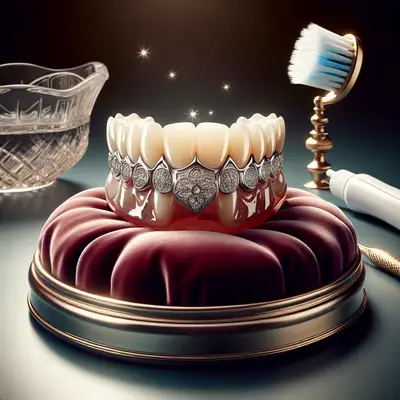
A beautifully crafted denture can transform a smile; a beautifully maintained one can transform daily life. Beyond the basics of cleaning and soaking lies a quieter layer of refinement—those almost invisible decisions and rituals that separate adequate care from truly elevated comfort. This is where discerning denture wearers live: in the details, the nuances, and the small adjustments that make every interaction—speaking, dining, even laughing—feel seamless and assured.
Below, we explore five exclusive, often-overlooked insights designed for those who expect their prosthetics to perform with the same grace and reliability as a fine timepiece.
The “Second Fit”: Understanding the Hidden Adjustment Phase
Most patients think of the denture fitting as a single event; in reality, it’s a process with a quiet second act. As your mouth adapts, tiny shifts occur: gums settle, bone resorbs, and muscles learn new pathways. The result is that a denture that felt flawless in the chair may feel subtly different after a few weeks of real life.
A sophisticated approach acknowledges this from the beginning. Consider your initial months as a “calibration phase” and schedule pre-planned follow-up visits—often at one week, one month, and three months—instead of waiting for discomfort to become urgent. During these check-ins, your clinician can perform fine adjustments, refine pressure points, and reassess bite balance before irritation or sore spots develop.
This proactive style of care also includes paying close attention to micro-signals: a faint rubbing at the end of the day, a slight shift when you pronounce certain consonants, a change in how your jaw feels upon waking. These details, communicated clearly to your provider, allow for meticulously tailored refinements that extend the life, comfort, and stability of your prosthetic.
The Gourmet Lens: Curating a Denture-Friendly Culinary Experience
Much denture advice around food is framed as restriction: what not to eat, what to avoid. A more elevated approach reframes dining as a curated experience—optimizing texture, temperature, and technique rather than simply eliminating pleasures.
First, think in terms of textures rather than categories. Instead of banning “crusty bread,” explore breads with tender interiors and thinner crusts, gently warmed to soften resistance. Swap excessively sticky confections for silky desserts—panna cotta, custards, mousse—that offer richness without strain. When enjoying meats, favor braises and slow-cooked cuts that yield easily, sliced into smaller, elegant portions before they reach the plate.
Temperature matters as well. Extreme heat can slightly distort some denture materials over time, while very cold foods can heighten sensitivity of exposed tissues. Seek a refined middle ground: warm, not scalding; cool, not icy. Chewing technique deserves equal attention—use both sides of the mouth simultaneously to stabilize the denture, and take smaller, measured bites that allow your prosthetic to function as intended. Dining becomes less about compromise and more about intentional, sensory enjoyment that respects your prosthetic as a precision instrument.
The Spoken Signature: Fine-Tuning Speech with Discreet Practice
For many, the most intimate test of a new denture is speech—how quickly you can reclaim your natural cadence, articulation, and vocal presence. While basic guidance focuses on “just practice talking,” a more refined strategy treats speech as a craft worth rehearsing with precision.
Begin with targeted sounds, especially those that challenge tongue placement against the teeth or palate: “s,” “sh,” “ch,” “t,” and “d.” Reciting short, well-chosen phrases in front of a mirror allows you to observe jaw movement and lip positioning. In the early phase, reading aloud from a favorite book or article for 10–15 minutes a day offers both practice and a sense of ritual.
One discreet, high-yield technique is to record your own speech—brief voice notes, for instance—and listen back with a critical yet kind ear. You will detect subtle lisping, clicking, or changes in tone far more objectively this way. Note any recurring instances where the denture shifts or where you compensate by changing your natural pronunciation. Share these observations with your dentist; minor adjustments to the palate thickness or tooth positioning can sometimes significantly improve articulation.
Over time, this deliberate attention allows your “spoken signature”—the way you sound and present yourself—to feel fully aligned with your prosthetics, preserving your authority, warmth, and individuality in every conversation.
The Nightly Reset: Crafting an Elevated Evening Ritual for Dentures
Removing dentures at night is often treated as a simple functional step; yet it can become a nuanced ritual of restoration—both for your prosthetics and for your oral tissues. Think of it as a “reset” that prepares your mouth and denture for another day of impeccable performance.
Begin with a gentle, thorough clean using a non-abrasive denture cleanser and a brush specifically designed for prosthetics, ensuring you reach the undersurface and any retentive areas where plaque can collect. Equal care must be given to your gums, tongue, and palate: massage them with a soft toothbrush or moistened gauze to stimulate circulation and reduce the risk of irritation or infection.
The soaking medium matters more than many realize. Avoid hot water and household cleaners; instead, follow your dentist’s guidance on appropriate effervescent or enzymatic cleansers, and ensure the denture is fully submerged to prevent warping. If you wear partial dentures, be extra attentive to the natural teeth that support them—any plaque or inflammation here directly impacts the stability and lifespan of your appliance.
Integrating this into a broader self-care routine—perhaps paired with skincare or a brief mindfulness practice—reframes denture care as part of your overall wellness ritual, rather than a chore. This perspective shift often correlates with better compliance and more consistent, long-term oral health.
The Discreet Contingency Plan: Preparing for the Unexpected with Grace
Refined denture wearers know that true confidence includes being prepared for rare but inevitable disruptions—a minor fracture, a loosened clasp, an unexpected sore spot before a major social event. The key is not to anticipate failure, but to anticipate solutions.
One understated yet highly effective step is assembling a compact “denture essentials” kit. This may include a sleek, discreet case, a small soft-bristled brush, individually packaged cleaning tablets, and any dentist-approved temporary adhesive. Kept in a work bag, travel case, or car, it allows for quiet, dignified adjustments throughout the day, especially when traveling or attending longer engagements.
Equally important is having a clear, pre-arranged relationship with your dental professional: know whom to call for same-day or next-day urgent adjustments, and understand the process for temporary repairs should a fracture occur. For those who travel frequently, consider keeping a digital copy of your dental records or prosthetic specifications accessible—this can expedite care if you are away from your usual clinician.
By planning for contingencies with elegance and foresight, you protect not only your denture but also your composure. Even when the unexpected arises, your response remains measured, private, and completely under your control.
Conclusion
A well-made denture is more than a functional device; it is a finely tuned extension of your presence, your preferences, and your standards. When you move beyond basic care into the realm of intentional fine-tuning—planned adjustment phases, curated dining, deliberate speech practice, restorative evening rituals, and discreet contingency planning—you convert a simple prosthetic into a quietly luxurious experience.
The difference is rarely dramatic to the eye, but it is profoundly felt: in the way your smile rests, the ease with which you converse, and the confidence with which you navigate every room. Elevated denture care is not about perfection; it is about precision, attentiveness, and the calm assurance that every detail has been considered.
Sources
- Mayo Clinic – Dentures: How to Care for Them - Overview of daily denture care, cleaning, and handling best practices
- American College of Prosthodontists – Caring for Your Dentures - Professional guidance on maintenance, adjustments, and long-term denture care
- Cleveland Clinic – Dentures: Uses, Types & Care - Detailed explanation of adaptation phases, fit, and common issues with dentures
- National Institute of Dental and Craniofacial Research (NIDCR) – Oral Health in Older Adults - Context on oral health considerations and prosthetic use in aging populations
- University of Michigan School of Dentistry – Complete Dentures Patient Education - Educational resource covering expectations, speech, fit, and adaptation with complete dentures
Key Takeaway
The most important thing to remember from this article is that this information can change how you think about Denture Care.