For the discerning denture wearer, maintenance is not merely a task—it is a quiet ritual that protects both aesthetics and comfort. Beyond the standard instructions to “clean daily” and “avoid harsh products,” there exists a more nuanced approach: one that treats dentures as precision-crafted appliances deserving of attentive care. This guide explores elevated maintenance practices that help your dentures age gracefully, preserve the health of your mouth, and keep your smile looking composed and confident.
Elevating the Evening Ritual: The Gentle Reset
The most important care moment of your day is not in the morning when you put your dentures in, but in the evening when you take them out. Think of this as a reset for your mouth and your prosthesis, allowing both to recover from the pressures and micro-movements of the day.
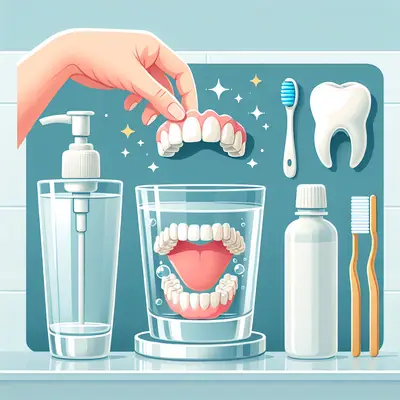
Begin by rinsing your dentures under cool to lukewarm running water immediately after removal to clear food particles and surface debris. Then, use a soft-bristled brush specifically designed for dentures and a non-abrasive denture cleanser—not regular toothpaste, which can create microscopic scratches that attract stains and bacteria. Pay special attention to the areas that contact the gums and palate; these surfaces often harbor biofilm that can contribute to irritation and denture stomatitis. Once cleaned, soak your dentures overnight in a fresh denture solution to maintain moisture and help disinfect. Meanwhile, gently brush your gums, tongue, and palate with a soft toothbrush to stimulate circulation and reduce bacterial load. This refined ritual transforms a simple cleaning into a comprehensive, restorative routine for both your mouth and your appliance.
Precision Hydration: Managing Moisture, Not Just Soaking
Most denture wearers are told to soak their dentures, but few are coached on the subtleties of moisture management. Proper hydration is not only about keeping the acrylic from drying out; it is also about creating a consistently comfortable environment for your oral tissues.
Dentures should never be left to dry in open air, as this can lead to warping over time and a compromised fit. Equally, they should not be stored in hot water, which can distort their shape. Cool or room-temperature water, with or without an appropriate denture solution (as recommended by your dentist), is ideal. For individuals who experience dry mouth—a common concern, especially in those taking certain medications—collaborating with your dentist to select a saliva substitute or moisturizing gel can be transformative. Applying a small amount to your oral tissues (not the denture itself) before insertion can enhance comfort throughout the day. The exclusive insight here is that optimal denture care considers both the hydration of the appliance and the moisture balance of the tissues that support it, resulting in superior comfort and stability.
Subtle Fit Surveillance: Reading the Early Warning Signs
An elegant smile depends on a precise fit, yet many wearers only seek adjustments once discomfort becomes pronounced. A more refined approach is to practice “fit surveillance”—quietly noting early changes before they evolve into problems.
Watch for small shifts: a slight rocking when you bite, mild rubbing in a previously comfortable area, or an emerging tendency for food to collect in a new spot. These can be early indicators of gradual bone resorption or minor changes in the denture base. Rather than compensating with more adhesive, consider these signs as cues to schedule a professional evaluation. A timely reline or adjustment can preserve comfort, reduce the risk of sore spots, and protect the underlying bone from excess pressure. Keeping a brief personal log—mental or written—of when discomfort appears (after long conversations, during meals, at the end of the day) can give your dentist valuable information to fine-tune your fit. This quiet vigilance transforms you from a passive wearer into an informed steward of your own oral comfort.
Discreet Stain Control: Protecting Color and Surface Integrity
A beautifully crafted denture loses its sophistication when it becomes dulled by stains and micro-scratches. Elevated maintenance emphasizes not only cleanliness, but also the preservation of color, luster, and texture over time.
Limit frequent exposure to deeply pigmented beverages like red wine, black coffee, and strong tea when your dentures are in; if you enjoy them regularly, rinsing your mouth and dentures with water soon after consumption can minimize staining. Avoid abrasive powders, whitening toothpastes, or homemade scrubs (such as baking soda and salt), which can erode the polished surface, making it more susceptible to discoloration and plaque accumulation. When using effervescent cleansing tablets, follow the exact timing and dilution recommended by the manufacturer—over-concentrated or prolonged use may gradually affect metal components or delicate areas. If staining does occur, prioritize professional cleaning at your dental office rather than resorting to aggressive home remedies. This understated approach safeguards the visual refinement of your dentures, allowing them to maintain a natural and polished appearance longer.
The Composed Day: Strategic Breaks and Protective Habits
Maintenance is not confined to the sink; it continues quietly throughout your day via the habits you cultivate. These subtle practices protect your dentures and the health of your mouth in ways that are often overlooked.
When possible, avoid using your dentures as tools—no opening packages, cracking nuts, or biting on very hard items like ice or unpopped popcorn kernels. Such actions can stress the acrylic and teeth, leading to micro-fractures or chipping that accumulate over time. If your lifestyle allows, consider a short “rest interval” each day in which you remove your dentures in private, gently rinse them, and rinse your mouth. This interlude reduces friction, freshens the oral environment, and can be especially beneficial for those prone to sore spots. Be measured in your use of denture adhesive: use the minimal amount that provides stability, and ensure that all adhesive is carefully removed during your nightly cleaning. Overuse can mask fit issues and make daily cleaning more challenging. These composed, intentional behaviors create a daily rhythm in which your dentures are protected, your tissues are respected, and your comfort is prioritized.
Five Exclusive Insights for the Discerning Denture Wearer
- Treat your night routine as a “reset” for both mouth and denture. It is not just about removing your prosthesis, but about restoring balance: cleansing the appliance, refreshing the tissues, and allowing everything to decompress.
- Manage moisture as precisely as you manage cleanliness. Thoughtful soaking practices and appropriate saliva support products can dramatically improve comfort and longevity.
- View minor discomfort as data, not an inconvenience. Subtle changes in fit are early, valuable signals that an adjustment or reline may be needed—addressed early, they preserve both comfort and bone health.
- Protect the polished surface as you would a fine finish. Avoid abrasives and harsh “whitening” tactics; a smooth, intact surface is your best defense against stains, plaque, and odor.
- Incorporate dignified micro-habits into your day. A short midday rest, mindful adhesive use, and avoiding “tool-like” chewing are refined practices that quietly safeguard your investment.
Conclusion
Exemplary denture maintenance is not defined by complicated routines, but by the quality and consistency of small, intentional actions. When you honor your dentures as carefully crafted extensions of your smile—and care for the underlying tissues with equal respect—you create an experience that is as comfortable as it is polished. By integrating these subtle yet powerful practices, you preserve not only the longevity of your prosthesis, but also the quiet confidence that comes with a smile maintained to the highest standard.
Sources
- American Dental Association – Dentures - Overview of types of dentures, daily care, and professional guidance from the ADA
- Mayo Clinic – Dentures: How to Care for Them - Practical recommendations on cleaning, soaking, and handling dentures
- National Institute of Dental and Craniofacial Research – Oral Health in Older Adults - Context on oral health challenges, including dentures, in aging populations
- Cleveland Clinic – Dentures - Detailed explanation of denture types, fit, adjustments, and long-term care considerations
- Colgate Oral Care Center – How to Care for Dentures - Consumer-focused guidance on denture cleaning methods and product selection
Key Takeaway
The most important thing to remember from this article is that this information can change how you think about Maintenance Tips.