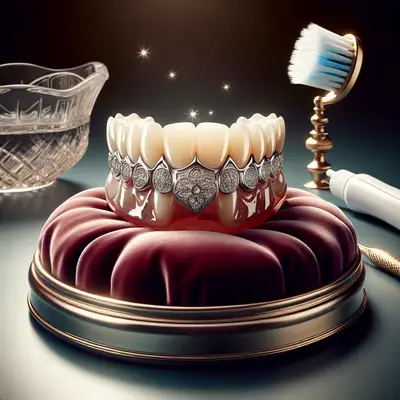
A beautifully maintained denture is never just about appearance; it is about quiet confidence, day-long comfort, and the assurance that every interaction feels effortless. For discerning denture wearers, care is not a chore—it is a personal standard. This guide explores a more refined approach to denture care, revealing understated techniques and nuanced adjustments that elevate daily routines into a higher level of comfort and control.
Cultivating a Calmer Fit: Gentle Strategies for All-Day Comfort
The difference between “good enough” and truly comfortable dentures often lies in small, deliberate habits. Instead of forcing a new denture to “toughen up” your mouth, introduce it gradually: begin with short wear periods and build up in measured increments, allowing the oral tissues to adapt without constant irritation. This thoughtful approach helps prevent sore spots that, if ignored, can quickly undermine confidence.
Pay particular attention to how your dentures feel at different times of day. Subtle swelling of the gums can occur after long hours of wear or after salty meals, slightly altering the fit. Removing your dentures briefly in the afternoon for a gentle rinse with cool water can restore a feeling of freshness and subtly reduce friction. If you use adhesive, a restrained, strategic application—placed in thin, even lines rather than thick blobs—avoids unnecessary bulk and residue while still providing security.
Comfort also depends on hydration. A dry mouth makes even well-crafted dentures feel abrasive. Sipping water consistently, limiting alcohol and caffeine, and discussing saliva substitutes or prescription options with your dentist if you experience persistent dry mouth can make a noticeable difference. This quiet attention to your mouth’s environment transforms basic wear into an experience of ease rather than endurance.
The Night Ritual: Turning Denture Care into a Restorative Practice
Evening is when your dentures—and your oral tissues—should reset. Think of your nighttime routine as a restorative ritual rather than a rushed task. Begin by removing your dentures before you feel tired, so you can attend to them without haste. Rinse them under lukewarm (never hot) water to remove loose debris, then clean meticulously with a soft denture brush and a non-abrasive denture cleanser; standard toothpaste is often too harsh and can create micro-scratches where stain and bacteria accumulate.
Equally important is the care of your gums, palate, and tongue. Gently massaging these areas with a soft toothbrush or a damp gauze pad improves circulation and helps keep the underlying tissues resilient. This simple step is frequently overlooked, yet it supports healthier tissue and a more stable fit over time.
When soaking overnight, select a reputable denture-cleaning solution and follow the recommended time precisely. Over-soaking in overly strong solutions or in very hot water can damage certain materials or fade the denture’s finish, subtly diminishing its refined appearance. Before reinserting your dentures in the morning, rinse them thoroughly to remove any residual cleanser—this preserves both taste and comfort, and reduces the risk of irritation.
The Polished Palette: Managing Stains, Taste, and Aesthetic Detail
For many discerning wearers, the true luxury lies in how natural the denture appears and feels in everyday life. Preventing stains is far more effective than trying to remove them once they set. Moderating highly pigmented beverages such as coffee, red wine, and dark teas, or simply rinsing with water shortly after drinking them, helps maintain the clarity of the acrylic and the brightness of the artificial teeth.
A refined approach also considers taste and aroma. Food particles and plaque on dentures can subtly alter flavor perception and contribute to unpleasant breath. A thorough daily clean, followed by a final rinse in cool water, often preserves flavors more faithfully than soaking alone. If your sense of taste feels muted, review your cleaning products with your dentist; some solutions or mouthwashes may be too intense and can be replaced with milder alternatives that still provide reliable hygiene.
Aesthetic detail—such as the translucency of the teeth, the contour of the denture base, and the harmony with your facial lines—should not be regarded as fixed. If your denture looks too opaque, too short, or no longer matches your changing facial structure or lip support, a conversation with a prosthodontist can open options for subtle refinements or a more tailored replacement. Elegance, in this context, is the ongoing alignment of your prosthesis with who you are now, rather than who you were when the denture was first made.
Five Exclusive Insights for the Discerning Denture Wearer
Beyond standard recommendations, there are quieter, more nuanced practices that sophisticated denture wearers value:
Micro-Adjustments Matter More Than Major Changes
Instead of tolerating chronic, low-level discomfort until it becomes intolerable, schedule brief, earlier adjustment visits. Minor reshaping of pressure points or polishing rough edges can transform a “passable” denture into one that feels almost invisible during wear. This proactive approach often prevents larger, more complex issues later.
Your Jaw Joint Is Part of Your Denture Story
The way your upper and lower dentures meet affects not only chewing but also the comfort of your jaw joints and facial muscles. If you notice jaw fatigue, morning headaches, or a sense of “clenching” against your dentures, your bite alignment may need refinement. Addressing these subtleties protects the temporomandibular joints and can make speech and chewing feel far more natural.
Seasonal Denture Care Is a Quiet Advantage
Shifts in climate, humidity, and lifestyle—such as winter dryness or summer dehydration—can subtly influence denture comfort and oral tissues. Adjusting your routine seasonally (for example, increasing hydration and using moisturizing oral rinses in winter, or being more attentive to adhesive performance in hot weather) gives you a small but meaningful edge in daily comfort.
Travel Protocols Preserve Peace of Mind
Well-prepared denture wearers maintain a discreet travel kit: a slim case, a small bottle of cleanser or tablets, a soft brush, and a modest reserve of adhesive. Keeping this with you—whether at the office, in a handbag, or while flying—ensures that unexpected looseness, a food particle trapped under the denture, or a need for a quick refresh never escalates into embarrassment.
Scheduled “Aesthetic Audits” Keep Your Look Current
Just as wardrobes are periodically curated, dentures benefit from a scheduled aesthetic and functional review, ideally every few years or sooner if your facial structure changes significantly. Weight fluctuations, aging, and minor shifts in bone and soft tissue can alter how your dentures sit and how your smile presents. A deliberate “aesthetic audit” with your provider can refine tooth shape, shade, and positioning, keeping your appearance aligned with your personal style and age in a sophisticated, authentic way.
Partnering with Your Dental Team as a Curated Experience
For those who view self-presentation as an extension of personal standards, the relationship with a dentist or prosthodontist becomes less transactional and more curated. Selecting a practitioner with specific expertise in removable prosthetics—and ideally, a strong aesthetic sensibility—ensures that discussions extend beyond function to include symmetry, lip support, speech clarity, and even how your smile appears in photographs.
Bring thoughtful observations to your appointments: note when during the day your denture feels less secure, which foods cause difficulty, and whether certain sounds feel harder to pronounce. This depth of feedback helps your clinician fine-tune the prosthesis in ways that generic instructions cannot achieve.
Routine professional cleanings remain essential, even with full dentures. Oral cancer screenings, evaluations of the tongue and soft tissues, and assessments of bone structure under the dentures are critical elements of long-term health. Approaching these visits as part of a sophisticated, ongoing care philosophy—not just maintenance—helps safeguard both your wellbeing and the refined comfort you have cultivated.
Conclusion
An elegant denture experience is rarely the result of any single product or procedure; it emerges from consistent, thoughtful habits and a willingness to refine details over time. By approaching denture care as a quietly intentional ritual—attentive to comfort, aesthetics, and long-term oral health—you elevate your prosthesis from a necessity to a carefully tailored extension of yourself. In that space, your smile becomes less about the presence of a denture and more about the assurance with which you wear it.
Sources
- American Dental Association – Dentures –Overview of denture types, basic care recommendations, and professional guidance from the ADA
- Mayo Clinic – Dentures: Common Questions –Clinical answers to common concerns about fit, comfort, and adjustment to dentures
- Cleveland Clinic – Dentures –Detailed explanation of denture care, maintenance, and when to seek professional adjustment
- National Institute of Dental and Craniofacial Research – Oral Health Topics –Context on tooth loss, oral health in older adults, and the importance of ongoing dental care
- Colgate Oral Care Center – Caring for Dentures –Practical guidance on daily denture cleaning, soaking practices, and product considerations
Key Takeaway
The most important thing to remember from this article is that this information can change how you think about Denture Care.