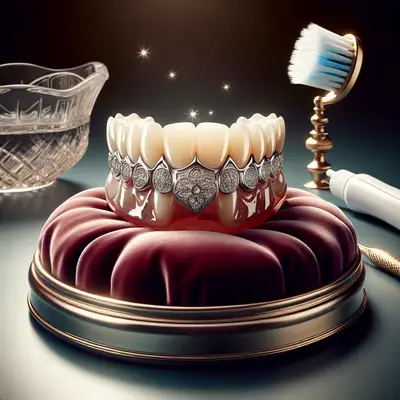
A well-crafted denture should feel less like a device and more like an extension of your own refinement. Beyond the standard advice—clean daily, soak overnight, visit your dentist regularly—there is a quieter, more curated level of denture care that prioritizes comfort, discretion, and long-term elegance. This is where considered choices, small adjustments, and thoughtful rituals elevate your experience from merely functional to truly effortless.
Below, you’ll find five exclusive insights designed for denture wearers who value precision, comfort, and a polished presence in every setting.
Insight 1: Curating a “Comfort Baseline” for Your Dentures
Most denture wearers adapt to small discomforts, assuming that mild pressure or minor irritation is “normal.” In reality, a refined denture experience begins with a personal comfort baseline—your internal standard for how your dentures should feel at their best.
Spend a day noticing the subtleties: how your dentures feel when you first place them, mid-morning, mid-meal, and at the end of the day. Pay attention to dry spots, subtle rubbing at the corners of the mouth, or a shadow of soreness along the gums. Capture these impressions in a brief daily note for a week.
This personal comfort log becomes a powerful reference at your dental appointments. Instead of general complaints—“they’re a bit sore”—you can offer precise feedback: “After two hours of speaking, the pressure is focused along the left premolar region.” Precision allows your clinician to refine fit and occlusion with greater accuracy, resulting in dentures that not only look natural but also feel quietly reliable from morning to night.
Insight 2: Temperature and Texture Pairing for Stress-Free Dining
Dining with dentures is not simply about what you can eat, but how gracefully you can enjoy it. Subtle pairings of temperature and texture can transform meals from cautious to confident.
Hard, dry foods at very hot or very cold temperatures are more likely to challenge denture stability and gum comfort. Instead, consider a more strategic approach: pair slightly warmer, tender proteins (such as slow-cooked meats or well-steamed fish) with softly textured sides that offer structure without resistance—think buttered vegetables, risottos, or well-cooked grains.
Introduce crunch thoughtfully, with controlled, almost tasting-menu portions: thinly sliced apples instead of whole wedges, toasted nuts incorporated into yogurt rather than eaten alone. By curating textures and temperatures, you reduce unnecessary torque on your dentures, decrease sore spots, and maintain the pleasure of dining without betraying any visible effort.
Insight 3: The Discreet Midday Reset Ritual
Many denture wearers tolerate a slow decline in freshness throughout the day, assuming they must wait until night to reset. A more elevated approach involves a discreet midday ritual that restores comfort and confidence in under five minutes.
Consider assembling a compact “refinement kit” for your bag, desk, or car: alcohol-free mouthwash or an oral rinse, a soft denture brush or travel toothbrush, a small case, and pre-cut denture wipes or gauze. At a natural break in your schedule—after lunch, between meetings, or before an evening engagement—step into a private space.
Rinse your mouth, gently remove your dentures, and quickly clear away any residual adhesive or food particles with a soft brush or wipe. Reapply a modest amount of denture adhesive only if advised by your clinician and only where necessary. The result is a refreshed, stable fit, improved breath, and a renewed feeling of composure—without the fatigue that comes from wearing unrefreshed dentures for 12+ hours straight.
Insight 4: Precision Hydration for Denture Comfort and Oral Health
Hydration is frequently mentioned in oral care, but for denture wearers, it becomes a precision tool rather than a general suggestion. Saliva not only supports tissue health; it also contributes to the subtle suction and comfort of well-fitted dentures.
Instead of intermittent large gulps of water, opt for consistent, measured sips throughout the day. If your environment is dry—air-conditioned offices, heated homes in winter, frequent flying—this becomes even more important. Alcohol-based mouthwashes, certain medications, and high-caffeine habits can all exacerbate dry mouth; your dentist or physician can help you strike a balance.
If you experience persistent dryness, discuss saliva substitutes, specialized oral moisturizers, or prescription options with your dentist. Applying them thoughtfully, especially before extended speaking engagements or long social events, can preserve both comfort and clarity of speech. This approach moves beyond “just drink more water” into a tailored hydration strategy that supports impeccable function all day.
Insight 5: Seasonal Denture Care Adjustments Most People Overlook
Many denture wearers maintain a single routine year-round, but a sophisticated approach recognizes that your mouth, skin, and habits shift with the seasons—and your denture care should respond accordingly.
In cooler months, indoor heating can dry oral tissues, making gums slightly more vulnerable to friction. This is an ideal time to prioritize richer, cream-based oral moisturizers (if recommended by your dentist) and ensure your denture cleaning solutions are not overly harsh. In warmer months, increased outdoor dining, travel, and social events might mean more frequent snacking and varied foods; your cleaning regimen may need to be more meticulous, with an emphasis on thorough nightly soaking and gentle brushing to prevent staining and odor.
If you travel frequently, especially across time zones, consider how altered routines might affect your dentures: late meals, long periods of wear, or limited access to your usual care products. Creating a dedicated travel version of your denture setup—sleek case, preferred cleanser tablets, a compact but soft brush, and a small, non-abrasive cloth—ensures your standard of care travels with you, rather than slipping into improvisation.
Conclusion
A truly elevated denture experience is rarely about dramatic changes; it is built on a series of quiet refinements. Establishing your personal comfort baseline, dining with intention, resetting discreetly midday, hydrating with purpose, and adapting care with the seasons all contribute to dentures that feel less like a compromise and more like a considered choice.
When your routine reflects this level of attention, your dentures become almost invisible—not only to those around you, but to you. What remains is an easy, confident presence, supported by thoughtful habits that honor both form and function.
Sources
- American Dental Association – Dentures - Overview of denture types, care basics, and professional recommendations
- Mayo Clinic – Dentures: Common Questions - Detailed guidance on living with dentures and what to expect
- Cleveland Clinic – Dentures - Clinical information on fit, adjustment, and ongoing care considerations
- National Institute of Dental and Craniofacial Research – Dry Mouth - Authoritative insights on dry mouth, saliva, and oral comfort
- NHS (UK) – Dentures Advice - Practical, evidence-based guidance on daily denture care and maintenance
Key Takeaway
The most important thing to remember from this article is that this information can change how you think about Denture Care.