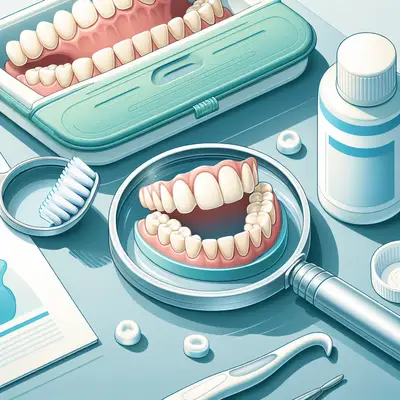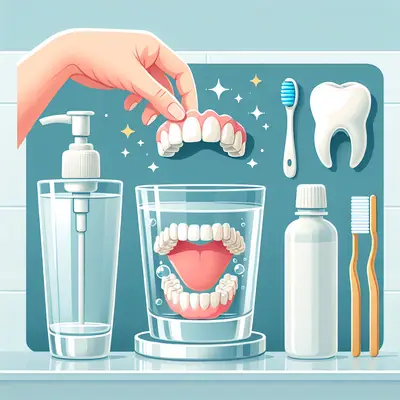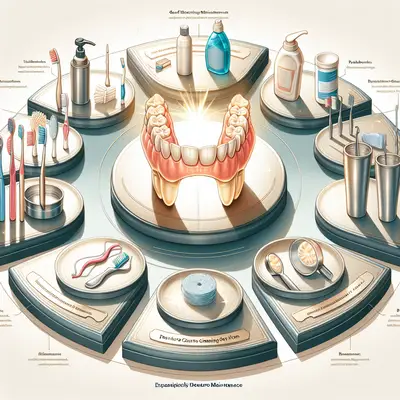
A beautifully crafted denture deserves more than basic upkeep; it merits a care ritual that feels intentional, elevated, and quietly luxurious. Beyond the usual guidance of “brush, soak, repeat,” there are nuanced habits that distinguish routine maintenance from truly refined stewardship. This is where comfort becomes seamless, wear becomes graceful, and your smile remains as composed in the evening as it was at the start of the day.
Below, you’ll discover five exclusive, detail‑driven insights designed for denture wearers who value precision, discretion, and long-term excellence.
Elevating the Evening Routine: A Gentle Transition, Not a Quick Removal
Removing your dentures at night should feel less like an obligation and more like a considered transition. Instead of simply taking them out at the sink, design a calm, structured sequence that protects both the prosthesis and your oral tissues.
Begin by rinsing with lukewarm water to loosen any adhesive gradually rather than tugging. If you use adhesive, gently swish with warm saltwater (½ teaspoon of salt in a cup of warm water) to help break its hold before you attempt removal. This minimizes strain on delicate gum tissue and prevents small abrasions that can later become sore spots.
Once removed, inspect the denture under bright, neutral light—preferably in front of a mirror you already use for your skincare or grooming. You’re not just looking for visible debris, but also for subtle color shifts, minor warping, or hairline fractures. Addressing these early with your dentist often prevents more significant intervention later.
This unhurried evening ritual also gives your mouth valuable time to rest. Sleeping without dentures allows the soft tissues to recover from the mild pressure of daily wear, helping reduce inflammation and preserve long-term oral health.
Water, Temperature, and Texture: The Subtle Science of Everyday Handling
The way you handle your denture between cleanings quietly shapes its longevity. Three understated variables—water temperature, texture of cleaning tools, and how you hold the prosthesis—can profoundly affect daily maintenance.
Always use cool to lukewarm water for rinsing and soaking. Hot water, even if only briefly used, can warp the acrylic base over time, subtly altering the fit and leading to pressure points. If a water temperature would feel uncomfortably hot on the back of your hand, it is too hot for your dentures.
When brushing, opt for a soft-bristled brush specifically designed for dentures. The goal is thoroughness, not force. Bristles that are too firm can create micro-scratches that collect stain and harbor bacteria. In practice, this means your dentures may begin to look dull or feel slightly “coated,” even after cleaning.
Finally, pay attention to your grip. Always hold your denture over a folded towel or a basin partially filled with water. A single accidental drop onto a hard surface can chip a tooth or fracture the base. Treat the prosthesis as you would a fine piece of eyewear: secure, balanced, and never rushed.
Curating the Perfect Soak: Matching Your Cleanser to Your Lifestyle
Not all overnight baths are equal, and choosing the right soaking solution is an often overlooked detail that can elevate your routine from adequate to exceptional.
Effervescent denture cleansers are excellent for breaking down plaque and surface stains, but they should be used according to the manufacturer’s timing recommendations—overexposure is unnecessary and may gradually affect metal components in partial dentures. For those with a minimalist approach, plain water is better than nothing, but it does not disinfect. A more refined strategy is to alternate: a standard denture cleanser on most nights, with the occasional simple water soak between uses, based on your dentist’s guidance.
If you are prone to dry mouth or wear your dentures for extended hours, consider discussing antimicrobial yet gentle soaking options with your dental professional. Some patients may benefit from solutions containing specific active ingredients that help reduce fungal overgrowth, which is associated with denture stomatitis (inflammation under the denture).
Crucially, never use household cleaners, bleach, or abrasive powders, even if they promise “whitening.” These can roughen the surface, compromise materials, and irritate oral tissues. Your soaking solution should feel more like a tailored skincare serum than a harsh scrub—purposeful, precise, and designed for daily use.
The Soft-Tissue Focus: Treating Your Gums as Carefully as Your Denture
Premium denture maintenance extends beyond the prosthesis itself. Your gums, palate, and tongue are the true foundation of comfort—and they deserve their own dedicated care.
After removing your dentures, gently massage the gums and palate with a soft toothbrush or a moistened gauze pad. This does more than clean: it stimulates circulation, supports tissue health, and can help you notice any emerging sore spots early. Don’t overlook the tongue; a gentle tongue brushing or use of a tongue scraper can reduce bacterial load and improve overall freshness.
For many discerning denture wearers, a mild, alcohol-free mouthrinse becomes an essential finishing step. This can help maintain a balanced oral environment without causing dryness or irritation, particularly important if you already contend with reduced salivary flow.
If you notice persistent redness, a burning sensation, or a slight “imprint” of your denture base on your gums that does not fade, treat it as a signal— not something to ignore. Early consultation with your dentist allows for discreet adjustments, relining, or bite refinements that maintain comfort and aesthetics without crisis-level intervention.
Precision Checkpoints: Small Monthly Habits That Protect Long-Term Fit
Beyond daily care, a sophisticated maintenance approach includes periodic “checkpoints”—brief, intentional evaluations that catch change before it becomes a problem.
Once a month, assess your denture in three dimensions:
Fit and stability
Notice whether you rely more on adhesive than before, or if the denture rocks slightly when you bite or speak. These subtle shifts can indicate gradual bone resorption or wear of the denture base.
Chewing performance
Choose a familiar, moderately firm food—such as lightly toasted bread or a crisp, thin slice of apple. If this now feels less efficient, uneven, or noisy (clicking sounds), it may be time for a professional adjustment.
Aesthetic nuance
Under natural daylight, quietly evaluate color, translucency, and the appearance of the “gum” portion of the denture. Early signs of staining or dullness are easier to address before they become deeply embedded.
Schedule regular professional evaluations, even if everything seems acceptable. A truly refined approach recognizes that slow, almost imperceptible changes in jaw shape, bite alignment, and denture wear are normal—and best managed proactively.
These small checkpoints, anchored into your routine, help preserve not only the integrity of the prosthesis but also the grace of your smile and the ease of your everyday life.
Conclusion
Exceptional denture maintenance is less about rigid rules and more about thoughtful refinement. By slowing the evening removal process, carefully managing water temperature and tools, tailoring your soaking ritual, attending to the health of your oral tissues, and incorporating quiet monthly checkpoints, you transform denture care into an elegant daily practice.
In this cultivated approach, your dentures are not simply functional appliances—they are meticulously maintained instruments of confidence, comfort, and poise. When care is this intentional, your smile becomes more than presentable; it becomes enduringly, effortlessly composed.
Sources
- American Dental Association – Denture Care – Overview of essential denture hygiene principles and professional recommendations
- Mayo Clinic – Dentures: What to Expect and How to Care for Them – Guidance on day-to-day wear, fit, and maintenance expectations
- Cleveland Clinic – Dentures – Detailed explanation of denture types, care strategies, and adjustment considerations
- National Institutes of Health (NIH) – Denture Stomatitis Review – Clinical insights into inflammation under dentures and the role of hygiene and soaking solutions
- National Institute of Dental and Craniofacial Research – Oral Health in Older Adults – Context on aging, oral tissues, and considerations for denture wearers
Key Takeaway
The most important thing to remember from this article is that this information can change how you think about Maintenance Tips.