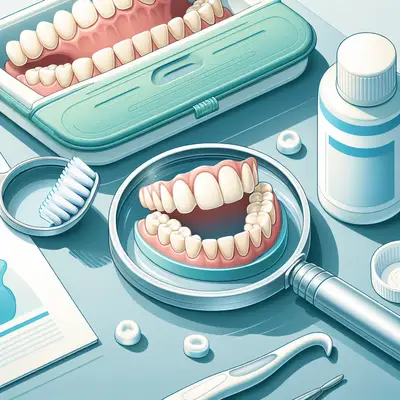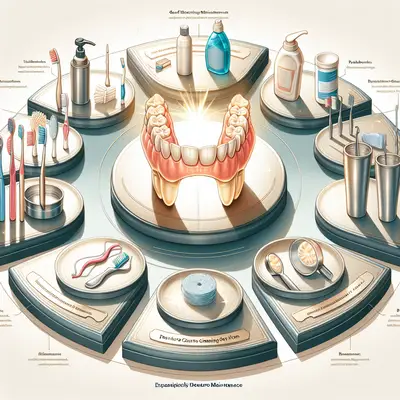
For those who wear dentures, true confidence is found in the details—how your prosthetic looks, feels, and performs from the first coffee of the day to the final glass of water at night. Beyond basic cleaning, there is an elevated level of care that preserves not only the integrity of your dentures, but also the elegance of your daily experience. This guide explores a more nuanced approach to maintenance, with five exclusive insights designed for those who expect their oral care to be as polished as the rest of their routine.
Setting the Foundation: A Thoughtful Daily Care Framework
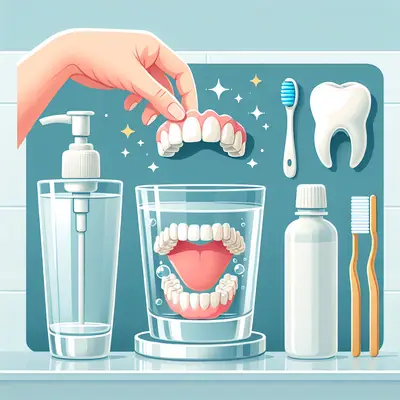
An elevated denture ritual begins with consistency and intention, not haste. Instead of a quick rinse and scrub, think of your daily routine as a curated sequence that safeguards both your prosthetic and your oral tissues. Start by gently rinsing your dentures under lukewarm (never hot) water to dislodge food particles, then proceed to a dedicated denture brush with soft bristles and a non-abrasive cleanser formulated for dentures. Household toothpaste, whitening powders, and harsh cleansers can create microscopic scratches that harbor bacteria and dull the surface over time.
Equally important is the care of the mouth beneath the dentures. Your gums, tongue, and palate should be cleaned daily with a soft toothbrush or damp gauze to remove biofilm and promote circulation. This dual-focus ritual—denture plus oral tissues—reduces the risk of denture stomatitis, bad breath, and uncomfortable sore spots. By approaching maintenance as a deliberate, unhurried process, you elevate both hygiene and comfort in a single, cohesive practice.
Exclusive Insight 1: Rotational Cleansing – Alternating Your Cleaning Methods
A refined maintenance strategy does not rely on a single cleansing method. Instead, alternating approaches—what we might call “rotational cleansing”—helps maintain an optimal, balanced environment. On most days, a combination of mechanical brushing and a standard overnight soak in a denture solution is sufficient. However, introducing a weekly or bi-weekly “reset” session with an ultrasonic cleaner can enhance results without overexposure to strong chemicals.
Ultrasonic devices designed for dental appliances use high-frequency vibrations to dislodge debris from tiny surface irregularities that regular brushing may miss. When paired with a mild cleaning solution recommended by your dentist, this rotational strategy can minimize stubborn plaque, reduce staining potential, and keep metal components (in partial dentures) cleaner and more polished. The key is moderation and consistency: you are not seeking aggressive sterilization, but rather a refined, layered approach to cleanliness that respects the materials of your prosthetic.
Exclusive Insight 2: Temperature Discipline – A Subtle but Crucial Safeguard
Hot water may feel intuitively “cleaner,” but for dentures it can be quietly destructive. Acrylic materials and certain plastics can warp when exposed to high temperatures, subtly altering the fit of your denture over time. The change may be slight, but even a marginal distortion can translate to sore spots, instability, and increased reliance on adhesive.
Adopt a policy of temperature discipline. Rinse and clean dentures with cool to lukewarm water only. When drinking hot beverages, give your denture and your mouth a moment to adjust—sipping slowly rather than exposing the prosthetic to sudden temperature extremes. If you enjoy frequent hot drinks, be especially vigilant about monitoring fit and comfort, and consult your provider at the earliest sign of movement, rubbing, or new pressure points. Protecting your dentures from thermal stress is an understated yet powerful way to prolong their lifespan and preserve their precise, tailored fit.
Exclusive Insight 3: A Curated Adhesive Routine, Not a Constant Crutch
Denture adhesive can be an invaluable ally when used thoughtfully—but it should support, not replace, a proper fit. Rather than applying adhesive automatically each morning, reserve it for specific scenarios where extra stability enhances your experience: extended dinners, important meetings, travel days, or active social events. This curated use allows you to better monitor how your dentures are fitting naturally, and to detect early changes in retention that may signal the need for a professional adjustment or reline.
When you do use adhesive, apply it sparingly and symmetrically, avoiding the temptation to “over-secure.” Excess adhesive can ooze, trap food particles, and create an unrefined feel. At day’s end, remove the adhesive residue from both your dentures and oral tissues thoroughly, using gentle methods recommended by your dentist. Periodic adhesive “holidays”—days when you wear your dentures without it—provide clarity on how well they are functioning on their own, and help maintain a clean, breathable environment for your gums.
Exclusive Insight 4: Nightly Rest as a Luxury Treatment for Your Tissues
Removing dentures at night is not merely a recommendation; it is a discreet luxury you grant your oral tissues. Constant wear deprives gums and underlying bone of proper rest and airflow, increasing the risk of fungal overgrowth, sores, and subtle inflammation that can dull your overall comfort. By giving your mouth the opportunity to recover nightly, you help preserve the health and resilience that underpin long-term denture success.
Elevate this nightly interval into a small ritual. After removing your dentures, gently massage your gums and palate with a soft brush or your clean fingertip to stimulate blood flow. Allow your dentures to soak overnight in a fresh, appropriate cleaning solution or plain water if advised by your provider. Avoid leaving them dry, as this can alter their shape. The combination of hydrated dentures and well-rested tissues ensures that, each morning, you begin the day with a prosthetic that feels refreshed and a mouth that welcomes it.
Exclusive Insight 5: Fit Auditing – Subtle Self-Checks Between Professional Visits
Professional check-ups and relines are essential, but an elevated maintenance approach includes regular “fit auditing” at home. Once a month, set aside a moment to evaluate your dentures with intention. Ask yourself: Has chewing become more effortful on one side? Are there new areas of redness or friction? Do you notice faint clicking, or air escaping during speech sounds that were previously effortless?
Conduct a brief visual inspection in good lighting: look for hairline cracks, thinning borders, rough patches, or changes in the shine of metal clasps on partial dentures. Pay attention to how the denture seats when you gently bite together—there should be even, stable contact without rocking. These self-checks are not a substitute for professional care, but they allow you to identify early signs of wear or bone resorption. Prompt attention can often mean a simple adjustment rather than a more extensive re-fabrication later.
Elevating Longevity: Protecting Aesthetics and Function Over Time
A sophisticated maintenance strategy considers not just hygiene, but the enduring aesthetics and precision of your prosthetic. Pigmented beverages such as coffee, tea, and red wine can gradually discolor dentures, particularly if plaque is allowed to accumulate on the surface. Rinsing your mouth and dentures with water after consuming these drinks, brushing consistently, and using cleaning tablets as directed helps preserve a luminous, natural appearance without resorting to harsh whitening agents.
Equally, be mindful of chewing habits. While modern dentures are designed to be robust, using them to crack shells, open packages, or bite extremely hard foods can cause microfractures and accelerated wear. Cutting tougher items into smaller, more manageable pieces and distributing chewing evenly on both sides of the mouth contributes to a more stable, balanced experience. In this way, you’re not simply “maintaining” your dentures—you are curating their performance, ensuring they remain a discreet, reliable extension of your presence.
Conclusion
Refined denture maintenance is less about elaborate products and more about thoughtful, disciplined habits. By embracing rotational cleansing, respecting temperature, using adhesive with intention, honoring nightly rest, and practicing quiet fit auditing, you create a care ritual that matches the sophistication of your lifestyle. The reward is a prosthetic that performs with understated confidence—comfortable, clean, and elegantly unobtrusive—day after day.
Sources
- American College of Prosthodontists – Caring for Your Dentures – Clinical guidance on daily cleaning, handling, and storage of dentures
- Mayo Clinic – Dentures: How to Care for Them – Overview of proper denture hygiene, nighttime removal, and maintenance considerations
- National Institutes of Health (NIH) – Denture Stomatitis Review – Research-based discussion of inflammation under dentures and the importance of cleaning and tissue rest
- Cleveland Clinic – Dentures: Types, Care & Complications – Detailed explanation of denture types, fit issues, and care recommendations
- Colgate Oral Care Center – Denture Care: Dos and Don’ts – Practical insights into safe cleaning products, temperature considerations, and daily routines
Key Takeaway
The most important thing to remember from this article is that this information can change how you think about Maintenance Tips.