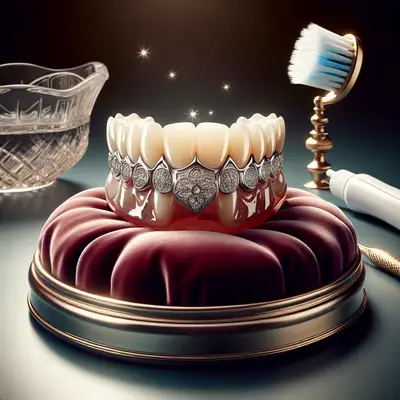
A beautifully crafted denture offers more than function; it can restore balance to your face, confidence to your speech, and ease to your daily rituals. Yet the difference between “acceptable” and truly exceptional denture wear often lies in details that are rarely discussed in the clinic. This guide explores those nuances—five exclusive, elevated insights that help you treat your dentures not as a compromise, but as a considered part of your personal standard.
Rethinking Fit: Micro-Adjustments That Change Everything
Many denture wearers assume that discomfort is inevitable, especially in the early months. In reality, the most refined denture experiences are the result of a series of micro-adjustments—small refinements to fit, bite, and contour over time.
Your gums and underlying bone subtly change shape, particularly in the first year after extractions. Elegant denture care means anticipating this evolution rather than reacting only when pain appears. If you notice even a slight rocking of the denture, pressure marks, or new areas of redness, these are early signals that a precision adjustment is due, not inconveniences to be tolerated.
Ask your dentist or prosthodontist to evaluate not only how the denture feels at rest, but under function: while you speak, swallow, and chew on both sides. A carefully balanced bite reduces sore spots, minimizes denture movement, and even refines your facial profile by reducing uneven pressure on certain areas. Think of it as tailoring a bespoke garment: the initial fit is only the beginning; the true luxury comes from the follow-up fittings that subtly refine the final result.
The Art of Eating With Dentures: Texture, Technique, and Timing
Refined denture wear is as much about how you eat as it is about what you eat. Rather than simply avoiding “difficult” foods, an elegant approach focuses on technique and pacing, allowing you to reclaim a sophisticated, varied diet with confidence.
Chewing should be balanced. Instead of working predominantly on one side, intentionally distribute food between both sides of the mouth to stabilize the denture during chewing. Begin by cutting food into smaller, uniform pieces—not just for ease, but to maintain control and rhythm. Softer, well-cooked vegetables, tender proteins, and lightly crisp textures help you practice efficient chewing without overtaxing your dentures.
Texture matters more than temperature or flavor. Sticky, stretchy, or very hard foods are best reintroduced later, when you feel fully in command of your denture. For special occasions, you can plan ahead: slightly softer bread, thinly sliced meats, or elegantly plated small portions maintain a sense of indulgence while accommodating your prosthesis.
Most importantly, slow the entire experience. Smaller bites, deliberate chewing, and mindful swallowing all reduce the chance of denture displacement. Over time, this considered approach becomes second nature and allows you to dine with composure—even in formal settings—without constantly thinking about your dentures.
A Polished Speaking Voice: Training Your Denture to Match Your Speech
Speech with dentures is not merely a matter of “getting used to it.” Precision users treat their speech as something to be refined, rehearsed, and enhanced, especially with new or recently adjusted dentures.
Certain sounds—particularly “s,” “t,” “d,” “f,” and “v”—are more sensitive to the position of your teeth and the volume of your palate. This is why a new denture can temporarily alter your speech or cause slight lisping. Instead of waiting passively for adaptation, you can accelerate it with focused practice.
Read aloud for 10–15 minutes daily, ideally with slightly slower, intentional enunciation. Choose material with varied vocabulary: news articles, literary passages, or even refined dialogue. Pay close attention to any sounds that feel imprecise, and repeat those words or phrases in front of a mirror. This not only helps your tongue and lips relearn their pathways, but also gives you visual feedback on mouth movements.
If your speech remains persistently affected despite practice, treat it as clinical feedback rather than a personal failing. Small adjustments to tooth position, denture thickness, or the contour of the palate can dramatically improve clarity. A sophisticated denture provider will welcome this information and refine the design to support both aesthetics and speech—not just one or the other.
Elevating Nightly Care: A Restorative Ritual for Gums and Prosthesis
Most guidance stops at “remove and soak your dentures at night.” For those seeking a more elevated standard, the evening routine becomes a restorative ritual—for both the denture and the tissues that support it.
After removing your dentures, gently brush them with a dedicated soft brush and non-abrasive cleaner (never regular toothpaste, which can create microscopic scratches). Equally important, dedicate a moment to your gums, palate, and tongue: massage them gently with a soft toothbrush or a moistened gauze pad. This improves circulation, dislodges plaque and debris, and helps maintain a healthy, resilient foundation for your denture.
Soaking your denture overnight in a proper cleansing solution is less about fragrance and more about hygiene on a microscopic level. It reduces biofilm, staining, and odor-causing bacteria that can contribute to denture stomatitis or other infections. Rinse carefully in the morning before reinsertion to avoid chemical residue.
For those who value nuance, consider the environment in which you store the denture. Use a clean, lidded container and place it somewhere stable, away from heat sources, pets, or accidental drops. A small tray, cloth, or designated space adds both practicality and a quiet sense of order to the routine. Over time, this nightly sequence becomes less of a chore and more of a structured act of self-respect—protecting the investment you’ve made in your smile.
Long-Term Elegance: Monitoring Subtle Facial and Bone Changes
A truly sophisticated approach to dentures looks beyond the prosthesis itself to the evolving architecture of your face. Tooth loss leads to gradual bone resorption in the jaws, which can subtly alter facial contours over years: lips may appear less supported, the lower third of the face may shorten, and the area around the mouth can develop fine lines due to diminished structural support.
Regular visits with your dentist or prosthodontist are not merely “check-ups”; they are opportunities to evaluate these quiet changes and respond to them with intention. Over time, you may benefit from a reline (adjusting the internal surface of the denture to fit changing gums) or, when appropriate, a new denture that reflects your current facial anatomy rather than the one you had years ago.
For some, considering implant-supported dentures can be a strategic, long-term decision. Implants help stabilize dentures and can slow bone loss in specific areas by providing the bone with functional stimulation. Even if you are not ready for implants now, understanding the option allows you to plan thoughtfully for the future rather than reacting under pressure later.
Pay attention to subtle shifts in your reflection—changes in lip fullness, jawline definition, or the way your facial muscles relax at rest. These are not merely cosmetic observations; they are clues about the underlying support your denture and bone structure are providing. Aligning clinical care with an attentive eye on your facial aesthetics ensures your dentures continue to serve not just your bite, but your overall sense of presence.
Conclusion
Exceptional denture wear is never accidental. It emerges from a combination of precise clinical work and attentive daily choices—from the way you chew and speak, to how you care for your gums at night, to how you monitor the quiet shifts in your facial structure over time. When approached with intention, dentures become less a reminder of loss and more an instrument of restoration: of function, of elegance, and of quiet confidence in every interaction.
Sources
- American College of Prosthodontists – Dentures: Overview – Professional guidance on denture types, fit, and care from a leading prosthodontic organization
- Mayo Clinic – Dentures: What to Expect – Explains adaptation, care, and follow-up considerations for denture wearers
- National Institute of Dental and Craniofacial Research (NIDCR) – Tooth Loss – Discusses causes and consequences of tooth loss, including bone changes that affect denture fit
- Cleveland Clinic – Dentures – Covers practical aspects of living with dentures, including eating, speaking, and maintenance
- Journal of Prosthodontic Research – Effect of Dentures on Speech – Research-based insights into how dentures influence speech and how adjustment can improve articulation
Key Takeaway
The most important thing to remember from this article is that this information can change how you think about Denture Care.