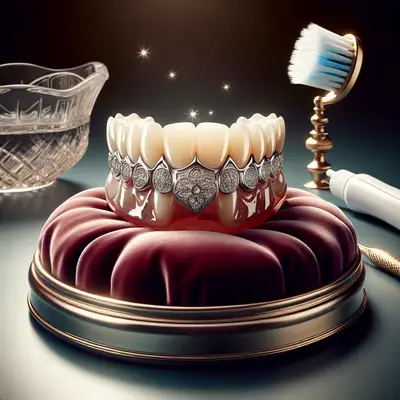
For many discerning wearers, dentures are not simply a functional appliance—they are a carefully curated extension of personal presence. Beyond the basics of cleaning and fit, there exists a more nuanced layer of care: the subtle adjustments, sensory details, and informed decisions that transform dentures from “good enough” to genuinely effortless.
This guide explores five exclusive, often-overlooked insights that elevate denture wear from merely acceptable to quietly exceptional.
1. Mastering the “Second Fit”: The Art of Micro-Adjustments
Most denture wearers are familiar with the initial fitting, but fewer understand the importance of what might be called the second fit—the period in which micro-adjustments refine comfort and stability.
During the first weeks, your mouth is adapting: tissues settle, bite patterns emerge, and small pressure points reveal themselves. Instead of tolerating discomfort as “normal,” treat this phase as a bespoke tailoring process for your smile. Keep a simple journal noting where soreness appears, what times of day your dentures feel most secure, and which foods seem to disturb the fit.
Arrive at follow-up appointments with this detail in hand. A skilled prosthodontist can slightly contour the acrylic, polish tiny edges, or refine the bite to address specific pinch points. These seemingly minor modifications can markedly reduce sore spots, clicking sounds, and fatigue in the jaw muscles. Over time, this precision approach results in a quieter, more natural-feeling prosthesis, akin to a well-broken-in but impeccably tailored shoe.
2. The Palate Experience: Curating Taste, Texture, and Temperature
Full upper dentures cover much of the palate, subtly altering taste, texture, and temperature perception. While this is often accepted as an unavoidable side effect, there are refined strategies to restore as much sensory pleasure as possible.
For those eligible, discussing implant-supported options or horseshoe-shaped designs with a specialist can reduce palatal coverage, helping flavors and textures feel more vivid. If that is not immediately feasible, consider how you structure meals: serve foods slightly warmer (but not hot enough to risk burns), use herbs and aromatics generously, and prioritize dishes with layered textures—crisp, smooth, and tender in a single plate—to reawaken sensory interest.
In addition, sip cool water between bites; this gently “resets” the palate and dispels lingering residues that may build up along the denture’s surface. Over time, your brain recalibrates, and these intentional habits help restore a satisfying relationship with food—more nuanced and less compromised than many anticipate.
3. Precision Adhesive Rituals: Less Product, More Control
Adhesives are often treated as a blunt tool—either slathered on generously or avoided altogether. In refined denture care, adhesive use is deliberate, minimal, and customized to the day’s demands.
Begin by asking your dentist to demonstrate the ideal pattern for your specific denture: thin, well-spaced beads or dots applied away from the edges prevent oozing and maintain a clean, polished aesthetic. High-quality zinc-free adhesives are generally preferable, and using the smallest effective amount preserves both oral tissues and the finish of your prosthesis.
On days with extended speaking engagements, travel, or dining out, you may choose a slightly more secure application; on quieter days at home, you might wear your dentures with minimal or no adhesive to allow tissues to rest. Rinse thoroughly at night to remove all residue—both from the denture and the gums—so that the overnight period can truly be restorative, not simply a pause between applications.
4. Nightly Restoration: Beyond Basic Soaking
Soaking dentures overnight is standard advice; elevating that ritual is where a premium experience emerges. Rather than viewing it as a simple disinfecting step, think of it as an evening restoration process—protecting both the prosthesis and the tissues it rests upon.
Use a non-abrasive denture cleanser recommended by your clinician, avoiding harsh household products that can degrade the acrylic or metal framework over time. Before soaking, gently brush the dentures with a soft brush to remove plaque and microscopic food particles. This two-step routine not only improves hygiene but maintains luster and prevents the faint, matte dullness that can emerge from neglect.
Equally important is caring for your mouth itself. Once the dentures are out, gently brush your gums, tongue, and palate with a soft toothbrush or damp washcloth. This stimulates circulation, supports tissue health, and helps prevent fungal overgrowth. A simple saltwater rinse can be both soothing and cleansing, creating a spa-like closure to the day that benefits both prosthesis and oral tissues.
5. Discreet Performance Checks: Listening to the “Language” of Your Dentures
High-level denture care involves noticing subtle signals before they become problems. Rather than waiting for pain, think of your dentures as having a quiet language—small changes in sound, feel, and appearance that tell you when attention is needed.
Pay attention to any new clicking while speaking, increased movement when laughing, or a faint change in how your teeth meet when you close your mouth. These early cues can indicate gradual bone resorption or wear on the denture base and teeth. Similarly, recurring food impaction in the same area or mild, recurring redness under one portion of the denture deserves investigation.
Build a rhythm of periodic “performance checks”: a mirror inspection under bright light, running a clean fingertip along the denture edges, and assessing comfort while reading aloud for a few minutes. If anything feels subtly “off,” schedule a review before a minor adjustment becomes a full remake. This anticipatory style of care preserves comfort, aesthetics, and confidence with far less disruption.
Conclusion
Denture wear, at its most refined, is the opposite of conspicuous: it is quiet, effortless, and deeply considered. By embracing micro-adjustments, curating the sensory experience of eating, refining adhesive use, elevating nighttime care, and listening attentively to the subtle signals your dentures provide, you move beyond mere functionality into a truly polished standard of daily living.
These practices do not demand extravagance—only intention. In return, they offer something invaluable: a prosthetic smile that feels less like an appliance and more like a natural, dignified part of who you are.
Sources
- American College of Prosthodontists – Complete Dentures – Overview of complete dentures, fit, and follow-up considerations
- Mayo Clinic – Dentures: How to Care for Them – Practical guidance on daily maintenance and tissue care
- Cleveland Clinic – Dentures – Explanation of denture types, adjustments, and common issues
- National Institute of Dental and Craniofacial Research (NIDCR) – Evidence-based information on tooth replacement options, including dentures
- Colgate Oral Health Resource Center – Denture Adhesive Basics – Details on denture adhesive use, benefits, and best practices
Key Takeaway
The most important thing to remember from this article is that this information can change how you think about Denture Care.