A well-crafted denture is more than a prosthetic; it is a signature accessory that frames every word you speak and every smile you share. Maintaining it is not merely a task, but a daily ritual that protects comfort, aesthetics, and the quiet confidence you project. Beyond the familiar advice of brushing and soaking lies a more nuanced, elevated approach—one that treats your dentures with the same discernment you reserve for fine fabrics, tailored garments, or precision timepieces.
This guide explores five exclusive, often-overlooked maintenance insights designed for denture wearers who expect more than “good enough.” Each principle is grounded in clinical good sense, but refined with a focus on comfort, longevity, and understated luxury.
Elevating Cleanliness: The “No-Micro-Scratch” Philosophy
Most care instructions emphasize daily cleaning, but very few address how to clean in a way that preserves the surface integrity of your dentures over time. Micro-scratches—caused by hard-bristled brushes, abrasive toothpaste, or aggressive scrubbing—can create an invisible network of tiny grooves that harbor plaque, stains, and odor-causing bacteria.
Instead, cultivate a “no-micro-scratch” philosophy:
- Use a soft-bristled brush specifically designed for dentures or an ultra-soft manual toothbrush; avoid whitening or abrasive toothpastes formulated for natural enamel.
- Choose non-abrasive denture cleansers or a mild dish soap (no added colorants or fragrances) as recommended by many dental professionals.
- Clean using small, controlled, almost “polishing” motions rather than forceful scrubbing, paying particular attention to areas that contact gum tissue.
- Rinse thoroughly with cool or lukewarm water—never hot, which can warp certain denture materials.
Over weeks and months, this refined approach preserves the smoothness and luster of the acrylic, helping your dentures stay more stain-resistant, more comfortable against tissue, and subtly more “invisible” in everyday life.
Precision Soaking: Treating Your Dentures Like Fine Materials
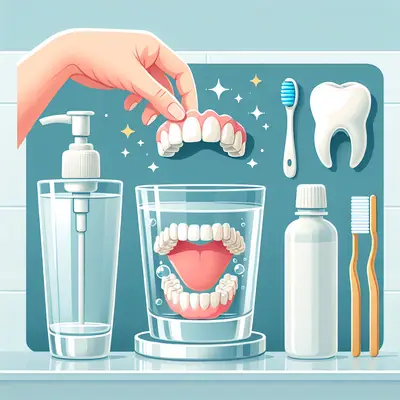
Soaking is necessary to keep dentures moist and dimensionally stable, but the way you soak them can either extend their life or gradually compromise their fit and finish. Think of soaking as you would storing a silk garment or leather shoe: conditions matter.
Consider these elevated soaking practices:
- Use only the recommended concentration of effervescent denture tablets—never “double up” in pursuit of a deeper clean. Over-concentration may deteriorate metal clasps on partial dentures and contribute to surface roughness over time.
- Limit soak times to the product’s instructions; prolonged soaking in potent solutions can subtly degrade soft liners, attachments, and delicate components.
- For dentures with metal frameworks (such as partials), consider alternating between a denture cleanser and a mild, non-abrasive soap in water on different days, to reduce prolonged exposure to oxidizing agents.
- Always rinse meticulously after soaking to remove residual cleanser that could irritate oral tissues and alter taste.
By approaching soaking as a controlled, deliberate step—rather than dropping your dentures into any available solution overnight—you add a layer of precision that protects both function and aesthetics for years.
The Gum-Skin Interface: Curating Comfort Beneath the Surface
Most maintenance advice focuses on the denture itself, but the real luxury is achieved at the interface between acrylic and oral tissues. A beautifully maintained denture resting on inflamed or neglected gum tissue is like a couture suit over an unpressed shirt: the foundation is not worthy of the finish.
Refine your routine by paying close attention to the gums, palate, and underlying structures:
- Massage gums with a soft toothbrush or a clean, damp, ultra-soft cloth at least once daily to stimulate blood flow and maintain tissue resilience.
- If you no longer have natural teeth, don’t skip professional cleanings—your dentist or hygienist will remove plaque from any remaining tooth roots, check soft tissues, and monitor oral health.
- Use an alcohol-free, non-irritating mouth rinse or a simple saltwater rinse (as advised by your dentist) to help keep tissues fresh and calm, especially if you are prone to irritation.
- Let your mouth “rest” without dentures for a portion of each 24-hour period—usually overnight—to reduce the risk of denture stomatitis (inflammation beneath the denture).
By curating the health of the tissue beneath your dentures, you make them more stable, more comfortable, and more luxurious to wear. The fit feels more secure, the bite more natural, and the daily experience less fatiguing.
Strategic Fit Checks: A Quiet Schedule of Micro-Adjustments
Denture discomfort rarely appears overnight; it usually creeps in through tiny, progressive changes in bone and soft tissue. The sophisticated wearer does not wait for pain, friction sores, or embarrassing slippage before seeking help. Instead, they adopt a schedule of strategic fit checks—quiet, deliberate moments to assess performance.
Introduce a subtle, monthly self-review:
- In front of a mirror, observe your smile at rest and in motion. Notice if the dentures seem slightly lower, fuller, or less symmetric than before.
- Pay attention while speaking: any new lisp, clicking sound, or “airiness” may indicate a slight change in positioning or retention.
- Monitor your chewing habits: needing to cut food much smaller or avoid certain textures can be an early sign of diminished fit.
- At least once a year (often twice, as many dentists recommend), schedule a professional evaluation even if you feel “fine.” Your clinician can detect pressure spots, early wear, or bone resorption long before it becomes disruptive.
Rather than waiting for an obvious problem, you are essentially commissioning routine “tailoring” for your smile. Small relines, adjustments, or polishing can maintain exquisite comfort and aesthetics with far less intervention than a crisis repair.
Discreet Lifestyle Tweaks: Protecting Your Investment All Day Long
Maintenance is not confined to the bathroom counter; it is woven into the choices you make throughout the day. A few discreet lifestyle refinements can dramatically influence how well your dentures age. These changes are subtle—nothing that calls attention to your prosthetics—yet they create an environment where your dentures and oral tissues thrive.
Thoughtful adjustments include:
- Temperature awareness: Avoid scalding beverages and extreme temperature swings, which can affect both denture material and oral tissues. Lukewarm to moderately hot is usually ideal.
- Texture intelligence: While well-fitting dentures can manage a variety of foods, consistently tackling very hard or sticky items (like tough caramels, hard nuts, or ice cubes) can introduce unnecessary stress and micro-damage.
- Stain foresight: Deeply pigmented foods and drinks—red wine, black tea, coffee, turmeric-rich dishes—can stain denture surfaces more quickly than enamel. If you enjoy them, follow with a water rinse and maintain a disciplined daily cleaning ritual.
- Tobacco avoidance: Smoking not only stains dentures, but also increases the risk of denture stomatitis, oral infections, and tissue changes that alter fit and comfort.
- Hydration as strategy: A well-hydrated body supports healthy saliva flow, which in turn aids natural cleansing and enhances denture comfort and suction in full upper plates.
These lifestyle choices are not restrictions; they are refinements. By treating your dentures as a valued, long-term investment and adjusting your daily habits just slightly, you preserve their elegance—and your comfort—in a manner that feels natural, not restrictive.
Conclusion
Denture maintenance, at its most refined, is not a checklist of chores but a curated ritual: gentle, precise cleaning; controlled soaking; attentive care of the tissues beneath; proactive fit assessments; and discreet lifestyle choices that quietly protect your investment.
When you view your dentures as a crafted extension of your identity rather than a clinical appliance, the way you care for them transforms. Small, thoughtful decisions accumulate into a long-lasting, comfortable, and impeccably polished smile—one that never calls attention to itself, yet always leaves a composed and memorable impression.
Sources
- American Dental Association – Dentures – Overview of denture types, basic care recommendations, and professional guidance.
- Mayo Clinic – Dentures: How to Care for Them – Practical instructions on cleaning, handling, and maintaining dentures for health and comfort.
- Cleveland Clinic – Dentures – Detailed explanation of denture use, expected lifespan, and reasons for adjustments and relines.
- National Institute of Dental and Craniofacial Research (NIDCR) – Oral Health for Older Adults – Context on oral health changes with age and the importance of ongoing professional care.
- Columbia University College of Dental Medicine – Caring for Your Dentures – Professional insights into best practices for cleaning, storing, and monitoring dentures.
Key Takeaway
The most important thing to remember from this article is that this information can change how you think about Maintenance Tips.