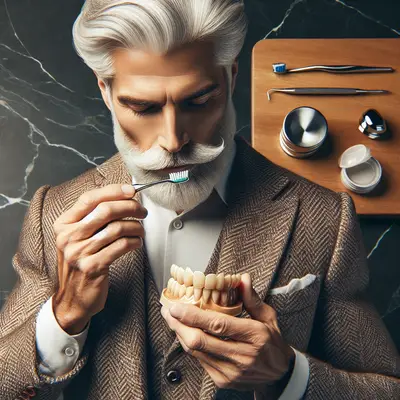
A truly beautiful denture does more than replace lost teeth—it redefines how you inhabit your smile. For discerning denture wearers, oral hygiene is not simply a checklist of tasks, but an intentional practice that preserves comfort, confidence, and long-term oral health. When approached with care and precision, these daily rituals feel less like maintenance and more like a quiet investment in your well‑being.
Below, you’ll find a sophisticated perspective on oral hygiene with dentures, including five exclusive insights that are often overlooked—even by seasoned wearers.
Elevating the Foundation: Why Oral Hygiene Still Matters With Dentures
It’s tempting to think that once natural teeth are gone, the urgency around oral hygiene fades. In reality, the opposite is true. Your dentures rest on living tissue—gums, bone, and, in some cases, remaining natural teeth—that remain vulnerable to inflammation, infection, and bone loss.
Meticulous oral hygiene supports:
- Healthy, resilient gum tissue to comfortably support your dentures
- Stable bone structures that help maintain denture fit over time
- Reduced risk of fungal infections such as denture stomatitis
- Fresher breath and a more confident social presence
- A more predictable, longer lifespan for your denture prosthesis
Caring for your dentures and your mouth is not merely about avoiding problems; it’s about preserving a consistently polished appearance and effortless comfort in every interaction.
Exclusive Insight 1: Treat the Tissue, Not Just the Appliance
Many denture wearers faithfully clean the prosthesis, yet neglect the oral tissues that support it. This is a subtle but consequential oversight.
After removing your dentures, think of your gums, palate, and tongue as deserving the same level of attention you once gave your natural teeth. Gently brushing the gums and palate with a soft toothbrush (or a dedicated ultra-soft gum brush) stimulates blood flow, removes plaque and food debris, and reduces the risk of irritation and infection. The tongue, often overlooked, is a frequent source of persistent odors—cleaning it helps maintain a truly fresh oral environment.
For those with implant-supported dentures, this principle becomes even more crucial. The tissue around implants must remain impeccably clean to minimize inflammation and protect the underlying structures. A refined approach includes:
- A soft manual or electric toothbrush around abutments
- Super floss or specialized interdental aids around implant posts
- An alcohol-free antimicrobial rinse if recommended by your clinician
The mindset shift is subtle yet profound: you are not only maintaining a device; you are preserving the health and elegance of the entire oral landscape that supports it.
Exclusive Insight 2: Mastering the 24-Hour Hygiene Cycle
Oral hygiene with dentures is best viewed as a full-day cycle, not a single nightly chore. The timing and sequence of your care can dramatically influence both comfort and oral health.
A sophisticated 24-hour cycle might look like this:
Morning:
- Rinse your mouth and gums with lukewarm water to awaken the tissues.
- Brush your dentures with a non-abrasive denture cleanser before placing them, never with regular toothpaste, which can create micro-scratches.
- If you use adhesive, apply a minimal, well-placed amount—overuse can trap debris and make hygiene more challenging.
- After meals, discreetly rinse your mouth with water to remove food particles.
- When possible, briefly remove and rinse dentures in the restroom to prevent plaque buildup.
- Remove dentures for the night to allow your tissues to rest and recover.
- Brush your gums, tongue, and palate, not just the denture.
- Soak dentures overnight in a recommended cleanser, ensuring they are fully immersed but never in hot or boiling water, which can distort their shape.
Midday:
Evening:
Approaching your hygiene in this cycle-based way transforms your routine from reactive to anticipatory—a quiet, practiced discipline that preserves both comfort and sophistication throughout the day.
Exclusive Insight 3: The Understated Power of Temperature, Texture, and Taste
For many denture wearers, oral hygiene becomes more enjoyable and sustainable when sensory details are thoughtfully considered. The premium experience lies in the nuances.
Temperature:
Extremely hot water can warp dentures; very cold water can feel harsh on sensitive tissues. Slightly warm or room-temperature water is ideal for both rinsing and cleaning—gentle on materials and more pleasant for daily use.
Texture:
Select brushes and tools that feel luxurious yet effective. Look for:
- Soft or ultra-soft bristles for the gums
- A dedicated denture brush with varying bristle lengths for the prosthesis
- A silicone or gentle tongue cleaner to reduce irritation
Avoid abrasive powders or gritty pastes; while they may create a fleeting sense of “scrubbed clean,” they can damage the polished surfaces that resist staining and plaque.
Taste:
Alcohol-heavy or aggressively flavored mouthwashes may dry the mouth and irritate tissues, especially for those with dry mouth (xerostomia). An alcohol-free, mild rinse—sometimes with added fluoride if you have remaining teeth—can provide a refined, comfortable finish without harshness.
This attention to sensory experience transforms oral hygiene from a task you tolerate into a ritual you actually look forward to maintaining.
Exclusive Insight 4: Discreet Strategies for Social and Travel Settings
Sophisticated denture care extends beyond the bathroom mirror—it accompanies you into restaurants, business meetings, and travel itineraries. Preparing for these settings quietly protects your comfort and confidence.
Consider assembling a compact “discreet essentials kit” that may include:
- A slim, ventilated case for temporary denture storage if needed
- Individually wrapped denture wipes or a small bottle of denture-safe cleanser
- A travel-size soft toothbrush for gums and tongue
- Pre-cut pieces of adhesive, rather than carrying a large tube
- Alcohol-free mouth rinse in a small, leak-proof container or travel sachets
During meals, opt for foods that are easier to manage when you know you won’t have immediate access to your full routine—tender proteins, steamed vegetables, softer grains—reducing the risk of discomfort or food lodging beneath the denture. If an unexpected issue arises, a subtle visit to the restroom with your essentials kit allows you to recompose your smile without drawing attention.
The key insight is this: true oral hygiene for denture wearers is not confined to the home. It’s quietly, thoughtfully integrated into the way you move through the world.
Exclusive Insight 5: Partnering With Your Dentist as a Long-Term Curator
Your dentist or prosthodontist is not merely a technician; they are a long-term curator of your oral environment. Regular visits remain essential—even if every tooth has been replaced.
These appointments allow for:
- Professional evaluation of denture fit as bone and gum tissues naturally change
- Identification of pressure spots before they become painful sores
- Polishing of the denture surface to remove stains and microscopic buildup
- Screening for oral cancer and other pathologies in the soft tissues
- Refinement of your home-care strategy as your needs evolve
A discerning denture wearer views these appointments as part of a broader commitment to excellence, not as remedial visits. Bringing your questions—about cleansers, brushes, adhesives, or emerging discomfort—invites your clinician into a collaborative role. Together, you are designing a long-term plan that prioritizes comfort, aesthetics, and the enduring health of your oral tissues.
Conclusion
Refined oral hygiene with dentures is an interplay of science, precision, and daily intention. It’s not only about clean surfaces; it’s about how you feel in your own smile—how your dentures sit, how your breath presents, how confidently you can speak, laugh, and dine.
By treating the soft tissues with as much respect as the prosthesis, embracing a 24-hour care cycle, attending to sensory details, planning discreetly for life on the move, and partnering closely with your dental professional, you move beyond basic maintenance into a realm of elevated, sustainable care.
In this space, your dentures are no longer simply functional devices. They become part of a well-orchestrated routine that quietly communicates self-respect, attention to detail, and an unwavering standard of personal refinement.
Sources
- American Dental Association – Dentures – Overview of denture types, care recommendations, and professional guidance
- Mayo Clinic – Dentures: Tips for Care and Use – Practical advice on daily denture hygiene and maintenance
- Cleveland Clinic – Dentures – Detailed explanation of denture care, fit, and follow-up needs
- National Institutes of Health (NIH) – Oral Health in Older Adults – Evidence-based information on oral health needs and challenges, including denture considerations
- Columbia University College of Dental Medicine – Complete Dentures – Clinical perspective on complete dentures, follow-up care, and patient guidance
Key Takeaway
The most important thing to remember from this article is that this information can change how you think about Oral Hygiene.