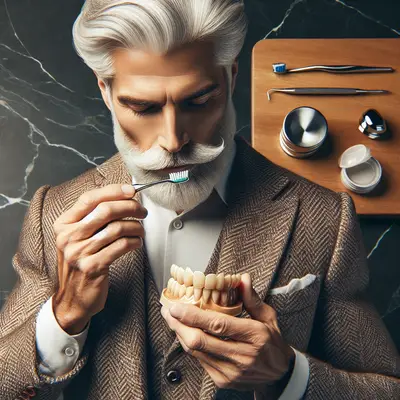
There is nothing “basic” about oral hygiene once dentures enter the picture. Behind every seamless smile lies a series of deliberate, almost ritualistic choices—small acts of care that preserve not only the prosthesis, but the health, comfort, and confidence of the person who wears it. For discerning denture wearers, hygiene is less about ticking boxes and more about cultivating a standard: refined, meticulous, and quietly uncompromising.
This is oral care elevated—where materials, timing, technique, and environment all work together to protect the mouth as carefully as one might protect fine fabric or a mechanical timepiece. Below are five exclusive, often-overlooked insights that help transform “routine cleaning” into a sophisticated, long-term stewardship of your smile.
1. Treat Your Mouth as the Masterpiece, the Denture as the Frame
It is easy to fixate on the denture itself—polishing, soaking, inspecting—but the true luxury is the condition of the mouth beneath. Your gums, tongue, palate, and any remaining teeth are living tissue; they need care that is more tailored than a generic “rinse and repeat.” Think of the denture as an exquisite frame that only looks its best when the canvas it surrounds is healthy, calm, and free of irritation.
A refined routine begins with the denture out of your mouth: gently massaging the gums with a soft, damp cloth or ultra-soft toothbrush to stimulate circulation, dislodge plaque film, and prevent stagnation in areas hidden by the denture during the day. Sweep the tongue and the roof of the mouth to remove bacterial buildup that can create odor and alter taste. Pay special attention to any ridges or folds where food debris and plaque tend to collect. This approach ensures that when your denture returns, it rests on tissue that has been refreshed, not simply tolerated. A clean denture on an unkempt mouth is never truly clean—elevated hygiene starts with what you cannot see.
2. Curate a “Care Wardrobe” of Tools, Not Just a Single Brush
Sophisticated oral hygiene is rarely achieved with a single tool performing every job. Just as a refined wardrobe relies on specific pieces for specific occasions, your denture care benefits from a curated ensemble designed for precision. At minimum, this includes a dedicated denture brush, an ultra-soft toothbrush for remaining teeth and tissues, and a gentle interdental tool if you still have natural teeth or fixed restorations. Each tool serves a distinct, non-negotiable purpose.
A dedicated denture brush (with two differently shaped heads, if possible) allows you to reach curves, clasps, and the fitting surface without resorting to aggressive scrubbing that can scratch acrylic or wear down delicate components. An ultra-soft toothbrush, separate from your denture brush, protects the gums from microtrauma that harsh bristles could cause—particularly critical if your tissues are already adjusting to a new prosthesis. Interdental brushes or floss threaders become essential where natural teeth remain, preventing plaque accumulation that can silently compromise abutment teeth and, by extension, the stability of your denture or partial. By assembling and maintaining this “care wardrobe,” you avoid the temptation to improvise with inappropriate tools (like hard-bristled brushes or abrasive pastes) that quietly shorten the life of your denture and stress the tissues you’re trying to protect.
3. Respect the Night: The Strategic Power of a Denture-Free Sleep
Removing dentures at night is not an old-fashioned suggestion; it is a quietly powerful strategy that separates acceptable care from exceptional care. Continuous wear suffocates the tissues beneath your denture, trapping moisture and bacteria in a way that accelerates inflammation and fungal overgrowth. The luxury is in allowing your mouth to breathe, realign, and recover—even if the habit initially feels inconvenient.
A refined nighttime ritual involves more than simply taking the denture out and leaving it on a bedside table. After gently cleansing the mouth, the denture should be meticulously brushed under cool or lukewarm running water (never hot, which can distort the acrylic), then soaked in an appropriate denture cleanser. This overnight soak not only assists in dislodging plaque and stains, but helps maintain the material’s hydration and dimensional stability. Meanwhile, your gums experience a period of restorative rest: reduced pressure, improved blood flow, and less susceptibility to sore spots or chronic irritation. Over time, this nightly pause preserves both the elegance of your smile and the integrity of the tissues that support it, turning sleep into an active contributor to your oral health, not a passive interval between daytime routines.
4. Master the Invisible: Managing Biofilm, Not Just “Bad Breath”
For many denture wearers, concern about odor is framed as a cosmetic problem. In reality, persistent bad breath is an indicator of something more complex: a thriving biofilm—an organized community of bacteria and fungi—on the denture surface and oral tissues. Managing biofilm is where truly elevated hygiene diverges from basic brushing; it requires a blend of chemistry, consistency, and discernment.
Odor is rarely eliminated by mints, perfumes, or a quick rinse. Instead, sophisticated care targets the microscopic roughness and micro-porosities on denture surfaces where biofilm clings. Mild, non-abrasive cleansers designed specifically for dentures help break down this film without etching or scratching the material. Soaking is not a shortcut; it is a necessary complement to mechanical brushing, allowing active ingredients to penetrate areas your brush cannot reach. Additionally, cleaning the underside (fitting surface) of the denture with the same diligence as the visible side prevents a hidden reservoir of bacteria from perpetuating inflammation and odor. If biofilm has progressed to a stubborn state, professional cleaning or polishing of the denture may be required—an investment well worth making. By treating odor as a biofilm-management issue, not a social embarrassment to mask, you uphold a standard of hygiene that feels fresher, healthier, and more sustainably refined.
5. Align Your Diet, Hydration, and Denture Care Into One Elegant System
Oral hygiene does not end at the sink; what you eat, drink, and how often you hydrate all influence the environment your denture must function in. A parched mouth, frequent snacking, or highly acidic beverages can alter the balance of your oral flora, dehydrate tissues, and encourage plaque buildup on both the denture and any remaining teeth. The most sophisticated approach is to think of your diet, hydration, and cleaning rituals as a single, integrated system.
Staying well-hydrated supports saliva flow, which helps buffer acids, wash away food particles, and maintain a more comfortable interface between the denture and the tissues beneath. Limiting frequent sugary or acidic snacks reduces the constant bacterial feast that leads to plaque accumulation and irritation. After meals, a discreet rinse with water—followed by a gentle, short cleaning ritual when practical—helps prevent food particles from being pressed against the gums for hours. If you use denture adhesive, integrating its application into this system is essential: only a thin, well-placed layer on a meticulously clean denture and tissue base prevents excess material from trapping debris or fostering an unpleasant film. When diet, hydration, and hygiene are thoughtfully aligned, your denture is no longer just an appliance you manage, but part of a well-orchestrated lifestyle that safeguards comfort, longevity, and refinement.
Conclusion
Elevated oral hygiene with dentures is not defined by how many products you own or how quickly you can complete your routine. It is defined by intention: recognizing that your mouth is living, responsive, and deserving of the same level of care you would devote to any prized possession that reflects your identity. By tending first to the tissues, curating precise tools, respecting the restorative power of nighttime, managing biofilm at its source, and integrating lifestyle choices into your care, you move beyond “good enough” into a realm of quiet, enduring excellence.
The result is more than a clean denture. It is a consistently comfortable mouth, a confident smile, and the assurance that your daily rituals are not just maintenance, but an investment in the elegance of your long-term oral health.
Key Takeaway
The most important thing to remember from this article is that this information can change how you think about Oral Hygiene.