Maintaining dentures is not merely a matter of function; it is an exercise in quiet luxury and self-respect. A well-kept prosthetic does more than restore your smile—it preserves comfort, confidence, and the refined ease with which you move through your day. Beyond the standard advice of “clean daily” and “handle with care,” there is a more nuanced, elevated approach: one that considers the subtle interplay of materials, routines, and lifestyle. The following insights are designed for denture wearers who expect more than the ordinary and appreciate the elegance of doing things properly.
The Evening Ritual: Transforming Cleaning into a Restorative Practice
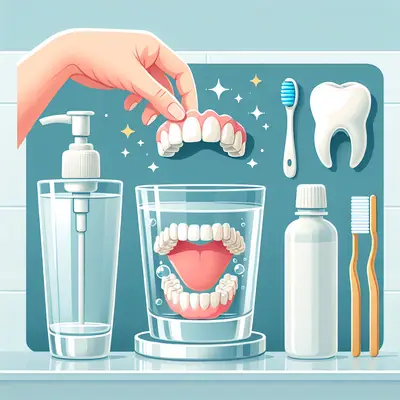
Instead of treating denture cleaning as a rushed obligation at the sink, reframe it as an evening ritual—one that extends the life of your prosthetics and protects your oral tissues. Always begin by rinsing your dentures under cool or lukewarm water to remove loose debris; hot water can subtly distort the acrylic over time. Follow with a purpose-formulated denture cleanser, not standard toothpaste, which is often too abrasive and can create microscopic scratches that harbor bacteria and stain.
The sophistication lies in the details: use a dedicated soft-bristle denture brush with a handle that feels balanced in your hand, allowing you to gently reach all surfaces without excessive pressure. Clean over a basin filled with water or lined with a folded towel to cushion any accidental drops. Once cleaned, give the dentures a final, unhurried rinse to remove every trace of cleanser. This simple, deliberate routine supports hygiene, aesthetics, and the structural integrity of your dentures far more effectively than hurried scrubbing with the wrong products.
Hydration for the Modern Denture: Respecting Materials and Oral Tissues
Denture materials, particularly acrylic, depend on adequate hydration to retain their shape and surface quality. Allowing dentures to dry out—on a nightstand or wrapped in tissue—invites warping, micro-cracking, and a dull, chalky appearance. The more discerning approach is to create an overnight environment that respects both the prosthetic and your oral tissues.
Soak your dentures in a recommended denture-soaking solution or plain cool water overnight; never use hot or boiling water. This hydration helps preserve fit and comfort while allowing your oral tissues to rest and recover. If you wear partial dentures, this resting period is especially important in preventing undue pressure on remaining natural teeth. For those with sensitive mucosa or a history of oral irritation, discuss with your dentist whether alternating between a mild, non-corrosive cleansing soak and plain water is appropriate. The philosophy is simple: keep the materials stable and your tissues unburdened, and the denture will serve you with quiet reliability.
Adhesives with Intention: A Tailored Approach to Security and Comfort
Denture adhesive, when used with discernment, can elevate comfort and confidence without compromising oral health. The refined approach is to treat adhesive not as a crutch for poor fit but as a finishing touch that enhances stability in a well-made prosthetic. Always begin with a clean, dry denture and follow the smallest effective amount directed by the manufacturer; more is not better and can actually reduce comfort and make removal more difficult.
Apply adhesive in thin, discreet strips or dots rather than a continuous thick layer. This allows natural saliva to assist in the seal and avoids overflow that can irritate the soft tissues. Pay close attention to how the denture feels throughout the day: if you gradually need more adhesive to feel secure, this is not a sign to keep increasing the amount—it is a signal to schedule a professional evaluation. A truly sophisticated maintenance mindset understands that adhesives are an adjunct, not a substitute, for correct fit and timely adjustments.
The Polished Fit: Partnering with Your Dentist for Subtle Adjustments
One of the most overlooked aspects of denture maintenance is the “polished fit”—the ongoing, subtle refinement of how the denture meets your gums, muscles, and bite over time. Your mouth is dynamic: bone resorbs, soft tissues change, and bite forces evolve. Even a beautifully crafted denture will require periodic professional attention to maintain its original harmony.
Regular check-ups allow your dentist to identify early pressure points, microscopic fractures, or wear patterns before they become painful or visually obvious. A light adjustment to a high spot, a careful reline to better match the current shape of your gums, or the smoothing of a roughened border can transform daily comfort. This level of maintenance is not dramatic; it is quiet, precise, and preventative. Think of it as tailoring: the garment may be exquisite, but occasional expert alterations keep it sitting flawlessly. Your dentures deserve the same considered attention.
Lifestyle Symmetry: Aligning Habits, Diet, and Care for Long-Term Elegance
The most exclusive insight of all is that denture maintenance is not isolated to the bathroom shelf—it is woven into your lifestyle. Certain beverages, like highly pigmented teas, coffees, and red wines, can gradually stain denture surfaces, especially if they are already microscopically roughened by improper cleaning products. Enjoy them, but balance with frequent rinsing and meticulous cleaning to preserve luminosity.
Similarly, be mindful of exceptionally hard or sticky foods that may stress the prosthetic or compromise adhesive. Cutting foods into more refined, manageable portions not only supports the denture’s longevity but also restores an elegant dining experience, free from anxiety about slippage. Prioritize hydration and, if you still have natural teeth or roots, maintain impeccable care of them and your gums. When your daily habits, dietary choices, and cleaning regimen are in quiet alignment, the result is a denture that remains comfortable, discreet, and aesthetically pleasing for years—an understated luxury that becomes part of your signature presence.
Conclusion
A denture is more than a clinical device; it is an intimate, daily companion that deserves thoughtful care. By elevating your cleaning routine into a ritual, respecting the material’s need for hydration, using adhesives with intention, engaging regularly with your dentist for subtle refinements, and harmonizing your lifestyle with your prosthetic, you move beyond basic maintenance into something more cultivated. The reward is not only a well-preserved denture, but also the serene confidence that comes from knowing every detail of your smile has been considered with exceptional care.
Sources
- American Dental Association – Dentures - Overview of denture types, cleaning recommendations, and general care guidance
- Mayo Clinic – Dentures: How to Care for Them - Practical information on cleaning, handling, and maintaining dentures
- Cleveland Clinic – Dentures - Details on fit, adjustments, adhesives, and when to seek professional help
- National Institute of Dental and Craniofacial Research – Oral Health for Older Adults - Context on oral health changes with age, including denture use and tissue health
Key Takeaway
The most important thing to remember from this article is that this information can change how you think about Maintenance Tips.