A truly polished smile is rarely an accident—it is curated, protected, and preserved through a series of small, deliberate choices. For discerning denture wearers, maintenance is not merely about preventing stains or breakage; it is about honoring an investment in comfort, aesthetics, and confidence. This guide explores five exclusive, often overlooked refinements that elevate routine denture care into a quiet, daily ritual of excellence.
Elevating the Evening: A “Reset Ritual” for Your Dentures
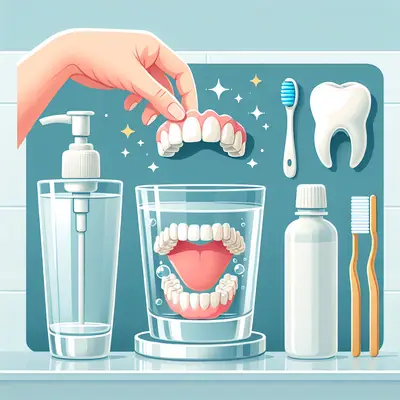
The evening routine is the true backbone of denture longevity. Instead of treating nighttime care as a perfunctory scrub-and-soak, consider it a reset ritual that restores your prosthetics to their ideal state. Begin by gently rinsing your dentures under lukewarm—not hot—water to remove loose debris, protecting the acrylic and any metal components from thermal stress. Follow with a non-abrasive denture cleanser and a soft-bristled brush, paying particular attention to the margins where plaque tends to accumulate and odors originate.
An elevated approach also includes being mindful of timing: removing dentures at least one hour before sleep gives your oral tissues more time to recover, especially if you are prone to irritation or red spots. Once cleaned, soak your dentures overnight in a fresh solution designed specifically for denture materials, not household cleansers or regular toothpaste, which can scratch and dull the surface. Position the soaking container away from direct heat or sunlight and in a stable location where it cannot be easily knocked over. This deliberate, unhurried sequence transforms basic hygiene into a nightly reset that supports cleaner surfaces, clearer acrylic, and calmer oral tissues by morning.
Curating a “Soft Contact Zone”: Protecting Tissues and Prosthetics
Refined denture maintenance extends beyond the dentures themselves to the environment they inhabit—your oral tissues. A “soft contact zone” refers to the condition of the gums, palate, and supporting structures that contact the denture base. If these tissues are inflamed, dry, or compromised, even the most beautifully made prosthesis will feel less than ideal. After removing your dentures, gently massage your gums and palate with a soft toothbrush or clean fingertip to stimulate circulation and support tissue resilience.
Hydration plays a central role in maintaining this soft contact zone. Sipping water throughout the day, particularly between meals, can help alleviate dryness and improve overall comfort. If you are prone to dry mouth—perhaps due to medications or systemic conditions—consult your dentist or physician about saliva substitutes or oral moisturizers that protect both the tissues and the dentures they support. Avoid alcohol-based mouthwashes, which can be unnecessarily harsh and drying. By curating a stable, hydrated, and well-cared-for oral environment, you reduce friction, improve the fit experience, and help your dentures “settle” more gracefully against the tissues they are designed to complement.
Precision Handling: Subtle Techniques That Prevent Micro-Damage
Many denture wearers are meticulous with cleaning yet unintentionally rough during everyday handling. Over time, small drops, flexing, and improper grasping can contribute to cracks, distorted clasps, or loss of surface polish. A more sophisticated approach involves treating your dentures as you would a delicate optical instrument—handled with confident care, never rushed or forced.
When inserting or removing your dentures, always stand over a soft, forgiving surface—a folded towel, a cushioned mat, or a basin partially filled with water—to protect against accidental drops. Hold the prosthesis with both hands where possible, avoiding excessive pressure on the thinner acrylic sections or narrow clasp areas. Never “snap” the denture into place; instead, guide it with a gentle rocking motion until it seats evenly. During cleaning, avoid twisting or bending, and do not use metal tools, toothpicks, or sharp objects to remove stubborn deposits. These tiny adjustments in handling practice significantly reduce micro-damage and preserve the integrity, fit, and refined finish of your denture over years rather than months.
The Subtle Art of Stain Management: Anticipation Over Correction
Maintaining a naturally luminous denture surface is less about aggressive whitening and more about anticipating and minimizing sources of stain before they become embedded. Highly pigmented beverages such as red wine, black tea, coffee, and certain sauces can gradually dull your denture’s appearance, especially if sipped slowly over extended periods. One elegant strategy is to pair indulgent drinks with water rinses—either discreetly swishing with water afterward or alternating sips—to reduce the contact time of staining agents on the acrylic and prosthetic teeth.
Another refinement is timing: whenever possible, remove and gently rinse your dentures soon after consuming strongly colored foods, rather than waiting until the end of the day. This brief interlude, even if only 30 seconds at a sink, can significantly limit stain absorption. Additionally, use only cleansers specifically approved for dentures; “whitening” toothpastes and abrasive powders designed for natural teeth can create microscopic scratches that make future discoloration more likely. By focusing on prevention and subtle daily habits, you maintain a soft, sophisticated sheen that looks naturally maintained rather than aggressively bleached.
Strategic Professional Oversight: Turning Check-Ups into Optimization Sessions
Routine dental visits for denture wearers are often underestimated, treated as simple evaluations for sore spots or obvious problems. A more elevated perspective reframes these appointments as optimization sessions—opportunities to preserve the precision of your prosthetics and the health of your oral foundation. Regular professional assessments allow for fine adjustments to bite alignment, pressure points, and retention, which can subtly shift over time as your bone and soft tissues remodel.
During these visits, invite a more nuanced discussion with your provider: ask about early signs of wear on your denture base, microscopic fractures, thinning areas, or clasp fatigue in partial dentures. Inquire whether your current cleanser, brushing technique, or soaking routine is ideal for your specific material and design. If you experience even brief periods of discomfort—morning tightness, midday pressure, or evening fatigue—describe these patterns in detail so your clinician can refine the fit and occlusion accordingly. Approaching professional care as an ongoing collaboration rather than a reactive service ensures that your dentures continue to perform gracefully, both functionally and aesthetically, as the months and years progress.
Conclusion
Exemplary denture maintenance is rarely defined by a single product or quick fix. It emerges from a collection of deliberate, finely tuned practices: a thoughtful evening reset, a nurtured soft-tissue environment, careful handling, anticipatory stain control, and strategic professional partnership. Each of these refinements contributes to a quieter, more luxurious experience of denture wear—one where the prosthetics disappear into the background, and what remains is an assured, effortless smile. By elevating routine care into a considered ritual, you protect not only your investment, but also the ease and elegance with which you move through the world.
Sources
- American Dental Association – Dentures – Overview of denture types, care recommendations, and professional guidance
- Mayo Clinic – Dentures: How to Care for Them – Practical information on cleaning, handling, and maintaining dentures
- National Institute of Dental and Craniofacial Research – Dry Mouth – Explains dry mouth causes and management, relevant to denture comfort and tissue health
- Cleveland Clinic – Dentures – Details on fit, adjustment, and long-term denture maintenance
- Columbia University College of Dental Medicine – Complete Dentures – Clinical perspective on complete dentures, fit, and follow-up care
Key Takeaway
The most important thing to remember from this article is that this information can change how you think about Maintenance Tips.