There is a particular kind of confidence that comes from knowing your smile is impeccably cared for—not simply “clean,” but thoughtfully maintained with the same discernment you bring to skincare, tailoring, or fine dining. Denture care, when elevated, becomes less of a chore and more of a quiet daily ritual that supports your health, your aesthetics, and your sense of self.
Instead of focusing on the obvious basics, this guide reveals a more nuanced layer of denture care: the subtle habits, tailored adjustments, and refined practices that experienced denture wearers quietly rely on but rarely discuss. These are the details that separate “good enough” from genuinely exceptional.
1. Treat Fit as a Living Detail, Not a One‑Time Event
Most denture wearers assume that once a denture “fits,” the job is done—until discomfort, slipping, or sore spots demand attention. A more refined approach recognizes that fit is dynamic. Your bone structure and gums naturally change over time, and even small shifts can alter how your denture rests, chews, and feels. Ignoring these micro‑changes can gradually erode comfort and facial support, even if you don’t notice it right away.
A sophisticated routine includes proactive check‑ins with your dentist or prosthodontist, not just visits triggered by pain. Subtle signs—like needing more adhesive than usual, food trapping in new places, or a faint clicking sound when speaking—can signal that a reline or adjustment is due. Think of it as tailoring a bespoke suit: the initial fit is only the beginning. Careful, periodic refinements preserve not only comfort, but also your facial contours, lip support, and overall expression. By treating fit as an ongoing relationship rather than a completed task, you safeguard both functionality and aesthetics in a way that feels truly elevated.
2. Elevate Cleaning From “Sanitized” to “Beautifully Maintained”
Cleaning dentures is often framed as a purely clinical obligation: remove plaque, kill bacteria, and move on. But a more considered approach views cleaning as maintenance of both form and function. Overly harsh techniques—such as scrubbing with abrasive toothpaste or using excessively hot water—can cause microscopic scratches, warping, and gradual dulling of the denture surface. The result is a look and feel that ages prematurely, even if the denture is technically “clean.”
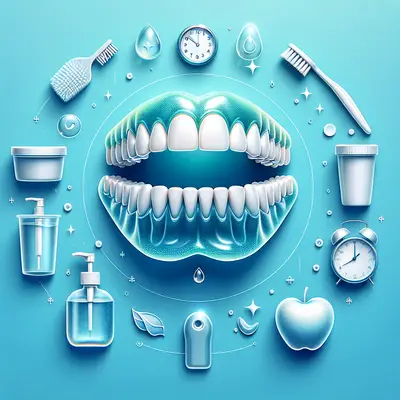
Exceptional care starts with the right tools: a soft, denture‑specific brush; a non‑abrasive cleanser; and a soaking solution recommended by your dental professional. The goal is to protect the surface sheen and contours just as you would protect the finish on a fine watch or piece of jewelry. Rinsing thoroughly after each meal, soaking your dentures overnight (unless advised otherwise), and gently brushing both the denture and your gums are foundational. Going a step further, periodically inspecting your dentures under good light—looking for faint discoloration, hairline cracks, or rough spots—allows you to address concerns early, before they become visible to others. Clean, in this context, is not merely free from odor or debris; it is quietly polished, comfortable, and dignified.
3. Curate Your Diet to Protect Both Your Dentures and Your Health
Diet advice for denture wearers is often reduced to “avoid sticky or very hard foods.” While sensible, that framing is incomplete. A more nuanced perspective considers how your dietary choices affect not only the denture itself, but also your oral tissues, bone health, and overall well‑being. Constantly battling with overly tough foods, for example, can strain the denture, stress your gums, and subtly change how you chew—all of which may affect long‑term fit and comfort.
Instead, think of your diet as something you curate with intention. Choose foods that are gentle on your denture surfaces yet rich in nutrients that support your oral health: calcium for bone, vitamin D for absorption, and protein for tissue repair. Cutting tougher foods into smaller, elegant portions and chewing evenly on both sides can improve control and reduce pressure points. On a more refined level, be mindful of highly pigmented drinks and sauces that may stain acrylic over time; a quick rinse with water after consumption can help preserve your denture’s appearance. This isn’t about restriction, but about making informed, graceful adjustments so that your dining experience remains pleasurable while quietly protecting your smile.
4. Refine Your Adhesive Strategy Instead of “Just Using More”
Denture adhesive is often treated as a blunt tool: if the denture feels loose, simply add more. But an overly generous application can actually compromise comfort and hygiene, causing residue buildup, difficulty cleaning, and an unpleasant feeling throughout the day. A more sophisticated adhesive strategy starts with the understanding that adhesive is meant to enhance a proper fit, not compensate for a poor one.
Begin by experimenting—with your dentist’s guidance—to find the right style for your needs (cream, strips, or powders) and the right quantity. A thin, precisely placed layer usually provides a more controlled, comfortable hold than a heavy application. Pay attention to how your dentures feel at different times of day: does the hold fade early, or remain excessive by nighttime? That timing offers clues about whether adjustments, relining, or a different adhesive formulation might be more appropriate. At the end of the day, thoroughly removing all adhesive from both the denture and your oral tissues is crucial to maintaining a fresh, healthy environment. When approached thoughtfully, adhesive becomes a fine‑tuning tool, not a crutch—supporting a stable, confident bite without compromising elegance or cleanliness.
5. Protect the Tissues You Can’t See in the Mirror
Well‑made dentures can look beautiful, but true sophistication extends beyond what’s visible. The health of your gums, underlying bone, and oral tissues is the foundation that allows your dentures to feel and function like a natural part of you. Yet these tissues can quietly suffer if they’re not given the same dedicated care as the denture itself. Ill‑fitting dentures, chronic low‑grade irritation, or sleeping with dentures in (against professional advice) can accelerate bone loss and create sore spots, even if you’ve learned to “tolerate” the discomfort.
A premium approach respects your mouth’s need to rest and recover. Removing dentures at night (if your dentist recommends it), gently massaging your gums with a soft toothbrush or moistened cloth, and rinsing with an alcohol‑free mouthwash can help stimulate circulation and keep tissues resilient. Regular oral cancer screenings and professional check‑ups are equally important, especially if you have a history of tobacco use, heavy alcohol use, or sun exposure to the lips. If you notice persistent redness, rough patches, or a change in how your dentures meet when you bite, treat it as a prompt for professional evaluation—not an inconvenience to be ignored. Caring for these unseen structures is the ultimate act of quiet luxury: you’re preserving the very foundation of your refined smile.
Conclusion
Exceptional denture care is not about perfectionism; it’s about intention. When you treat your dentures—and the tissues that support them—with the same discernment you bring to other areas of your life, the difference is tangible: more comfort, more confidence, and a smile that feels authentically yours.
By viewing fit as an ongoing collaboration, cleaning as preservation, diet as a curated choice, adhesive as a fine‑tuning tool, and your oral tissues as the silent cornerstone of your smile, you move beyond basic maintenance into a realm of truly elevated care. That quiet dedication may never be obvious to others—but it will be unmistakable every time you speak, laugh, or simply sit comfortably in your own skin.
Key Takeaway
The most important thing to remember from this article is that this information can change how you think about Denture Care.