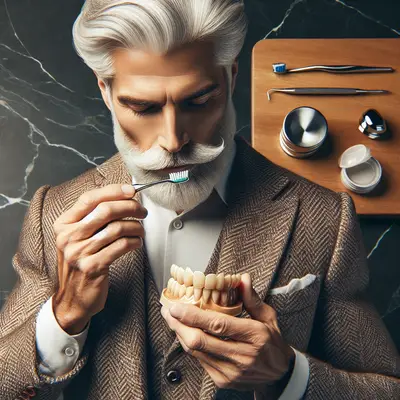
Oral hygiene with dentures is less about routine and more about ritual—an understated discipline that protects both the elegance of your smile and the health beneath it. For discerning denture wearers, excellence lies in details others overlook: water temperature, microscopic biofilm, the timing of a soak. This is not about doing “enough.” It is about doing it beautifully, precisely, and intelligently, so your prosthetics, soft tissues, and remaining teeth coexist in quiet harmony for years.
Below are five exclusive, refined insights that go beyond standard advice—subtleties that can transform denture care from a chore into a carefully curated practice.
The Temperature Principle: Protecting Dentures and Delicate Tissues
Water temperature may seem trivial, yet it plays a defining role in both denture longevity and oral comfort. Hot water can subtly warp acrylic bases over time, distorting the fit so gradually you may only notice when sore spots and tiny abrasions appear. Conversely, water that is too cold can reduce the effectiveness of certain cleansing agents and make plaque more difficult to remove from microscopic surface pores. The ideal approach is to use cool to lukewarm water—comfortably warm to the touch, never steaming—for both rinsing and brushing your dentures.
This same principle shields your natural oral tissues. Alternating between very hot and very cold drinks can stress the soft tissues and any remaining teeth, particularly if you are still adjusting to a new prosthesis. A moderated temperature spectrum—tepid rinses after meals, room‑temperature water throughout the day—creates a stable environment for both dentures and the delicate mucosa beneath. Over time, this consistency helps maintain fit, comfort, and the overall integrity of your prosthetic investment.
Biofilm Management: Treating Dentures Like Precision Devices
Plaque on dentures is not merely “surface build‑up”—it is a living biofilm resembling what forms on natural teeth, and it can harbor bacteria and fungi such as Candida. Left undisturbed, it can contribute to bad breath, denture stomatitis (inflammation of the tissue under the denture), and even systemic health concerns in medically vulnerable individuals. Managing this biofilm calls for a strategy closer to maintaining a precision instrument than simply “washing” an accessory.
A soft-bristled denture brush or ultra‑soft toothbrush, dedicated exclusively to your prosthetics, allows you to gently disrupt biofilm without scratching the surface. Microscopic scratches become perfect hiding places for bacteria and stains, diminishing both hygiene and aesthetics. Use a non‑abrasive denture cleanser or a mild liquid soap recommended by your dental professional—never regular toothpaste, which is usually too harsh on acrylic and resin. Pay particular attention to the intaglio surface—the tissue-facing side—where biofilm directly interacts with the mucosa. This level of intentionality preserves not just cleanliness but the refined finish and translucency that distinguish high‑quality dentures.
The Nighttime Reset: Luxurious Recovery for Gums and Bone
Nighttime is when your mouth recovers from the day’s mechanical pressure and microbial challenges. Wearing dentures around the clock may feel convenient, but it deprives your gums and underlying bone of essential rest. Removing your dentures at night is not a compromise in discretion; it is a disciplined act of preservation. The soft tissues beneath your prosthesis need exposure to oxygen and a reduction in pressure to maintain circulation, minimize inflammation, and reduce the risk of fungal overgrowth.
While you rest, your dentures should also experience their own “reset.” An overnight soak in a high-quality, non‑corrosive denture cleanser helps dissolve residual plaque, protein films, and pigments from tea, coffee, red wine, or spices. If you have metal components (such as in partial dentures), use a cleanser explicitly safe for metal to avoid tarnish or damage. Storing the dentures in fresh, cool water after the cleansing cycle prevents warping and dryness. This dual recovery—tissues breathing, dentures bathing—creates a daily rhythm that supports long‑term comfort, fit, and aesthetics.
Precision Care for the Mouth Beneath the Denture
A refined denture care regimen always respects the mouth beneath as the true foundation. Even in fully edentulous (toothless) arches, your gums, palate, and residual ridges require intentional hygiene. After removing your dentures, gently brush the gums, palate, and tongue with an ultra‑soft toothbrush or a soft, damp gauze pad. This stimulates blood flow, removes residual plaque and debris, and reduces the risk of denture-related infections and chronic irritation.
If you still maintain natural teeth—often the case with partial dentures—your brushing and flossing routine should be executed with the same exacting standards you apply to your prosthesis. Pay particular attention to abutment teeth (those adjacent to or supporting your denture), as they bear extra functional load and are more vulnerable to plaque accumulation. An alcohol‑free, fluoride mouthrinse can add a layer of protection for tooth enamel and help maintain a pleasantly neutral breath. When needed, your dentist may recommend an antimicrobial rinse for short periods to control inflammation or infections under the denture. This integrated precision—prosthetic and biological—ensures your smile is not only beautiful but structurally secure.
Micro‑Adjustments: Small Refinements with Outsized Impact
Truly elevated denture hygiene depends on micro‑adjustments—small, thoughtful choices that preserve comfort and appearance over the long term. Rinsing your mouth and dentures with water after every meal, even when you cannot brush immediately, helps prevent staining and food particles from being pressed against tissues for hours. When enjoying staining beverages, sipping water between mouthfuls creates a gentle self‑cleaning effect and prolongs the clarity of your denture teeth.
Adhesive use is another subtle but important dimension. A minimal, well‑placed application can improve stability and comfort, but excess adhesive can trap food debris and interfere with proper cleaning. Adopting a “less but precise” philosophy—tiny, strategic dots rather than thick smears—maintains both dignity and hygiene. Finally, scheduled professional reviews, at least once a year or as advised by your dentist, allow for fine‑tuning fit, polishing the dentures to remove microscopic roughness, and monitoring the health of your soft tissues. This ongoing calibration keeps your prosthetics performing at their peak while safeguarding the underlying structures that support your smile.
Conclusion
Oral hygiene with dentures, at its highest standard, is a carefully orchestrated balance of protection, precision, and restraint. From honoring the correct water temperature to nurturing the tissues that never meet the camera, every detail contributes to a quietly impeccable result. Your dentures may be removable, but your commitment to their care—and to the health of the mouth that hosts them—should be unwavering. When you treat your oral hygiene ritual as an expression of self‑respect and refined taste, your smile becomes more than an aesthetic—it's a meticulously preserved asset.
Sources
- American Dental Association – Dentures – Overview of denture types, care basics, and maintenance recommendations
- Mayo Clinic – Denture Care: How to Care for Partial or Full Dentures – Practical guidelines on cleaning, overnight removal, and tissue care
- Cleveland Clinic – Dentures – Clinical perspective on denture use, fit, and long-term oral health considerations
- National Institutes of Health (NIH) – Denture Stomatitis Review – Research-based insight into biofilm, Candida, and tissue inflammation under dentures
- Colgate Oral Care Center – How to Clean Dentures – Additional details on daily cleaning methods and product considerations
Key Takeaway
The most important thing to remember from this article is that this information can change how you think about Oral Hygiene.