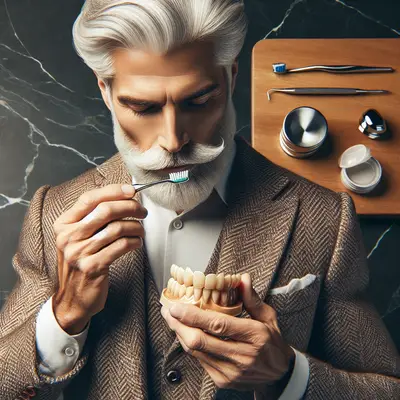
An impeccable smile is never an accident—it is the quiet result of intention, knowledge, and elevated daily habits. For denture wearers, oral hygiene is no longer just about “keeping teeth clean”; it becomes a curated practice that protects oral health, preserves aesthetics, and ensures confidence in every conversation. This guide reveals refined, often-overlooked insights that elevate denture care beyond the ordinary, so your routine feels less like a chore and more like a personal standard of excellence.
Rethinking “Clean”: Why Denture Hygiene Is Different from Natural Teeth
Denture hygiene is fundamentally distinct from caring for natural teeth, even though the goal—oral health and freshness—remains the same. Natural teeth are anchored in bone, supported by periodontal structures, and constantly bathed in saliva along the gum line. Dentures, by contrast, rest on soft tissues and are made of materials that can harbor biofilm in subtle pores even when they appear spotless.
This means plaque on dentures behaves differently from plaque on enamel: if not removed daily, it can calcify into tartar on the denture’s surface and irritate the underlying tissues, increasing the risk of denture stomatitis (inflammation of the mouth’s lining). Moreover, acrylic materials can retain stains and odors far more readily than natural teeth, meaning “almost clean” is simply not enough. Elevating your approach from “good enough” to meticulously thorough allows your mouth to remain calm, balanced, and comfortable over the long term.
Insight 1: The ‘Two-Environment’ Mindset – Caring for Mouth and Denture Separately
One of the most refined shifts a denture wearer can make is to stop viewing the mouth and denture as a single unit. Instead, think in terms of two environments that both require dedicated care: the oral tissues and the prosthetic.
When dentures are removed, the mouth itself needs its own cleansing ritual—gums, tongue, palate, and any remaining natural teeth. Using a soft toothbrush or a super-soft washcloth, gently massage the gums and palate to stimulate circulation and remove plaque or debris. The tongue, often overlooked, can harbor bacteria that cause bad breath and contribute to denture-related infections if not cleaned daily.
At the same time, your dentures should be cleaned on a separate surface, using tools and products designed specifically for them. This dual-care philosophy prevents cross-contamination, reduces fungal overgrowth, and preserves both comfort and freshness. It’s a subtle distinction, but it transforms the experience from basic cleaning into a balanced, comprehensive regimen.
Insight 2: The Art of Denture Brushing – Pressure, Texture, and Technique
Brushing dentures is not a matter of scrubbing harder, but of brushing smarter. Acrylic and other denture materials are durable yet surprisingly vulnerable to micro-scratches, which can accumulate over time and create ideal hiding places for bacteria and stains.
Use a dedicated denture brush or an ultra-soft toothbrush and avoid regular toothpaste, which is often too abrasive. Instead, opt for a non-abrasive denture cleanser or a mild, non-whitening liquid soap recommended by your dental professional. Hold your denture securely over a basin of water or a folded towel to cushion any accidental drops.
Employ a light, controlled pressure with small circular motions over every surface—the polished exterior, the fitting surface that rests on the gums, and any clasps or attachments if you wear partials. Pay particular attention to the junctions and grooves where plaque tends to accumulate. This refined level of precision not only prolongs the life of your denture but maintains a smooth, glass-like surface that feels clean against the tongue and resists odors.
Insight 3: Overnight Soaking as Preventive Therapy, Not Just a Habit
Removing and soaking dentures overnight is more than a traditional instruction; it is a deliberate strategy to protect both the appliance and your oral tissues. Wearing dentures 24/7 denies your gums much-needed rest and can increase the risk of fungal infections, sore spots, and bone resorption over time.
Soaking in an appropriate denture-cleaning solution helps break down biofilm, stain-causing deposits, and odor-producing bacteria that brushing alone may miss. Equally important, it allows the material to rehydrate, helping the denture maintain its shape and fit. Dry storage can cause subtle distortion over time, which may translate into discomfort or reduced stability.
The key is to use a cleanser specifically designed for dentures and to follow the manufacturer’s instructions precisely—never use hot or boiling water, bleach, or household cleaners, which can damage the material and irritate the tissues. Think of your soaking step as an overnight spa treatment: quiet, restorative, and essential for long-term elegance in both appearance and function.
Insight 4: Silent Signals – Reading Subtle Changes in Fit, Breath, and Tissue
Premium oral hygiene is not only about what you do each day; it is equally about what you notice. Denture wearers who maintain a keen awareness of subtle changes can address issues early, before they become costly or uncomfortable.
A slight shift in the way your denture seats, a new area of tenderness, or an increase in dryness or bad breath can all be early warning signs. These may indicate plaque buildup, fungal overgrowth, microscopic cracks in the denture surface, or gradual bone changes affecting the fit. Persistent redness beneath the denture, small white patches, or a burning sensation should never be dismissed; they warrant evaluation by a dental professional.
By building a brief “inspection moment” into your daily routine—checking the tissue after removing your dentures, noting whether any areas appear irritated, and examining the denture itself for roughness or discoloration—you empower yourself to seek professional care at the first hint of imbalance. This attentive mindset is one of the most powerful tools in a refined denture-care approach.
Insight 5: Curating a Hydration and Saliva-Conscious Lifestyle
For many denture wearers, especially older adults or those taking multiple medications, dry mouth (xerostomia) is a quiet but significant challenge. Saliva is not merely moisture; it is a natural cleanser, buffer, and lubricant that supports both oral comfort and denture stability. When saliva is reduced, plaque accumulates more rapidly, tissues become more fragile, and dentures may feel less secure.
Refined hygiene includes thoughtful hydration habits. Sip water regularly throughout the day rather than relying on occasional large servings. Limit sugary beverages and acidic drinks, which can foster bacterial growth and irritate tissues. If dry mouth is persistent, your dental provider may recommend saliva substitutes, oral moisturizers, or sugar-free xylitol-containing lozenges or gum (if safe for your denture configuration) to stimulate salivary flow.
Equally important is avoiding habits that compound dryness, such as tobacco use or excessive alcohol consumption in rinses or beverages. By treating saliva as a valued ally rather than an afterthought, you create an environment in which both your dentures and your oral tissues can thrive.
Insight 6: Integrating Your Dentures into an Elevated Oral Wellness Routine
Finally, the most exclusive insight is to view denture hygiene not as a separate burden, but as part of an overall personal wellness ritual. This mindset aligns your denture care with skin care, nutrition, and sleep as integral components of how you present yourself to the world.
Schedule regular professional evaluations—even if your dentures feel comfortable. Dental professionals can professionally clean your dentures, assess their fit, examine your oral tissues for early signs of disease, and advise on refinements to your home care. Align these visits with other health check-ins to keep your wellness routine cohesive.
At home, consider pairing your denture routine with other calming rituals, such as an evening skincare regimen or a brief mindfulness practice. When oral hygiene feels considered and intentional, rather than rushed or utilitarian, you are far more likely to maintain the diligent, exacting standards that keep your smile polished and poised over the years.
Conclusion
A beautifully maintained denture is the visible result of invisible discipline: thoughtful techniques, precise product choices, and an attentive awareness of how your mouth feels day to day. By embracing a two-environment mindset, refining your brushing technique, treating overnight soaking as active prevention, listening to subtle signals, honoring saliva’s role, and weaving everything into a broader wellness routine, you elevate denture hygiene to a higher standard. The reward is more than a clean appliance—it is enduring comfort, quiet confidence, and a smile that reflects the care you invest in yourself.
Sources
- American College of Prosthodontists – Caring for Your Dentures – Professional guidance on daily denture care, soaking, and handling
- Mayo Clinic – Dentures: How to Care for Them – Overview of best practices for cleaning, storage, and professional follow-up
- National Institute of Dental and Craniofacial Research – Oral Health in Older Adults – Discusses dry mouth, oral changes with age, and implications for denture wearers
- Cleveland Clinic – Dry Mouth (Xerostomia) – Explains causes, symptoms, and management strategies for dry mouth that affect comfort and denture stability
- Journal of the American Dental Association – Denture Stomatitis and Candida63547-5/fulltext) – Research-based insight into the relationship between denture hygiene, fungal overgrowth, and tissue health
Key Takeaway
The most important thing to remember from this article is that this information can change how you think about Oral Hygiene.