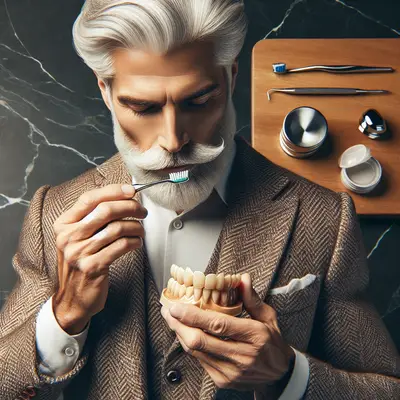
Oral hygiene with dentures is far more than a functional obligation; it is a daily ritual that quietly upholds your comfort, your health, and your poise. When approached with intention, even the simplest habits—how you rinse, how you store, how you clean—can be elevated into a refined practice that protects both your investment and your confidence. This guide explores a more discerning approach to oral hygiene with dentures, with five exclusive insights that go beyond the usual checklists and into the realm of true, considered care.
Reframing Oral Hygiene: From Chore to Daily Ritual
For many denture wearers, hygiene begins as a utilitarian task: remove, clean, soak, repeat. Yet the most successful long‑term wearers view these same steps as a quiet ritual that frames the day—one that safeguards the aesthetics of their smile and the health of the tissues beneath.
Approaching oral hygiene as ritual changes how you move through each step. You become more attentive to the feel of your denture surfaces, the condition of your gums, the subtle shifts in fit or freshness. This heightened awareness is not indulgence; it is early detection in disguise. Tiny rough patches, a faint odor, or emerging redness in the mouth are often the first indicators of problems that, if overlooked, evolve into infections, sore spots, or compromised fit. When your routine is deliberate rather than rushed, you give yourself the advantage of early intervention—and preserve the comfort and elegance of your prosthesis for years longer.
The Foundation: Impeccable Daily Cleansing, Executed With Precision
Behind every refined result lies an uncompromising foundation. For dentures, that foundation is a meticulous daily cleansing routine—not harsh, not hurried, but exacting.
Dentures should be removed and rinsed after meals whenever possible, ideally under cool to lukewarm running water to dislodge food particles and plaque. A dedicated soft-bristled denture brush and a non‑abrasive denture cleanser form the core of your evening routine. Ordinary toothpaste, which is formulated for enamel, is often too abrasive for acrylic or resin surfaces and can create microscopic scratches that harbor bacteria and stain over time. Gentle, thorough brushing—paying particular attention to the fitting surface that rests against your gums—helps preserve the integrity of the material and the clarity of its finish.
Equally important is cleaning the mouth itself, even when no natural teeth remain. Soft brushing or wiping of the gums, palate, and tongue removes biofilm and improves circulation in the tissues. This simple step significantly reduces the risk of denture stomatitis (a common inflammatory condition under dentures) and keeps breath fresher, naturally and consistently. The elegance of a denture smile depends as much on the unseen tissues beneath as on the visible prosthesis above.
Exclusive Insight #1: The “24-Hour Oral Climate” Mindset
Most advice for denture hygiene focuses on the few minutes spent cleaning. A more elevated perspective considers the mouth as a 24‑hour environment—a delicate ecosystem that is continuously influenced by temperature, moisture, pH, and microbial activity.
Viewing your day through this lens changes your choices:
- You become more aware of how frequent snacking, especially on sugary or acidic foods, shifts the oral pH and encourages fungal overgrowth.
- You recognize that extended dryness (dehydration, certain medications, or habitual mouth-breathing) makes tissues more vulnerable to irritation under dentures.
- You understand that wearing dentures overnight, in a warm, closed environment, can dramatically accelerate fungal and bacterial accumulation.
Cultivating a balanced “oral climate” means supporting hydration throughout the day, limiting constant grazing on sugary foods, and giving your mouth predictable periods of rest without the prosthesis. This is less about restriction and more about rhythm—structure that quietly preserves the health of your soft tissues and the longevity of your denture.
Exclusive Insight #2: The Silent Luxury of a Denture-Free Night
Removing dentures at night is often presented as a clinical recommendation; in practice, it is a gift to the tissues that support your smile. Think of your gums and palate as bearing a tailored garment all day—well-fitted, yes, but still a constant presence. Just as skin benefits from being uncovered, oral tissues need time to breathe, recover, and re-establish a healthy balance of saliva and microflora.
A truly refined nightly ritual involves three key elements:
- A clean prosthesis – Thoroughly brushed and placed in a fresh, cool soaking solution specifically formulated for dentures. Hot water, even mildly too warm, can warp the material over time.
- A rested oral environment – Gums gently cleaned and left free of hardware overnight, unless a clinician has explicitly recommended otherwise for specific medical or post-surgical reasons.
- A mindful morning reintroduction – Rinsing both mouth and denture before reinsertion, ensuring no soaking solution remains, as these are not meant to be ingested or to remain in contact with tissues.
The result is not only healthier soft tissues but also a more consistent sense of freshness upon waking—an understated yet unmistakable hallmark of high-level personal care.
Exclusive Insight #3: Tailored Hygiene for Implant-Supported and Partial Dentures
Not all dentures impose the same demands on hygiene. Implant-supported dentures, overdentures, and partials each introduce discreet challenges that require a more nuanced approach.
For implant-supported designs, the interface between the prosthesis and the implants becomes critical. Biofilm accumulation around implant abutments can jeopardize not only your prosthesis but also the bone structure beneath. Daily cleaning around implants with interdental brushes, super floss, or water flossers—guided by your clinician’s recommendation—should be as consistent and precise as face washing or shaving.
Partial dentures, which coexist with natural teeth, require the wearer to be vigilant about plaque control on the remaining dentition. Metal clasps can trap food, and the teeth that support them often carry higher risk of decay or gum disease if ignored. An elevated routine recognizes these “high-stakes” areas and invests slightly more time and precision where it matters most. This level of customization within your hygiene ritual is what separates standard care from truly thoughtful care.
Exclusive Insight #4: Curating a Minimal, High-Performance Care Arsenal
The market for denture products can be overwhelming, with countless cleansers, adhesives, brushes, and accessories. A refined approach is not about owning everything; it is about curating a minimal, high-performance set of essentials that work synergistically.
A well-considered arsenal might include:
- A dedicated soft denture brush with bristles firm enough to clean yet gentle enough to avoid scratching.
- A non-abrasive denture cleanser from a reputable brand, used as directed for daily or overnight soaking.
- A separate ultra-soft toothbrush for gums, tongue, palate, and any remaining natural teeth.
- A mild, alcohol-free mouth rinse (or simply water and diligent mechanical cleansing) to freshen without overdrying tissues.
- Adhesive, if recommended, chosen not by its strength alone but by how cleanly it rinses away and how well it complements your specific fit.
This edited collection of tools does more than keep your denture clean. It streamlines your routine, reduces clutter, and reinforces a sense of calm order—small but meaningful luxuries in daily life.
Exclusive Insight #5: The Annual “Oral Aesthetic Audit”
Just as one might periodically reassess a wardrobe or skincare routine, discerning denture wearers benefit from an annual “oral aesthetic audit”—a structured, comprehensive evaluation of their prosthesis, their oral tissues, and the habits that support both.
Ideally conducted with your dental professional, this audit might include:
- A close inspection of the denture for hairline cracks, staining, surface wear, or loss of gloss.
- An assessment of fit and function—any clicking, lifting, or increased need for adhesive can signal gradual changes in bone or soft tissue.
- A review of oral tissues for redness, white patches, or areas that seem chronically irritated.
- A candid discussion of your hygiene routine, diet, saliva flow, and any new medications that may alter your oral environment.
This is not about fault-finding; it is about preserving excellence over time. By treating your denture and oral hygiene as elements of a long-term aesthetic and health strategy, you protect your investment and ensure your smile continues to feel as natural and effortless as it appears.
Conclusion
Oral hygiene with dentures, when viewed through a more discerning lens, becomes more than a series of tasks. It is a ritual of respect—for your health, your comfort, and the quiet luxury of feeling entirely at ease in your own smile. By attending not only to the visible prosthesis but also to the oral environment, the nighttime rest of your tissues, the nuanced needs of your specific denture type, and the careful curation of your tools, you create a standard of care that is both elevated and sustainable.
In the end, the true refinement lies not in complexity, but in consistency. Thoughtfully performed, day after day, your oral hygiene ritual becomes an invisible yet powerful foundation for the confidence you present to the world.
Sources
- Mayo Clinic – Dentures: How to Care for Them - Overview of essential denture care practices and daily hygiene recommendations
- American College of Prosthodontists – Dentures - Clinical guidance on different denture types, fit, and maintenance considerations
- American Dental Association – Cleaning Your Dentures - Practical instructions on brushing, soaking, and caring for dentures and oral tissues
- National Institutes of Health (NIH) – Denture Stomatitis Review - Research-based insights into inflammation under dentures and the role of hygiene
- Cleveland Clinic – Dental Implants and Oral Hygiene - Details on the specific care needs around implants and prostheses they support
Key Takeaway
The most important thing to remember from this article is that this information can change how you think about Oral Hygiene.