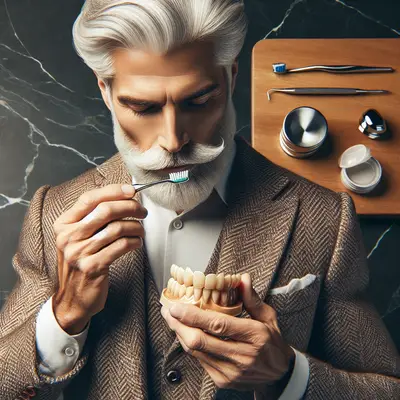
Oral hygiene with dentures is not simply about staying “clean”; it is about preserving comfort, confidence, and an elegantly composed presence throughout the day. Modern dentures can be remarkably discreet, but the habits that sustain them require a touch of precision, discernment, and consistency. When thoughtfully curated, your oral care ritual becomes less of a chore and more of a daily investment in poise and well‑being.
In this guide, we move beyond the usual advice to explore refined, real‑world practices—and five exclusive insights—that discerning denture wearers can use to maintain a truly polished standard of oral health.
The Foundation: Rethinking “Clean” for the Denture Wearer
Oral hygiene takes on a different character when your teeth are removable. Instead of focusing solely on brushing enamel, you’re caring for both a medical device and the delicate tissues that support it.
A premium approach starts with understanding that your mouth is a complex environment: a balance of saliva, temperature, oral bacteria, and mechanical forces from chewing and speaking. Dentures subtly alter that ecosystem. They can trap food, create micro‑irritations, and change how saliva flows around your gums and palate. Left unmanaged, these small shifts can become chronic soreness, persistent odor, or infections such as denture stomatitis.
The refined response is not harsh scrubbing or overuse of antiseptic products—but controlled, thoughtful care. Think: gentle precision in cleaning, strategic moisture management, and consistency over intensity. This is the difference between a mouth that is merely “not problematic” and one that feels genuinely fresh, calm, and resilient.
Exclusive Insight #1: Treat Your Gums Like Fine Fabric, Not Hard Porcelain
Many denture wearers focus obsessively on the prosthesis and overlook the true foundation: the gums and oral tissues beneath. This is where sophisticated care begins.
Your gums behave more like a delicate fabric than a hard surface. They are easily abraded, easily inflamed, and exquisitely responsive to friction and bacteria. Brushing them too aggressively with a stiff brush can be as damaging as not stimulating them at all.
A more elevated approach:
- Use a super‑soft manual toothbrush or a clean, damp gauze pad to gently sweep your gums, palate, and tongue at least once daily, preferably twice.
- Think in short, light strokes, almost like dusting a fragile surface, rather than scrubbing.
- Include the roof of your mouth and the inner surfaces of your cheeks, where yeast overgrowth and plaque film can quietly develop.
- If any area consistently reddens or burns after cleaning, it is a signal—not an inconvenience—to have it examined.
By treating your tissues as the primary asset—not an afterthought—you reinforce the health of the structures that hold and stabilize your denture over time.
Exclusive Insight #2: Curate Your “Overnight Environment” for Denture and Tissue Recovery
Removing dentures at night is widely recommended, but what happens in those eight or more hours can either rejuvenate or compromise your oral health.
Think of nighttime as recovery mode for your mouth:
- Denture out, tissues at rest: Sleeping with dentures can increase the risk of denture stomatitis and pneumonia in older adults. Allowing your gums to breathe reduces constant pressure and improves circulation.
- Cool, fresh soak—not a stagnant bath: Soak your dentures in a fresh denture cleansing solution or plain water every night. Replace soaking solution daily; never “top it off.” A neglected solution can become a bacterial brew.
- Ambient humidity matters: Extremely dry bedrooms (heating or air conditioning on overnight) can worsen dry mouth. A small bedside humidifier can subtly improve comfort and reduce morning irritation for many denture wearers.
- Mouth before bed, denture after: Clean your oral tissues and tongue before placing dentures in their soak. This two‑step ritual—mouth first, denture second—creates a predictable rhythm that lowers infection risk.
This curated overnight environment allows both your tissues and your denture to reset, so that each morning begins with comfort rather than recovery from irritation.
Exclusive Insight #3: Elevate Denture Cleansing Beyond “Soap and Water”
Dentures require more than a quick rinse under the tap. But elevated care doesn’t mean harsh detergents or household cleaners—these can damage materials or leave irritant residues.
Refined denture cleansing prioritizes thoroughness, compatibility, and gentle precision:
- Dedicated denture brush: Use a brush designed for dentures—not the same one you use on natural teeth—to reach along the inner curves, clasps (for partials), and the palatal surface.
- Non‑abrasive cleanser: Select a non‑abrasive denture cleanser; regular toothpaste is too abrasive and can create micro‑scratches that harbor bacteria and stains.
- Routine that respects materials: Follow the manufacturer’s guidelines for soaking tablets or solutions. Over‑concentrating products or soaking for excessively long periods may weaken metal components or discolor acrylic.
- Cool to lukewarm water only: Hot water can warp dentures, subtly altering fit and comfort. Treat them as you would a tailored garment—never expose them to extremes.
- Rinsing as a finishing touch: After soaking, rinse your dentures thoroughly under running water before placing them in your mouth to remove any chemical residue.
This meticulous but gentle approach preserves both the function and aesthetic integrity of your denture, prolonging its life and maintaining a truly polished appearance.
Exclusive Insight #4: Master Saliva Balance as a Quiet Cornerstone of Comfort
For denture wearers, saliva is not just “spit”—it is a natural lubricant, buffer, and protective film. Too little, and dentures chafe and cling uncomfortably. Too much, and speech and adhesion suffer.
Sophisticated oral hygiene recognizes saliva management as a central pillar:
- If you experience dryness (common with many medications, aging, or nighttime breathing):
- Sip plain water throughout the day rather than relying on sugary or acidic drinks.
- Consider alcohol‑free mouthrinses formulated for dry mouth and saliva substitutes or moisturizing gels recommended by your dentist.
- Sugar‑free lozenges or gum containing xylitol can gently stimulate saliva, when appropriate for your denture type and jaw condition.
- If you struggle with excess saliva, particularly in the initial adaptation period:
- Recognize that this is often temporary as your mouth “learns” the new appliance.
- Gentle swallowing exercises and deliberate, slower speech can help recalibrate your oral muscles and saliva control.
By treating saliva as a parameter you can influence—not a nuisance—you enhance comfort, reduce friction, and support a healthier oral environment around your dentures.
Exclusive Insight #5: Design a Midday Reset That Protects Both Elegance and Health
Many denture wearers perform their main cleaning ritual in the morning and at night, but ignore the most active period of the day: the hours spent eating, speaking, and socializing. A midday reset can be the distinguishing detail that keeps your oral hygiene truly elevated.
This reset need not be elaborate or conspicuous:
- Post‑meal rinse as a baseline: After lunch, discreetly rinse your mouth with water for 20–30 seconds, swishing along the gumline and under the denture. This helps dislodge food and reduce odor‑causing debris.
- Mini travel kit: Consider a compact case with:
- A small denture brush
- A travel‑size non‑abrasive cleanser or mild, non‑whitening toothpaste (for very brief, occasional use on partial clasps, if approved by your dentist)
- A small bottle of alcohol‑free mouthrinse
- Strategic removal when possible: If you have access to a private restroom and your schedule allows, a quick removal and gentle brush of the denture—especially after a richly colored meal (coffee, red wine, curry, berries)—helps prevent staining and film build‑up.
- Odor control with restraint: Alcohol‑free rinses or neutralizing sprays can be helpful, but avoid overusing strongly flavored, high‑alcohol products that can dry tissues and mask underlying issues.
This midday refinement is about control and composure. It maintains oral freshness without calling attention to your routine, allowing you to navigate afternoon meetings, social gatherings, or travel with quiet confidence.
Integrating Dental Checkups Into Your Hygiene Standard
Even the most meticulous routine has limits. Professional oversight is essential, not only to maintain oral health but to verify that your at‑home practices are aligned with the latest evidence and with the specific design of your dentures.
A refined schedule generally includes:
- Regular dental examinations, often every 6–12 months, or as recommended by your clinician.
- Professional denture cleaning and polishing, which can remove stains and deposits that at‑home methods cannot fully address.
- Fit assessments, particularly if you notice sore spots, clicking, movement when speaking, or changes in your facial profile. Gums and bone reshape over time; dentures that once fit perfectly may require relining or replacement.
- Oral cancer screenings, especially important if you wear full dentures and may be less focused on “teeth” but still at risk for soft tissue changes.
Seeing your dentist as a partner in refinement—not just a problem‑solver when something goes wrong—keeps your oral care strategy both precise and future‑focused.
Conclusion
Oral hygiene with dentures is best understood as a cultivated practice: a series of deliberate, well‑chosen habits that protect both function and elegance. By caring for your gums as the true foundation, curating your overnight environment, elevating your cleansing ritual, mastering saliva balance, and incorporating a thoughtful midday reset, you create a standard that goes far beyond basic cleanliness.
The result is not simply a denture that looks good, but an oral environment that feels calm, comfortable, and consistently under your control—day after day, smile after smile.
Sources
- American Dental Association – Dentures – Overview of denture types, care basics, and professional recommendations for wearers
- Mayo Clinic – Dentures: Common Questions – Guidance on living with dentures, including care, adjustment, and professional follow‑up
- Cleveland Clinic – Dentures – Detailed discussion of denture use, cleaning practices, and when to seek dental evaluation
- National Institute of Dental and Craniofacial Research (NIDCR) – Oral Health in Older Adults – Evidence‑based information on oral health challenges in older adults, including tooth loss and denture considerations
- Colgate Oral Health Resource – Caring for Dentures – Practical advice on daily denture cleaning, product selection, and best practices for maintaining prosthetic appliances
Key Takeaway
The most important thing to remember from this article is that this information can change how you think about Oral Hygiene.