A well-crafted denture is more than a functional appliance; it is a quiet statement of care, discernment, and personal standards. When maintained with intention, dentures can offer a level of comfort, aesthetics, and confidence that feels almost effortless. The difference lies not in extravagant routines, but in the small, exacting habits that distinguish basic upkeep from truly elevated care.
What follows is a refined approach to denture maintenance—five exclusive insights that go beyond the usual advice, designed for those who expect their smile to perform as beautifully as it looks.
Elevating the Evening Clean: From Chore to Precision Ritual
Most denture instructions recommend nightly cleaning, but the way you clean them can dramatically influence both longevity and appearance. Instead of a quick brush and soak, approach your evening care as a brief, focused ritual dedicated to preserving finish, fit, and freshness.
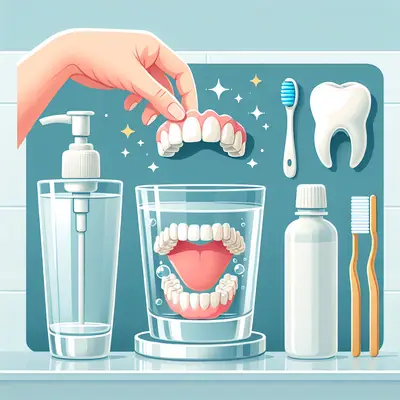
Begin by rinsing your dentures under lukewarm (never hot) water to remove surface debris. Then, use a denture-specific brush with soft, densely packed bristles and a non-abrasive denture cleanser—not regular toothpaste, which can create microscopic scratches. Work methodically from one side to the other, paying attention to the junctions where acrylic meets any metal clasps, as biofilm tends to collect there first.
Finish by carefully cleaning the internal, tissue-touching surface. This area is often neglected, yet it is critical for both comfort and oral health. A thorough, but gentle approach each evening prevents the gradual buildup that later requires harsh intervention, protecting both the material integrity and the refined finish of your prosthesis.
Mastering Moisture: The Understated Science of Overnight Soaking
Not all soaking habits are equally protective. Denture acrylic needs a specific balance of moisture to retain its shape and remain comfortable against oral tissues. Allowing dentures to dry out, even occasionally, can contribute to subtle warping and surface changes over time.
Choose an overnight denture solution recommended by your dentist or formulated by a reputable brand, and always follow the manufacturer’s timing directions; longer is not always better. If you are sensitive to standard cleansers, consider alternating between an antimicrobial denture soak on some nights and plain water on others, as advised by your dental professional.
Equally important is the container itself. Use a dedicated, lidded case that shields your dentures from accidental knocks and environmental contaminants. Replace the case periodically—residual film and moisture can harbor bacteria if it is never refreshed. This thoughtful approach to moisture management helps preserve both fit and comfort, reducing the likelihood of morning irritation or subtle shifts you can’t quite explain.
Curating a Gentle Landscape: Caring for Gums, Palate, and Supporting Tissues
Exceptional denture maintenance extends well beyond the appliance. Your gums, palate, and underlying bone are the foundation on which your dentures rest, and their condition directly influences stability and comfort.
Each night after removing your dentures, give your mouth a few minutes of considered attention. With a soft toothbrush or a microfiber oral cloth, gently massage your gums, palate, and tongue. This simple act supports circulation, helps clear away residual plaque and cleanser, and encourages healthier tissue tone. For many, a mild, non-alcohol, fluoride-containing mouthrinse (if appropriate for your situation) can offer a fresh, clean finish without creating dryness.
If you notice persistent redness, sore spots, or a “shiny,” inflamed appearance on the tissue surfaces where the denture rests, consider this an early cue rather than a minor inconvenience. Timely evaluation can prevent small pressure points from becoming chronic irritation or infection. By treating the supporting tissues with the same respect as the prosthesis itself, you preserve the comfort and composure that distinguish a truly well-managed smile.
Precision in Products: Selecting Tools That Protect, Not Diminish
The tools you surround yourself with shape the long-term elegance of your dentures. Small choices—brush texture, cleansing formulas, even the towels you use—can collectively safeguard the subtle aesthetics of your prosthesis.
Opt for:
- A dedicated denture brush with soft, non-fraying bristles and a grip that allows controlled, unhurried movements.
- Non-abrasive cleansers specifically marked for dentures or removable prosthetics; avoid whitening toothpastes, baking soda pastes, or household cleaners.
- A padded, stable cleaning surface, such as a folded towel at the sink or a bowl partially filled with water beneath your hands. This quiet safeguard protects against chips or fractures should the denture slip mid-clean.
- A separate, soft toothbrush exclusively for natural teeth, implants, or attachments, so you do not cross-contaminate or inadvertently scratch any surface.
Refined maintenance is as much about what you avoid as what you add. Steering clear of harsh agents, bleach-based products, or overly hot water preserves the denture’s color, translucency, and structural integrity, ensuring it continues to complement your overall presentation rather than detract from it.
Scheduled Refinement: Embracing Professional Care as Part of Your Routine
Even the most meticulous at-home care has its limits. Over time, the contours of your mouth change—bone resorbs, soft tissues shift, and the once-perfect fit can gradually soften. Recognizing professional maintenance as an expected part of your denture journey, rather than as a reactive fix, elevates your overall experience.
Plan regular reviews with your dentist or prosthodontist, even if everything feels “acceptable.” These visits allow for:
- Professional cleaning to gently remove microscopic calculus and stains beyond what daily care can achieve.
- Assessment of fit and function, including bite balance, speech nuances, and areas of subtle friction.
- Relines or adjustments to adapt your denture to evolving anatomy, restoring stability and comfort.
- Early detection of conditions such as denture stomatitis, fungal overgrowth, or pressure sores, long before they compromise your comfort or confidence.
Think of these appointments as your denture’s equivalent of fine tailoring: small, precise adjustments that maintain a seamless, natural presence. Rather than waiting for noticeable discomfort or slippage, proactively scheduling care ensures your dentures continue to support your lifestyle with quiet reliability.
Conclusion
An impeccably maintained denture is never an accident. It is the result of deliberate, almost understated choices—how you clean, how you store, how you care for the tissues beneath, what products you favor, and how consistently you seek expert refinement.
By approaching these elements as part of a considered personal standard, your dentures cease to feel like a mere replacement for natural teeth and instead become a well-integrated, polished extension of your presence. In that space—where comfort, aesthetics, and attentive care intersect—your smile can truly reflect the poise with which you live the rest of your life.
Sources
- American Dental Association – Dentures – Overview of denture types, cleaning guidance, and professional care recommendations
- Mayo Clinic – Dentures: Common Questions – Answers on fit, maintenance, and when to see a dentist for adjustments
- Cleveland Clinic – Dentures: Uses, Types & Care – Detailed explanation of daily cleaning, soaking practices, and long-term upkeep
- Colgate Oral Care Center – How to Care for Your Dentures – Practical advice on cleaning tools, products, and protecting oral tissues
- National Institutes of Health (NIH) – Denture Stomatitis Review (PMC) – Clinical insight into tissue health, fungal overgrowth, and preventive strategies for denture wearers
Key Takeaway
The most important thing to remember from this article is that this information can change how you think about Maintenance Tips.